Jean-Pierre Senet - The Recent Advance in Phosgene Chemistry
Phosgenation of ethylene diamine type compounds is a well established method for the preparation of 2-imidazolidones (cyclic five membered ureas). The utility of this method is illustrated by the synthesis of a valuable intermediate (I) for D-biotine manufacture. We have developed an improved interfacial process which affords (I) in good yield and high purity as shown in scheme 213.
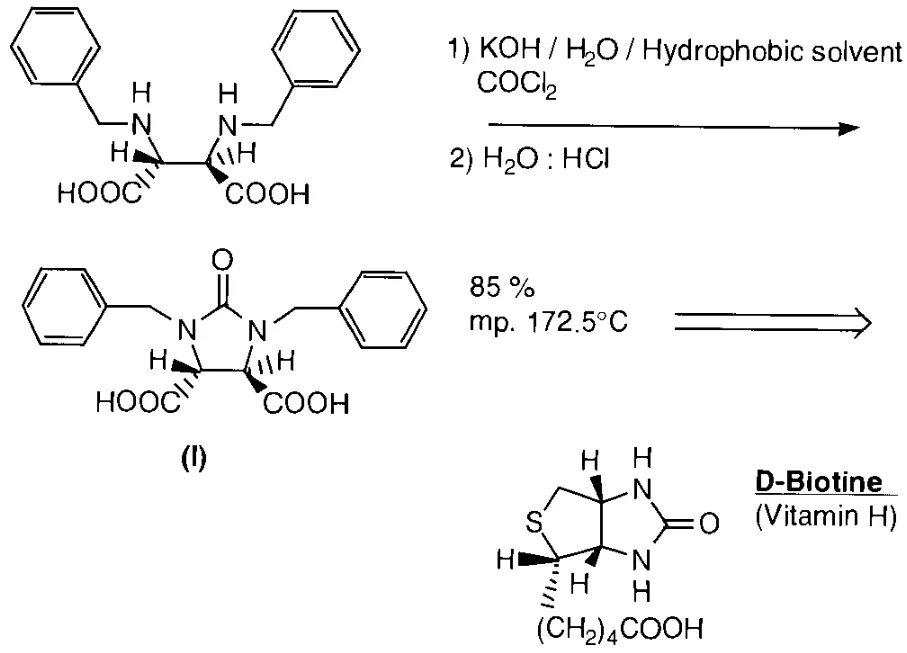
Scheme 213. Preparation of the key intermediate for the synthesis of Biotine.
Phosgene reacts with cyanohydrazines to yield 3-hydroxy-5-chloro-1,2,4-triazoles. The utility of the process is demonstrated by the preparation of the key intermediate for the production of the soil-applied nematocide Isazofos (Ref. 263). Thus, phosgenation of 1-cyano-1-isopropyl hydrazine in THF gives a transient N-chlorocarbonyl compound (II) which is cyclized to (III). This salt, insoluble in THF is recovered by filtration and the desired product (IV) is isolated in good yield by simple acidification as depicted in scheme 214.
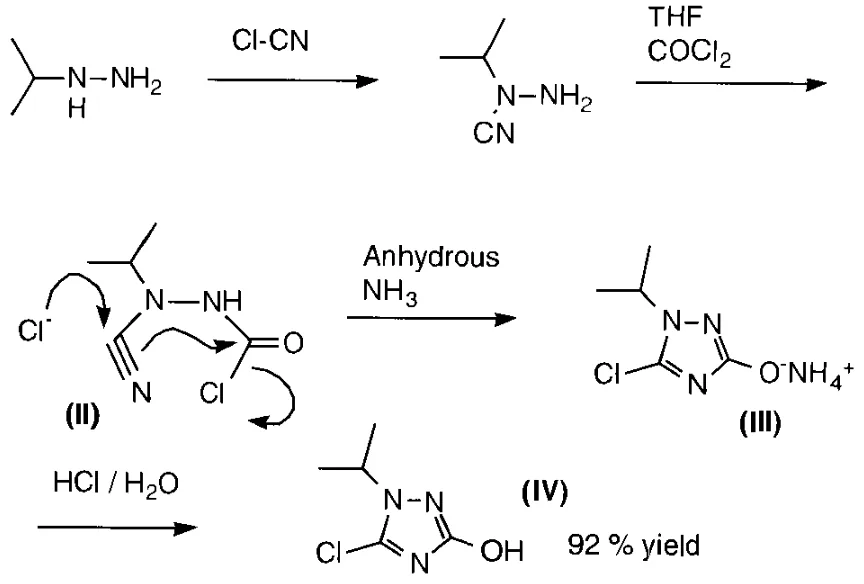
Scheme 214. Described process for the preparation of a intermediate used for the manufacture of Isazofos.
While exploring the synthesis and chemistry of urazoles, we studied an alternative process starting from carbazate which avoids the handling of the extremely noxious cyanogen chloride. The new synthesis of (IV) is diagrammed in scheme 215 (Ref. 264).
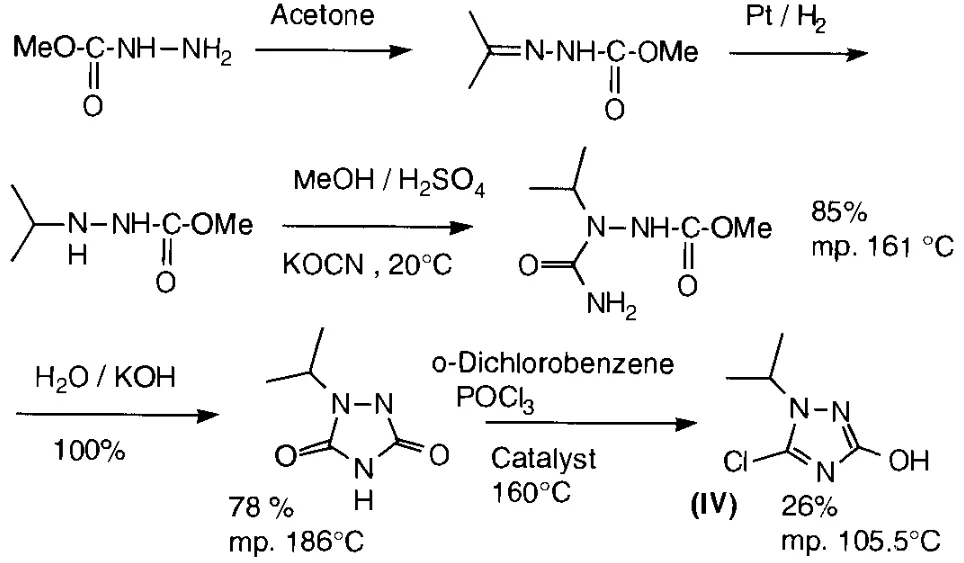
Scheme 215. Synthesis and use of 1-isopropyl urazole.
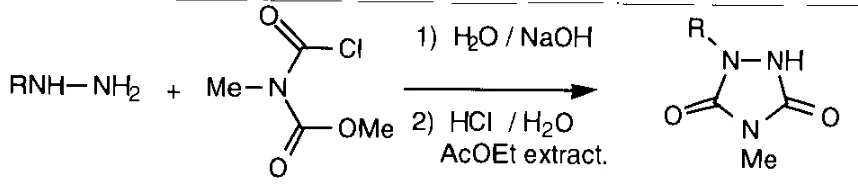
Note also that reaction of methyl-N-chlorocarbonyl-N-methyl carbamate (preparation through phogenation or phosgenation (in the editors’ view) given in section 3-3-4, this volume) is very suitable for the preparation of numerous urazoles. Some examples are presented in table 3-30 (Ref. 265).
Table 3-30. Use of methyl-N-chlorocarbonyl-N-methyl carbamate for the preparation of urazoles.
| R | Yield (%) | mp. (°C) |
|---|---|---|
| H | 56 | 238-9 |
| Me | 81.4 | 122-3 |
| Ph | 89.5 | 222-3 |
The biological activities of condensed pyrimidine systems as diuretics, antitumor agents or as antagonists of constituents of nucleic acid and of folic-folinic acid family of vitamins prompted differents or different (in the editors’ view) authors to study the synthesis of cyclic six membered acylureas such as pyrido[2,3-d] pyrimidinones (Ref. 266).
Reaction of phosgene with 1-amino nicotinic acid afforded the 3-azaisatoic anhydride (V). Treatment of (V) in DMF with propargylamine yielded the 1-aminonicotinamide (VI). Phosgenation of (VI) in pyridine under reflux gave the expected product (VII) as depicted in scheme 216.
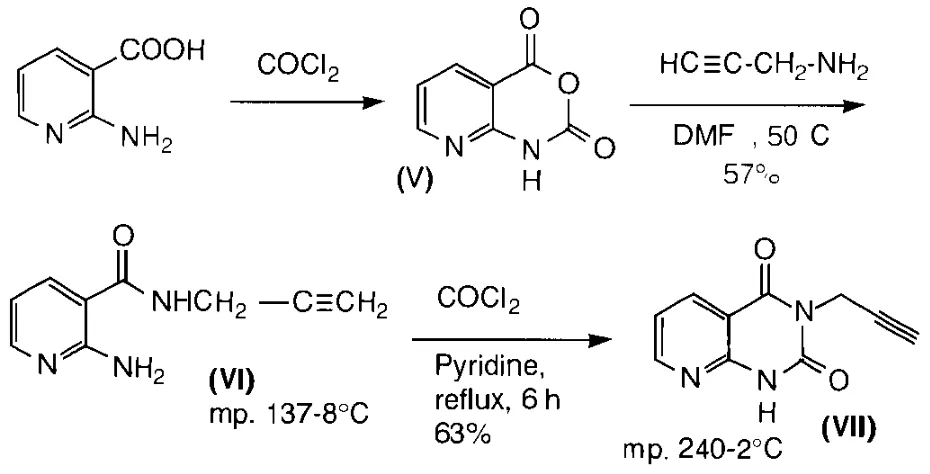
Scheme 216. Example of preparation of cyclic six membered acylureas through a « double phosgenation » process.
5-Ethyl-1,3,4-oxadiazolinone (VIII), prepared by phosgenation of propionyl hydrazide as already described in section 3-4-2, is a key building block for the synthesis for the synthesis of 1,2,4-triazol-3-ones type antidepressants (Ref 255).
Thus, we obtained the triazolone (IX) in 73 % overall yield according to scheme 217 without the need of the highly toxic ethyl isocyanate. (IX) is suitable for the manufacture of Etoperidone [Stucture or Structure (in the editors’ view) given in scheme 218] (Ref. 267).
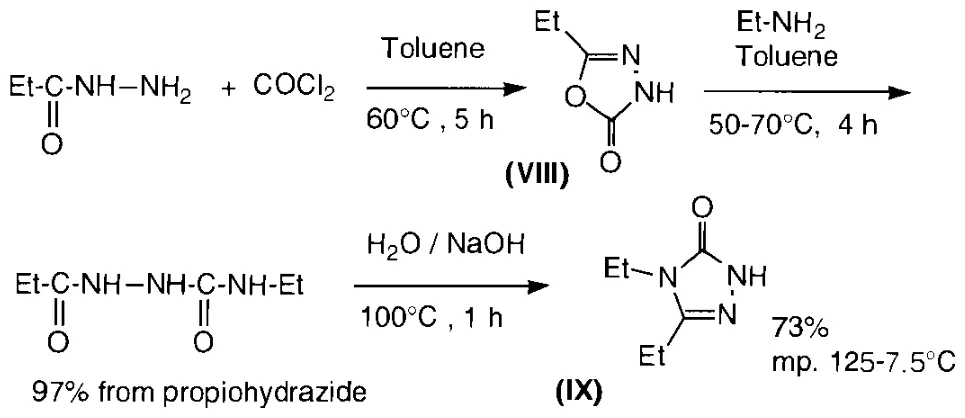
Scheme 217. Preparation of the key intermediate for the manufacture of Etoperidone.
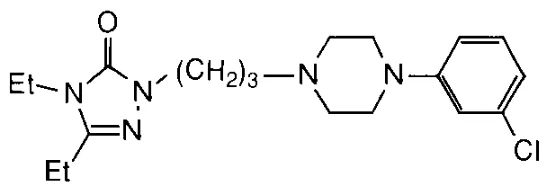
Scheme 218. Etoperidone (anti-depressant).
In another study, we devised a new route to the triazolone intermediate (X) useful for the synthesis of Nefazodone as depicted in scheme 219 (Ref. 255, 268).
Nefazodone.HCl was launched in 1994 in the US and in Canada by Bristol-Meyers Squibb as Serzone® for the treatment of depression (Ref. 269).
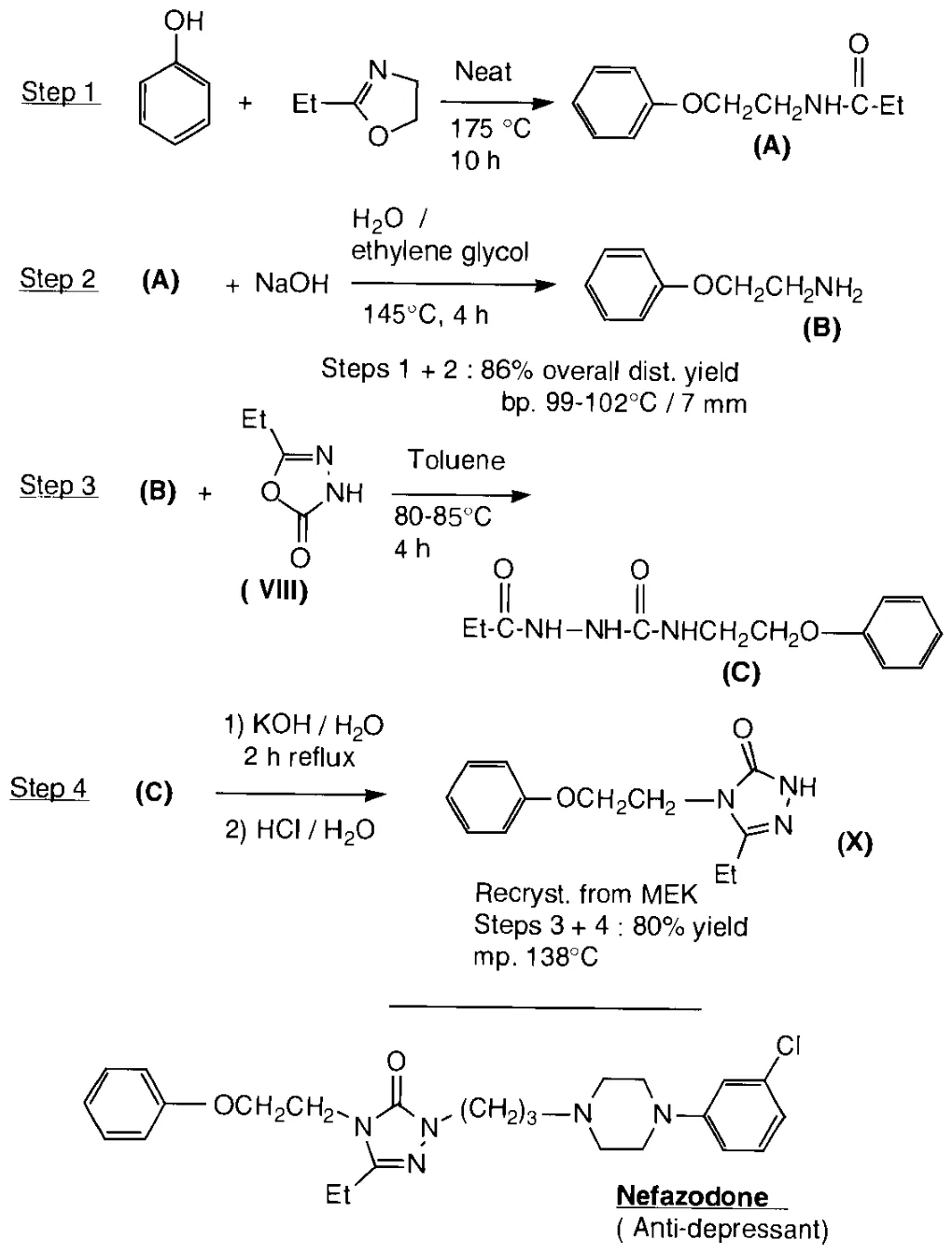
Scheme 219. New synthesis of an useful intermediate (X) for Nefazodone.
N-Methyl carbamates are valuable products, especially as pesticides, for example the insecticide Carbofuran, as well as numerous pharmaceuticals. Industrially, the reaction of methyl isocyanate with hydroxy compounds is by far one of the most widely utilized procedures for the production of numerous N-methyl carbamates.
The Bhopal incident (India, 1984) has dramatically outlined the high toxicity level of methyl isocyanate and moreover its very exothermic self-polymerization which requires extreme care during its production and storage (Ref. 270).
In this volume, we have already examined some alternatives to the synthesis in situ and/or to the use of methyl isocyanate. We thought that 1,3-dimethyl diazetidine dione (XII) (methyl isocyanate dimer) should be a suitable methyl isocyanate precursor which can release methyl isocyanate in safe conditions. This dimer was prepared from N-chlorocarbonyl-N-methyl N'-methyl urea (XI) obtained by phosgenation of N,N'-dimethyl urea as previously described in scheme 156, section 3-3-4. Cyclization of (XI) in a suitable solvent and in presence of a base such as DABCO afforded the expected dimer (XII) as depicted in scheme 220.
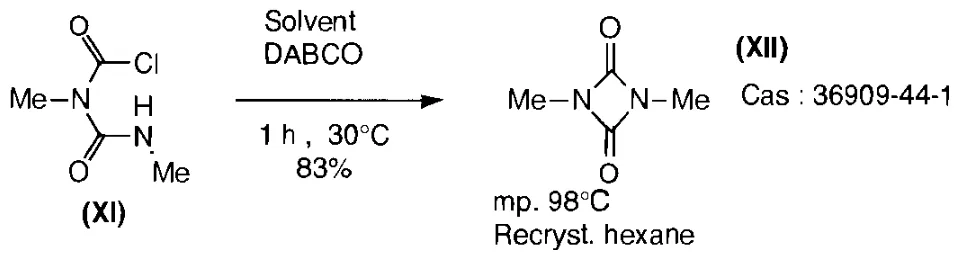
Scheme 220. Preparation of methyl isocyanate dimer.
The NMR and IR analytical data of (XII) are the following :
1H NMR (CDCl3) δ 2.87 ppm
IR 1780 cm-1.
This dimer was thermically (170°C) or catalytically decomposed to 100% methyl isocyante or isocyanate (in the editors’ view) as shown in scheme 221.
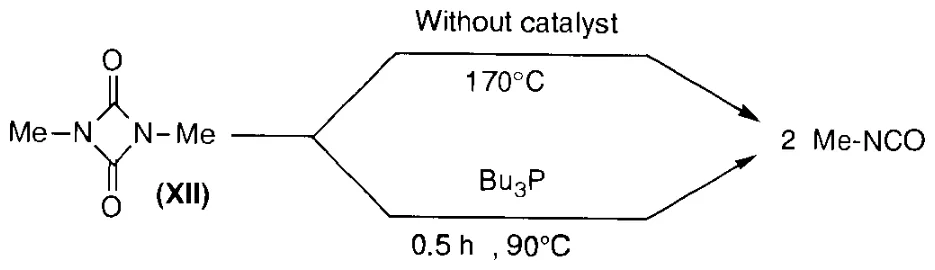
Scheme 221. Use of (XII) as methyl isocyanate generator.