Jean-Pierre Senet - The Recent Advance in Phosgene Chemistry
Phosgene reacts easily with amines containing a hydroxyl function in 2 or -3 position to afford oxazolidones (cyclic five membered carbamates) or oxazinones (cyclic six membered carbamates) respectively.
The preparation of 3-H-benzoxazol-2-one from o-aminophenol and urea is well known but the reaction is accompanied by the formation of tars and other side reactions. In contrast, phosgene reacts cleanly with o-aminophenol. We have devised a simple process without any acid scavenger which affords pure benzoxazolone in excellent yield as depicted in scheme 183 (Ref. 236).
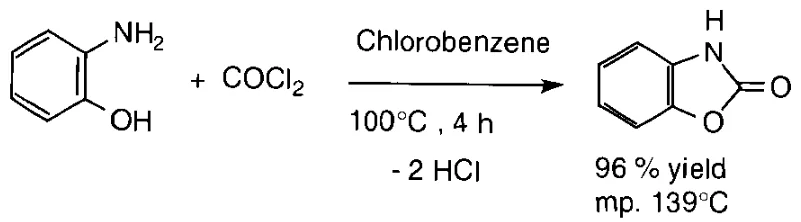
Scheme 183. Improved phosgenation process to benzoxazolone.
Benzoxazolone is a valuable compound for several applications, for example as a key starting material for the manufacture of Phosalone, an insecticide used mainly on cotton [Scheme 184].
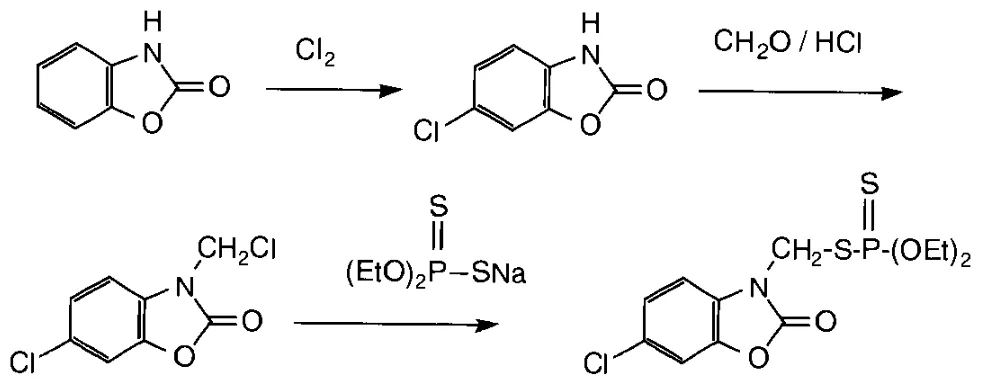
Scheme 184. Synthesis of Phosalone.
Some other interesting substituted benzoxazolones are also used as pharmaceuticals, for example the muscle relaxant Chlorzoxazone [Scheme 185] (Ref. 237).
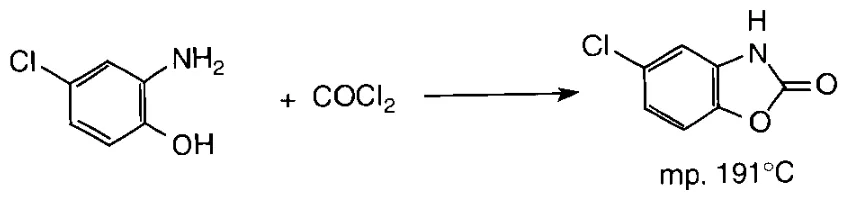
Scheme 185. Preparation of Chlorzoxazone (muscle relaxant).
Oxazolopyridines, such as the novel analgesic (III) now being in clinical trials, constitute a medicinal class of heterocyclic compounds. Phosgenation of 2-amino-3-hydroxy pyridine in the presence of pyridine as scavenger and solvent leads to the oxazolopyridine (I) in excellent yield as shown in scheme 186 (Ref. 238).
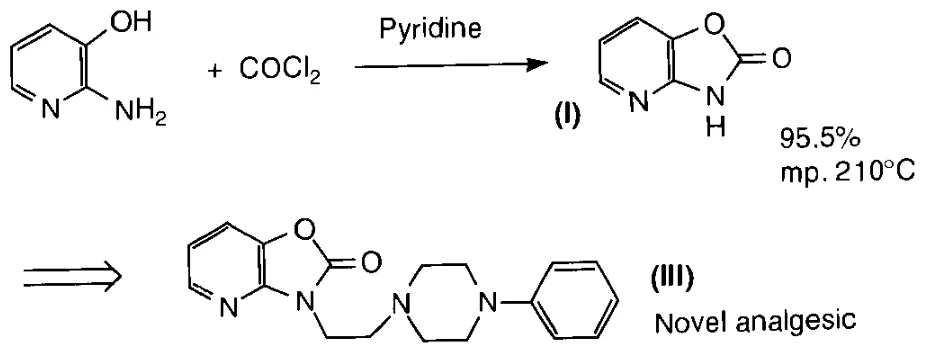
Scheme 186. Preparation and use of an oxazolopyridine.
The regioisomeric system (II) derived from the readily available 3-amino-2-pyridone is less easy to prepare. Guillaumet and coworkers reported the synthesis of (II) via a one-step process using diphosgene (Ref. 239). The reaction was carried out in CH2Cl2/THF mixture in presence of triethyl amine at -78°C, and the product isolated and purified by flash chromatography [Scheme 187].

Scheme 187. Preparation of oxazolo[5,4-b] pyridin-2 (1H)-one.
In aliphatic serie, we have developed the synthesis of N-(2-hydroxyethyl) oxazolidone (IV) at an industrial scale, according to the process depicted in scheme 188 (Ref. 240).
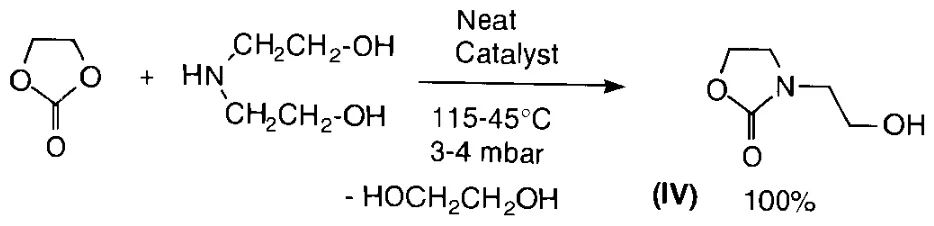
Scheme 188. Preparation of N-(2-hydroxyethyl) oxazolidone.
The substituted oxazolidone (IV) is especially useful as building block for acrylic monomers syntheses or for pharmaceuticals.
Thus, the esterification of (IV) by acrylic acid affords a new acrylic monomer, SNPE code number CL 959, in good yield as shown in scheme 189.
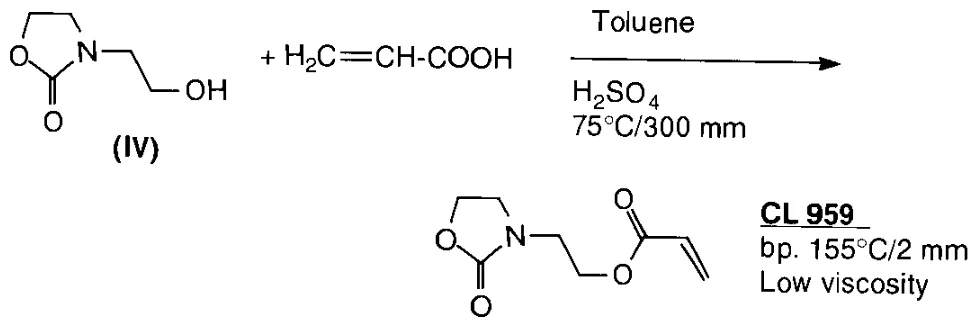
Scheme 189. Preparation of new UV-curable monomer from N-(2-hydroxy-ethyl) oxazolidone.
Acticryl CL 959 has widespread applications, mainly as reactive diluent in fast drying coatings (Ref. 241). It is useful in various industrial sectors for :
– classical coatings for wood, paper, plastics, metals ;
– adhesives, pressure sensitive adhesives ;
– optical fibers ;
– electronics, photo-resists.
N-(2-Hydroxyethyl) oxazolidone (IV) should be also a valuable intermediate for the synthesis of N-arylpiperazines which are widely used in the preparation of pharmaceuticals such as the neuroleptic Fluanisone.
Squibb reported an interesting example at the 207 th ACS National Meeting depicted in scheme 190 (Ref. 242).
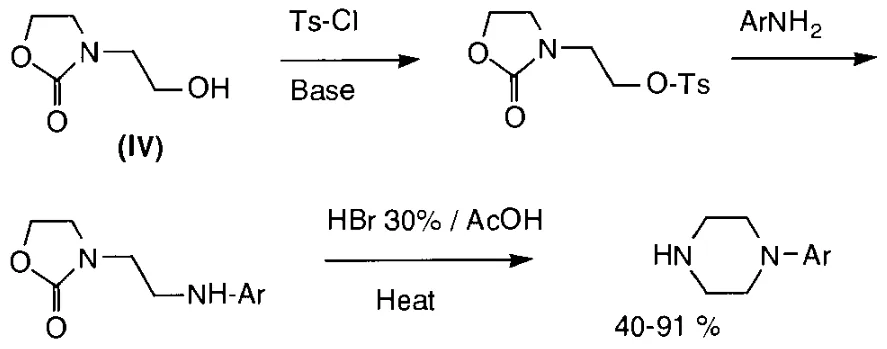
Scheme 190. Novel preparation of N-arylpiperazines.
Oxazolidones can be also prepared from the reaction of primary amines with 2-haloalkyl chloroformates. This method has found widespread applications in various sectors of the chemical industry. The industrial preparation process of the systemic fungicide Oxadixyl is a good first illustration [Scheme 191] (Ref. 243).
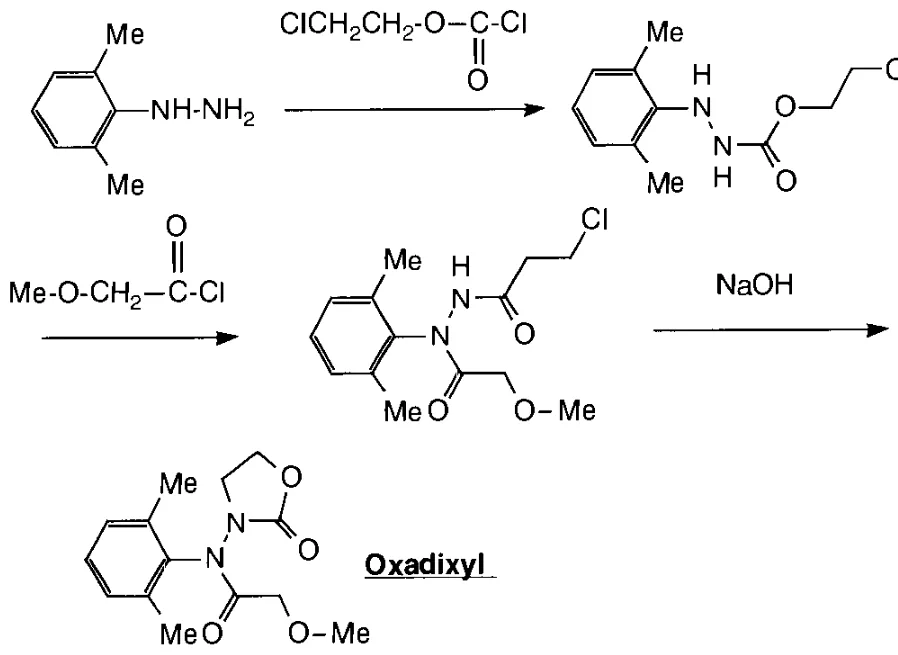
Scheme 191. Industrial scale preparation of the fungicide Oxadixyl.
The reaction of phosgene with amines containing an -OH function in 3-position readily affords oxazinones as already mentioned.
The preparation of the antidepressant Caroxazone depicted in scheme 192 illustrates the value of the method (Ref. 244).
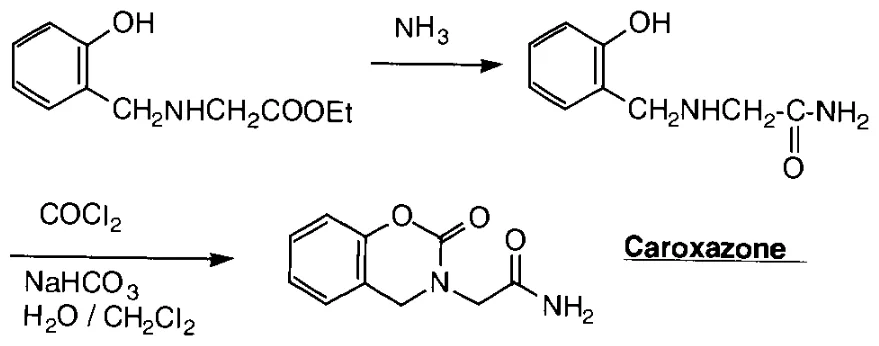
Scheme 192. Preparation of the antidepressant Caroxazone.
The intermediary synthesis of oxazinones derivatives is the key for the N-hydroxypropylation of substituted anilines used as components in hair dyes (Ref. 245, 246). One example is given in scheme 193.
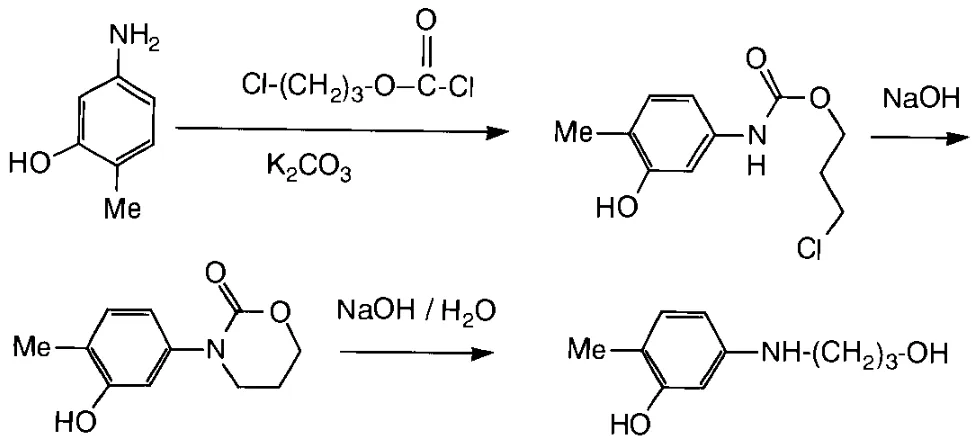
Scheme 193. Hydroxypropylation of substituted anilines for the preparation of hair dyes.
Phosgene reacts with α and β-amino acids to yield five and six membered O-acylcarbamates respectively.
Thus, phosgene has proven to be very effective in the preparation of N-carboxy anhydrides (NCA) from α-amino acids. These compounds : 2,5-dioxo-1,3-oxazolidines (V), also called Leuch's anhydrides have widespread applications especially but not only in peptides synthesis [Scheme 194].
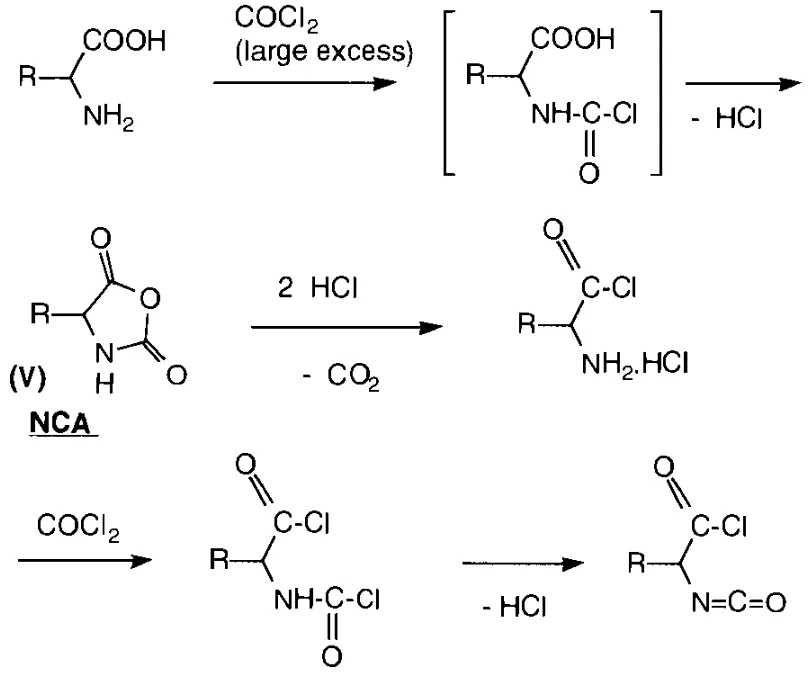
Scheme 194. General picture of N-carboxy anhydrides preparation and further reactions.
Although sensitive to traces of moisture and more generally to nucleophilic attacks, NCA are now produced and sold in large quantities. The scope and limitations of their chemistry, as well as their applications are not discussed in details here in this section and are reserved for section 4-4 in vol. 2 dedicated to the protection and activation of functional groups.
However, some representative examples of applications are given in the present section.
The NCA coupling method is conceptually simple and elegant. This method is now used in efficient large scale production of peptides, for example for the preparation of semi-synthetic dipeptides Enalapril and Lisinopril (Ref. 247). The synthesis of Ala-Pro which is the key building block to synthesize Enalapril is diagrammed in scheme 195.
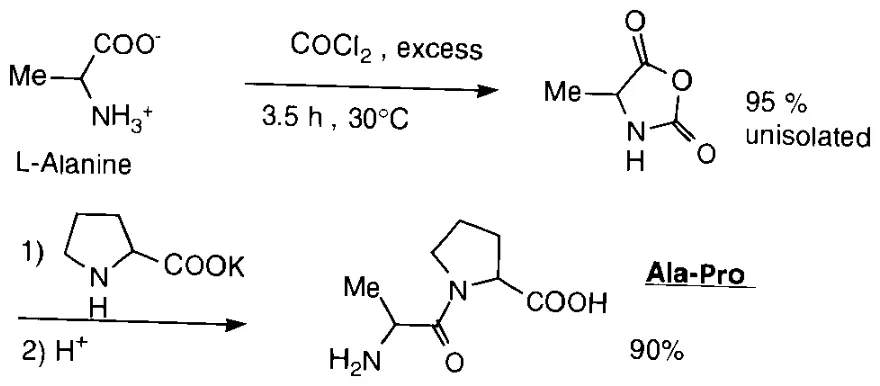
Scheme 195. Preparation of Ala-Pro through Ala-NCA.
Enalapril (structure in scheme 196) is an angiotensin-converting enzyme (ACE) inhibitor for the control of hypertension.
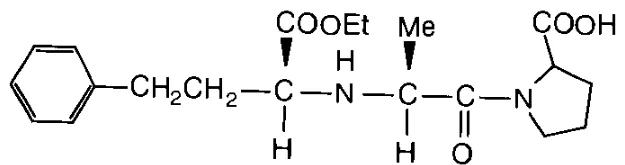
Scheme 196. Enalapril.
In another example, Sarcocine or Sarcosine (in the editors’ view)-NCA prepared by phosgenation of sarcosine, followed by cyclisation in the presence of triethyl amine is used for the preparation of lipopeptide-based branched polymers forming thermotropic and lyotropic liquid crystals as shown in scheme 197 (Ref. 248).
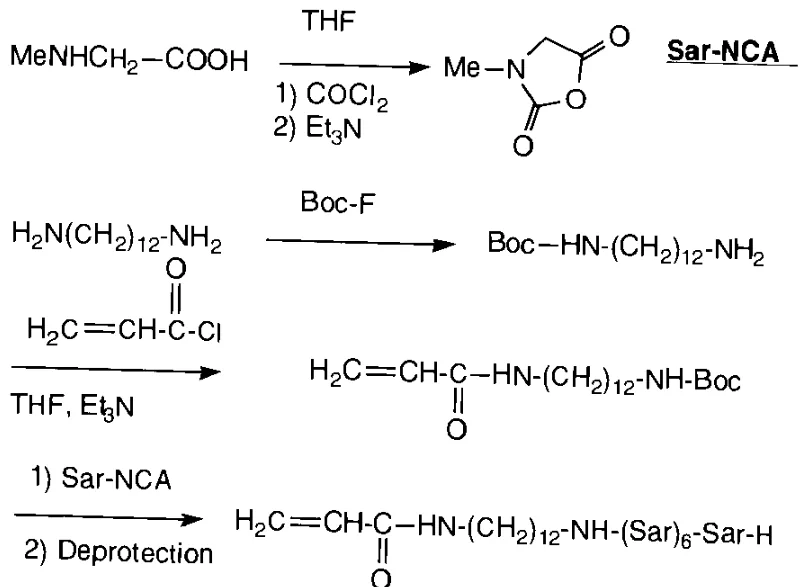
Scheme 197. Preparation of Sarcosine-NCA and use in the preparation of oligomers for lipopeptides.
This brief presentation outlines the utility of the NCA's. But this is only part of the picture. Added to this are urethane N-carboxy anhydrides called UNCA's we developed under license of Bioresearch Inc. (Ref. 249). UNCA's which are both protected and activated form of amino acids are highly effective coupling agents for the synthesis of peptides as illustrated in scheme 198.
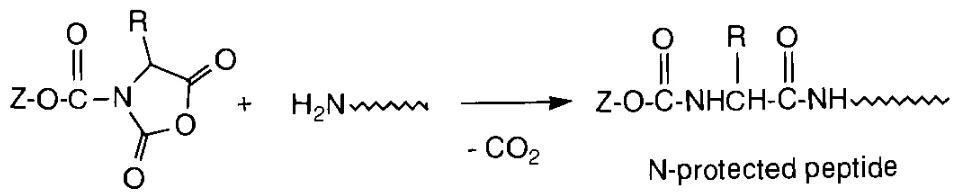
Scheme 198. Principle of use of UNCA's as coupling agents in peptides synthesis.
UNCA's are crystalline solids which are stable in the absence of water and nucleophiles. They react readily and cleanly with amino functions without racemization. Carbon dioxide is the only by-product which allows facile purification and isolation.
One example of synthesis of UNCA's is given in scheme 199.
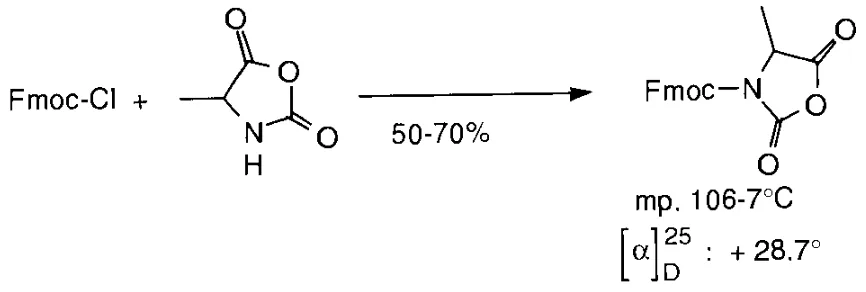
Scheme 199. Example of preparation of UNCA's.
Let us now consider to what extent the previous reaction of phosgene with α-amino acid can be applied to β-amino acids to yield six membered cyclic O-acyl carbamates.
2H-3,1-Benzoxazine-2,4(1H)-dione known as isatoic anhydride (VI) is the most popular six membered cyclic O-acyl carbamate. The synthesis of isatoic anhydride by ring closure of anthranilic acid with phosgene is well described (Ref. 250). However, we have developed an improved phosgenation process which leads to higher yield and purity as demonstrated in scheme 200 (Ref. 251).
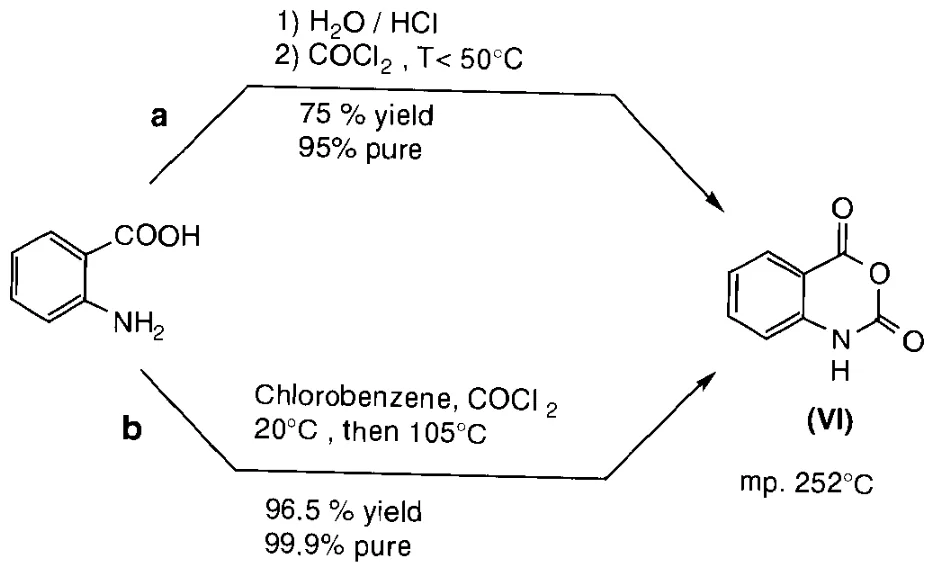
Scheme 200. Comparison between described (a) and SNPE (b) routes to isatoic anhydride.
Isatoic anhydride (VI) is an extremely versatile compound because of the ease of its reactions with nucleophiles or electrophiles as outlined in a rewiew or review (in the editors’ view) (Ref. 252).
For example it is claimed as a starting material in the synthesis of the analgesic Glafenine as shown in scheme 201 (Ref. 253).
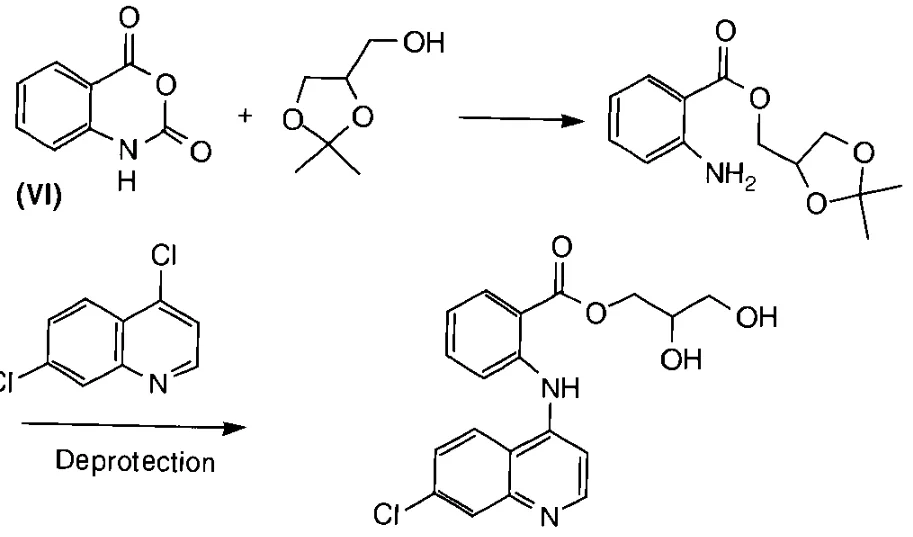
Scheme 201. Preparation of Glafenine.
Phosgene reacts with hydrazides to afford 1,3,4-oxadiazolinones. One well known example is the synthesis of the selective herbicide Oxadiazon from Rhône-Poulenc [Scheme 202] (Ref. 254).
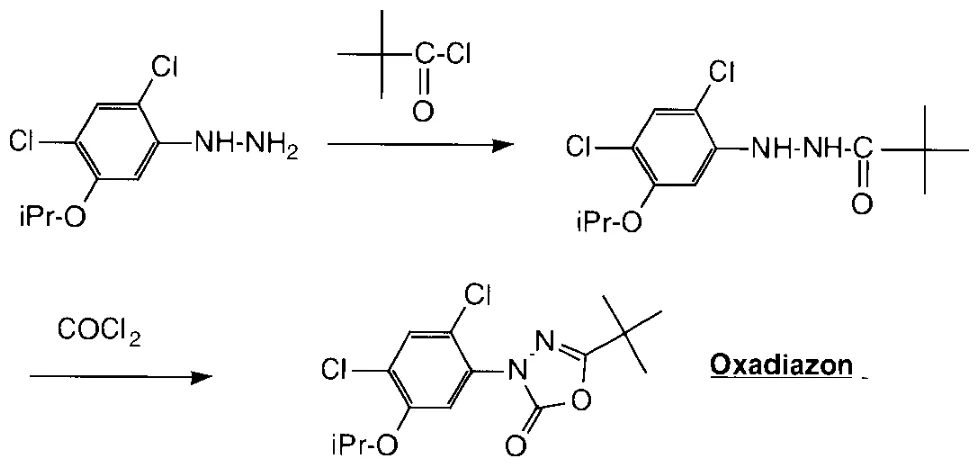
Scheme 202. Preparation of the herbicide Oxadiazon.
We have studied the preparation of 5-ethyl-1,3,4-oxadiazolinone (VII) by phosgenation of propionyl hydrazide as depicted in scheme 203 (Ref. 255).
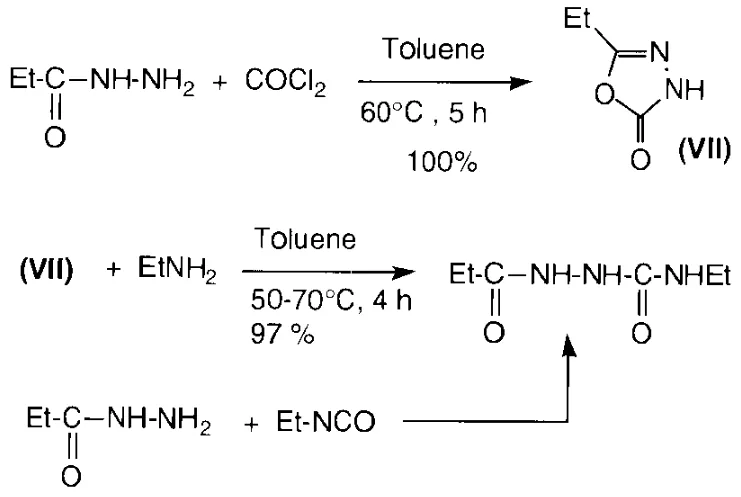
Scheme 203. Preparation and use of 5-ethyl-1,3,4-oxadiazolinone.
Compound (VII) can be further transformed to triazolones, useful building blocks for pharmaceuticals such as Etoperidone or Nefazodone (see cyclisation between two nitrogen atoms, next section). In the case of Etoperidone, this transfomation or transformation (in the editors’ view) avoids the use of toxic ethyl isocyanate to get the required intermediate as shown in scheme 203.
3,5-Dioxo-1,2,4-Oxadiazolidines have been found as a moiety of the natural excitatory amino acid Quisqualic acid and their synthesis by numerous methods has been extensively studied by Zinner and co-workers (Ref. 256). Reaction of methyl-N-chlorocarbonyl-N-methyl carbamate, (VIII), (preparation given in section 3-3-4, this volume) with hydroxylamine affords 3,5-dioxo-4-methyl-1,2,4-oxadiazolidine (Acronym : MODD) in good yield as shown in scheme 204 (Ref. 257).
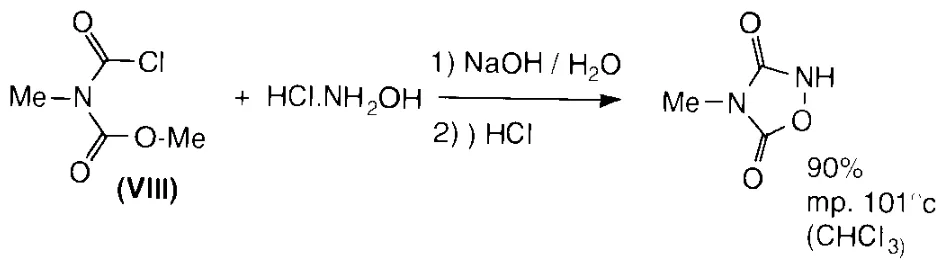
Scheme 204. Improved preparation of MODD.
While exploring new alternatives to the handle of lower alkyl isocyanates, we thought that the nitrosated MODD could be a good candidate for a new synthesis of methyl isocyanate through a two-components safe process according to the mechanism depicted in scheme 205 (Ref. 258).
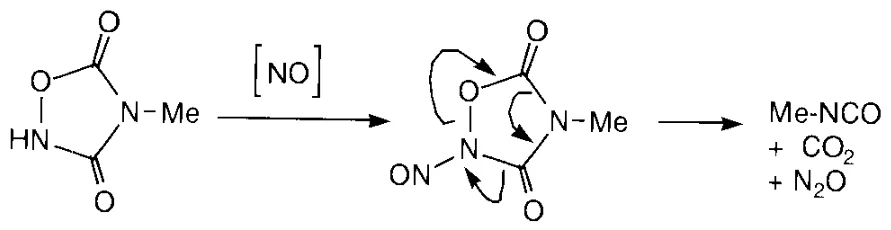
Scheme 205. Expected generation of methyl isocyanate by a two-components safe process.
Some trials applied to a model reaction by trapping the methyl isocyanate as butyl N-methyl carbamate were very promising as demonstrated in scheme 206.
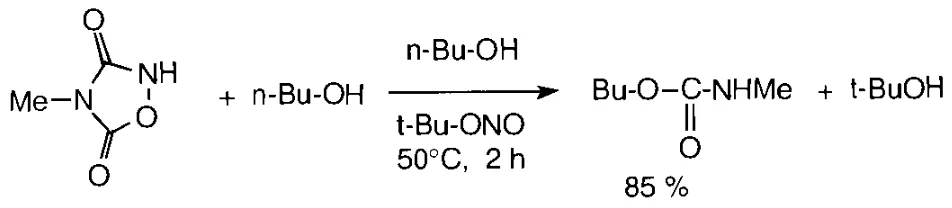
Scheme 206. Use of MODD/t-butyl nitrite as methyl isocyanate precursor.
Furthermore, while studying the potential applications of MODD as a building block for the synthesis of 2-acyl-3,5-dioxo-1,2,4-oxadiazolidines, we discovered that it is a very good leaving group. This led us to the design of the previously unknown symmetrical 2,2'-carbonyl-bis(3,5-dioxo-4-methyl-1,2,4-dioxazolidine or oxadiazolidine (in the editors’ view)), (acronym : COMODD), as a new coupling reagent for the preparation of carbamates from hydroxy compounds and primary or secondary amines (Ref. 259).
COMMOD or COMODD (in the editors’ view) was readily obtained in good yield by simple phosgenation of MODD in refluxing toluene in presence of hexamethylguanidinium chloride hydrochloride (HMGCl.HCl) as the catalyst [Scheme 207].
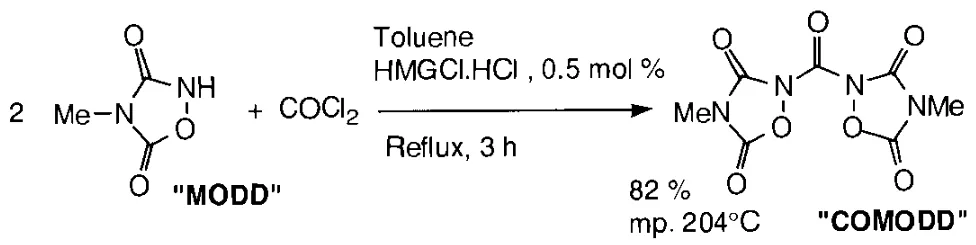
Scheme 207. Preparation of COMODD.
Compared with 1,1'-carbonyldiimidazole, COMODD is a crystalline, stable and non-hygroscopic compound. MODD released after use of COMODD as coupling reagent is water soluble and therefore can be easily recycled. Moreover, in contrast to imidazole, MODD is acidic (pKa measured at 20°C : 3.6). This characteristic can be very useful in the case of substrates sensitive to basic conditions.
MODD readily reacts with hydroxy compounds to afford 2-alkoxycarbonyl-MODD. These intermediates do not need to be isolated and are reacted with an excess of amine to give the corresponding carbamate in good yield as depicted in scheme 208 (Ref. 260). For example, the insecticide Aldicarbe was obtained in 85% yield without use of the noxious methyl isocyanate.
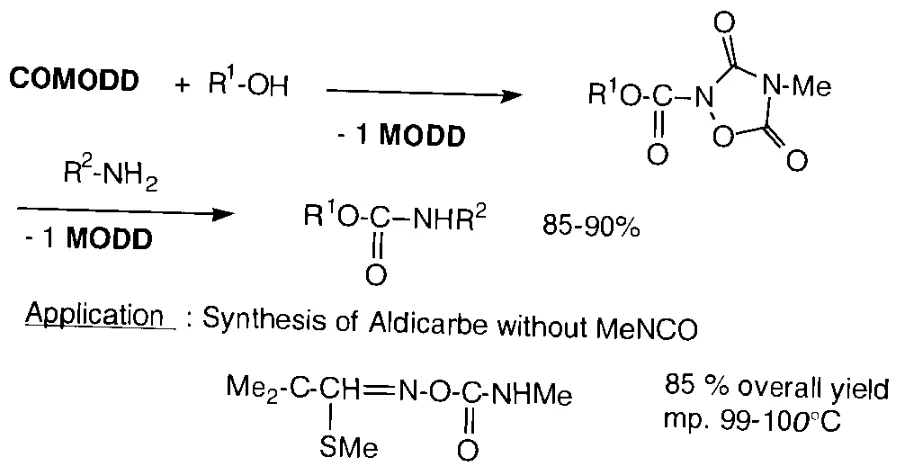
Scheme 208. COMODD as an useful tool for carbamates synthesis.
It is possible to prepare BOC- or Z-amino acids from the isolated 2-BOC- or 2-Z- MODD but the method was found of little synthetic interest mainly because of the sensitivity of 2-alkoxycarbonyl-MODD toward hydrolysis. However, Z-amino acids were obtained in medium yields and were found to be free of dipeptides impurities.
We discovered also that COMODD reacts with carboxylic acids to give the unstable mixed anhydrides (IX) which are rapidly decarboxylated to the 2-acyl-MODD (X). As above mentioned, (X) are not isolated but are reacted in situ with an amine to afford the corresponding amides as shown in scheme 209 (Ref. 260).
This reaction has been successfully applied to the coupling of amino acids. Yields are generally good and the dipeptides are easily freed of by-products by simple washes. The MODD released or its sodium salt are readily soluble in water and thus are easily separated from the fully protected dipeptide.
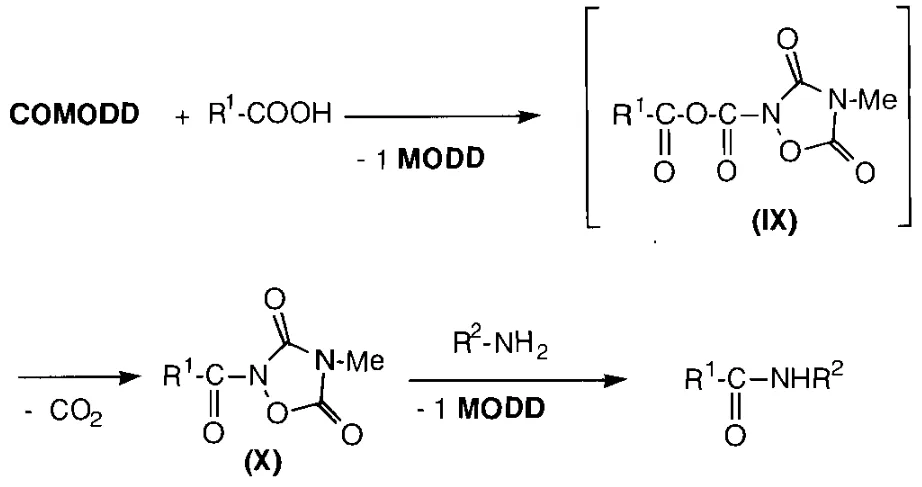
Scheme 209. COMODD as an useful tool for amides synthesis.
In a typical procedure, one equivalent of COMODD is added to a solution of the protected amino acid and N-methylmorpholine (2 eq.) in acetonitrile or dichloromethane and stirred at room temperature for 1 h. The amino acid ester or its hydrochloride is then added and the reaction mixture is stirred for an additionnal or additional (in the editors’ view) hour. After conventional washes of the organic phase, the dipeptide is crystallized from a suitable solvent. As shown in table 3-29, several dipeptides were prepared and no deviations were found in their optical rotations.
Table 3-29. Preparation of dipeptides using COMODD as a coupling agent.
| Dipeptide | Yield (%) | mp. (°C) | [α]D° |
|---|---|---|---|
| BOC-Phe-Gly-OEt | 86 | 86-8 | -4 (c 1 EtOH) |
| Z-Val-Gly-OEt | 66 | 165-166 | -27 (c 1 EtOH) |
| Z-Leu-Phe-OMe | 74 | 80-81 | -20 (c 2 MeOH) |
| Z-Ala-Phe-OMe | 88 | 96-98 | -10 (c 1 EtOH) |
| Z-Phe-Ala-OMe | 83 | 127-129 | -22 (c 1.25 EtOH) |
| Bz-Leu-Gly-OEt | 78 | 137-139 | -4 (c 3.1 EtOH) |
| BOC-Tyr(OBzl)-Gly-OEt | 79 | 117-119 | +2 (c 0.5 EtOH) |
In a second publication, we reported the use of COMODD for the one-pot esterification of carboxylic acids, especially amino acids, under mild conditions (Ref. 261).
The reaction was efficient with both primary and secondary alcohols. Providing that an excess of the alcohol is added, tertiary alcohols are esterified in medium but still satisfactory yields. The reaction is catalyzed with DMAP, but no base was necessary if the alcohol already contained a pyridine function. We assume that the reaction proceeds through the mixed anhydride (IX) as depicted in scheme 210.
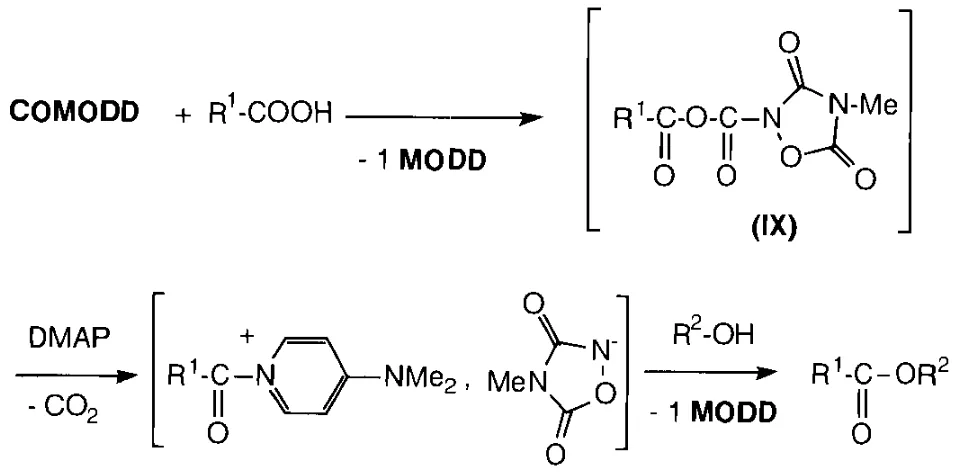
Scheme 210. COMODD as a reagent for the direct esterification of carboxylic acids.
In a typical procedure, COMODD (1 eq.) and the appropriate alcohol (1.1 eq.) are added within 5 min. to a solution of the acid (1 eq.), triethylamine (1,1 eq.) and DMAP (0.1 eq.) in dichloromethane and the reaction mixture is stirred at room temperature for 2 h. Conventional acidic and basic washes afford the corresponding ester in good yield. For example esterification of Z-Ala-OH with p-nitrobenzylic alcohol using this method gave the expected ester in 89% yield (mp. 95-96°C). No sign of racemization was detected in the syntheses of amino esters examined.
Acyl-MODD (X), provided by activation of N-protected-α-amino acids and O-protected-α-hydroxy acids with COMODD have been proved to be suitable for the synthesis of β-keto ester as depicted in scheme 211 (Ref. 262).
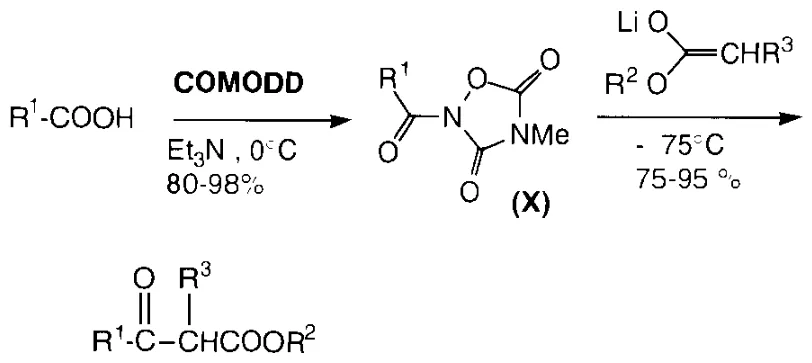
Scheme 211. Use of COMODD in the synthesis of β-keto esters.
This activation was successfully used in the preparation of unusual γ-amino-β-hydroxy esters such as the protected derivative of (3S4R5S)-Isostatine from D-allo-isoleucine as shown in scheme 212 (Ref. 262).
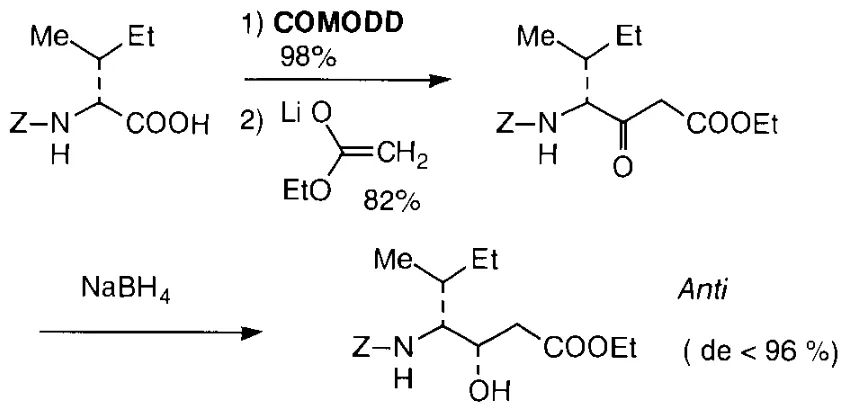
Scheme 212. Preparation of (3S4R5S) Isostatine with COMODD.