Jean-Pierre Senet - The Recent Advance in Phosgene Chemistry
Although ethylene carbonate can be easily made by phosgenation of ethylene glycol, the only industrial process is the carbonatation of ethylene oxide [Scheme 167].
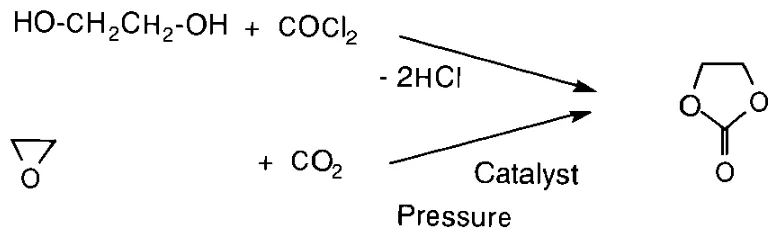
Scheme 167. Preparation of ethylene carbonate.
However, the phosgenation process has much more value in less simple products. We previously have treated in section 3-2-2-1 the reaction of excess phosgene with glycerol which affords a monochloroformate containing a five membered cyclic carbonate function.
The phosgenation of catechol is of high interest, because the resulting o-phenylene carbonate is the key starting material for the preparation of the insecticide Propoxur as shown in scheme 168.
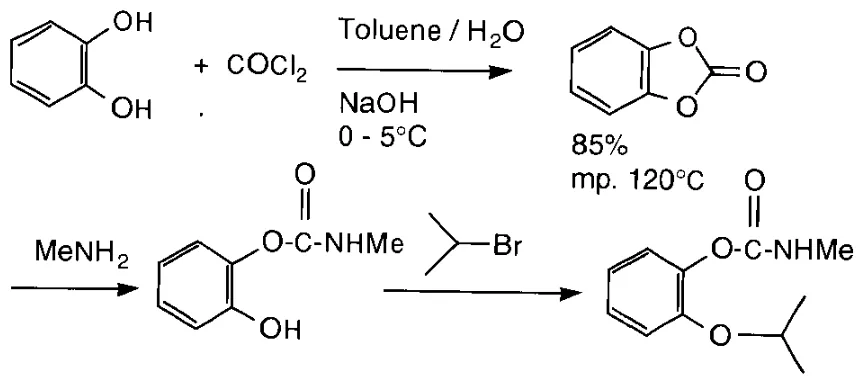
Scheme 168. Preparation of the insecticide Propoxur.
Phosgenation of 2,3-butane diol presents a high potential value in the pharmaceutical field. The cyclic carbonate thus obtained can be photochemically chlorinated to give a vinylene carbonate (I) as depicted in scheme 169 (Ref. 222).
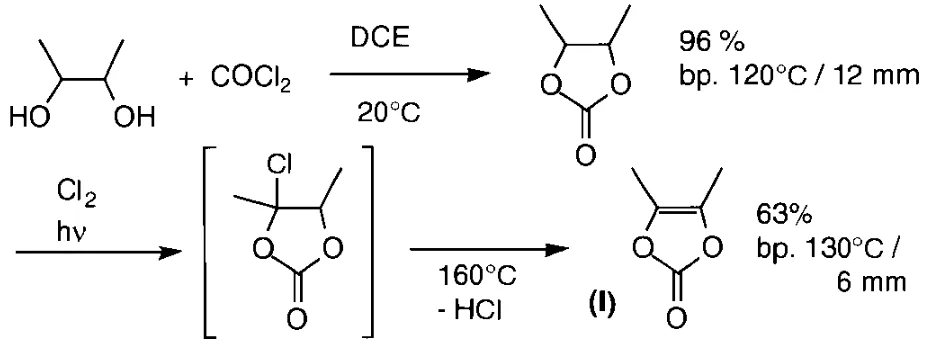
Scheme 169. Preparation of vinylene carbonate derived from 2,3-butane diol.
The substituted vinylene carbonate (I) can be used for the preparation through chlorination and dehydrochlorination of the intermediate (II) which is the key reagent for the production of Lenampicillin [Scheme 170].
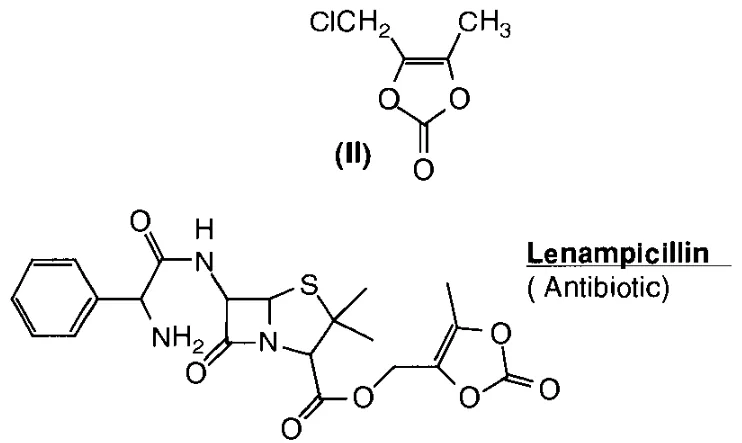
Scheme 170. Substituted vinylene carbonate for the modification of antibiotics.
(II) is also used in the synthesis of Cefcanel, a new cephalosporin from Kyoto Yakuhin and Astra (Ref. 223).
It is noteworthy that the vinylene carbonate (I) in scheme 169 can be obtained by phosgenation of acetoin as depicted in scheme 171 (Ref. 224).
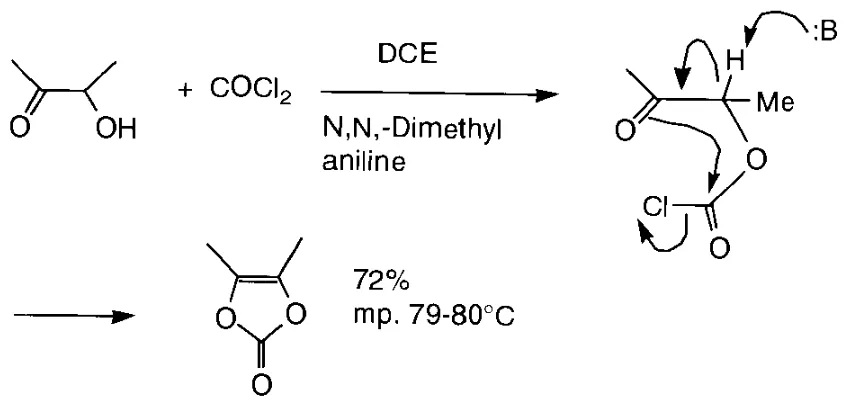
Scheme 171. Phosgenation of acetoin.
King Jr reported a facile synthesis of chlorinated dioxolanones by a simple, one-pot, direct addition of phosgene to 1,2-diones (Ref. 225). Thus, the reaction of 2,3-butane dione with phosgene in the presence of pyridine affords trans-4,5-dichloro-4,5-dimethyl-1,3-dioxolane-2-one in 82% yield as shown in scheme 172.
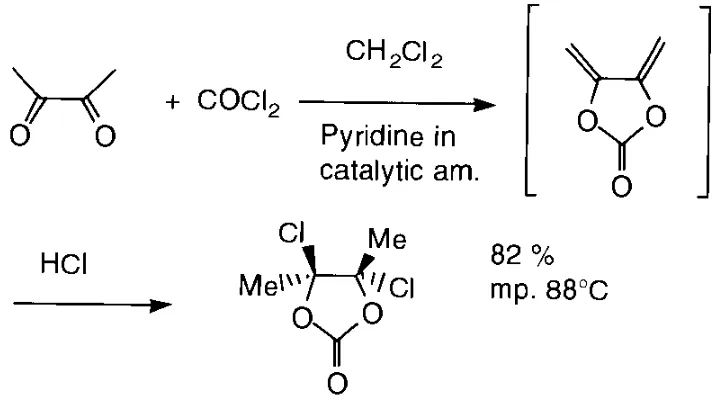
Scheme 172. Phosgenation of 2,3-butane dione.
In an obscure paper, Pews reported the formation of bromomethyl ethylene carbonate through an unusual thermal rearrangement of 2,3-dibromopropyl ethyl carbonate (Ref. 226). We studied the scope and limitations of this reaction and defined the best conditions of the process as shown in scheme 173.
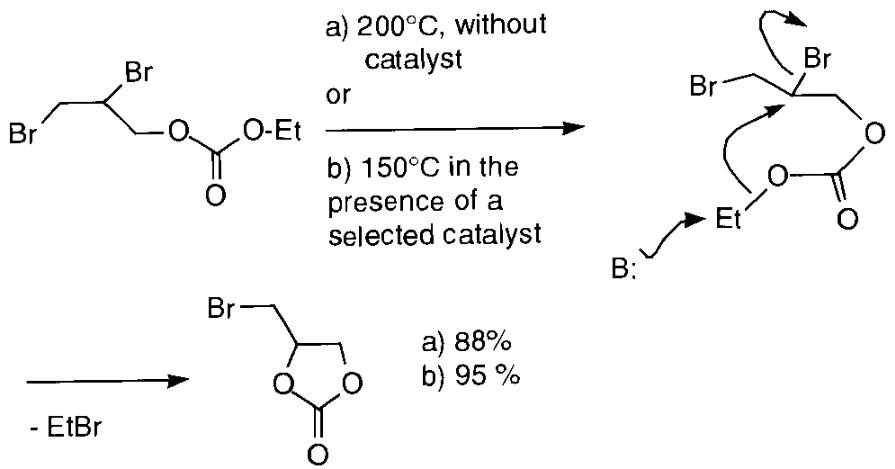
Scheme 173. Unusual access route to substituted ethylene carbonate.
Chlorinated derivatives of ethylene carbonate itself are very interesting and valuable compounds.
When ethylene carbonate is monochlorinated, the chloroethylene carbonate thus obtained is the starting material for the synthesis of vinylene carbonate which is used in radical polymerization to yield high-molecular weight polymers and copolymers or in Diels-Alder cycloadditions [Scheme 174] (Ref. 227).
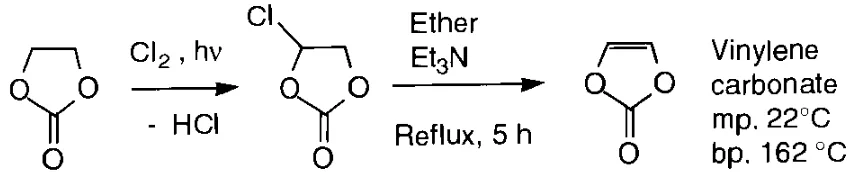
Scheme 174. Preparation of vinylene carbonate.
When ethylene carbonate is partly chlorinated, the two dichlorinated products (III) and (IV) formed cannot be separated by distillation and an 85:15 mixture of (III) : (IV) only is available commercially.
We discovered that (IV) cleanly decomposes to chloracetyl or chloroacetyl (in the editors’ view) chloride in presence of « naked chloride anion ». This method which destroys preferentially (IV) allows to recover (III) in 92 % yield by subsequent fractional distillation [Scheme 175].
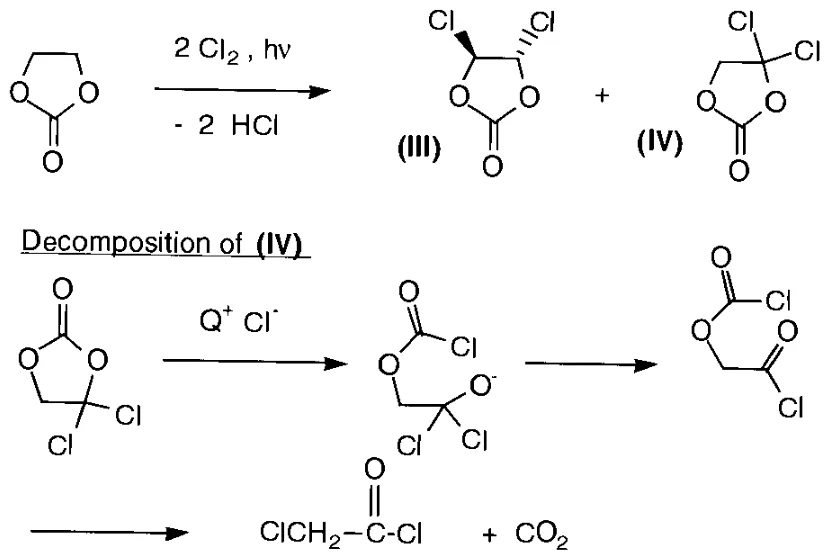
Scheme 175. Preparation of pure dichloro ethylene carbonate (III).
(III) was claimed as the key for the synthesis of novel explosives as shown in scheme 176 (Ref. 228).
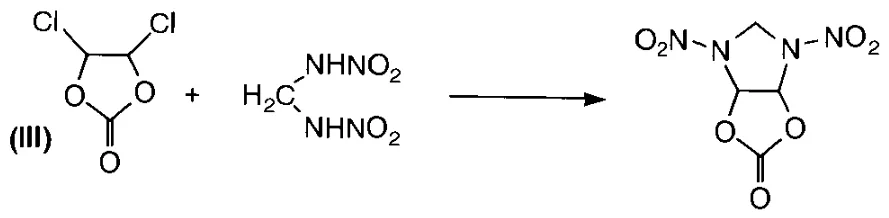
Scheme 176. Novel explosive from dichloro ethylene carbonate.
Photochemical perchlorination of ethylene carbonate affords tetrachloroethylene carbonate (V) in high yield (Ref. 229). When (V) is treated with a trace of a nucleophile, it cleaves quantitatively to oxalyl chloride and phosgene [Scheme 177] (Ref. 230).
This decomposition is today's standard process for the manufacture of oxalyl chloride.
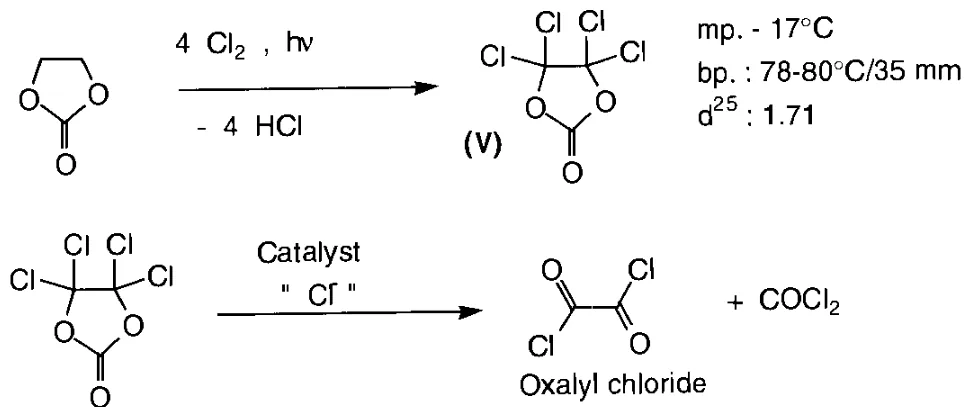
Scheme 177. Preparation of tetrachloroethylene carbonate and its decomposition to oxalyl chloride and phosgene.
While studying the catalyzed decomposition of tetrachloroethylene carbonate (V) by onium salts, we observed the formation of a little trichloroacetyl chloride. Since (V) present three reactive electrophilic centers : the carbonyl group and the two carbon both linked with two chlorine atoms, it can be attacked following two different pathways as diagrammed in scheme 178.
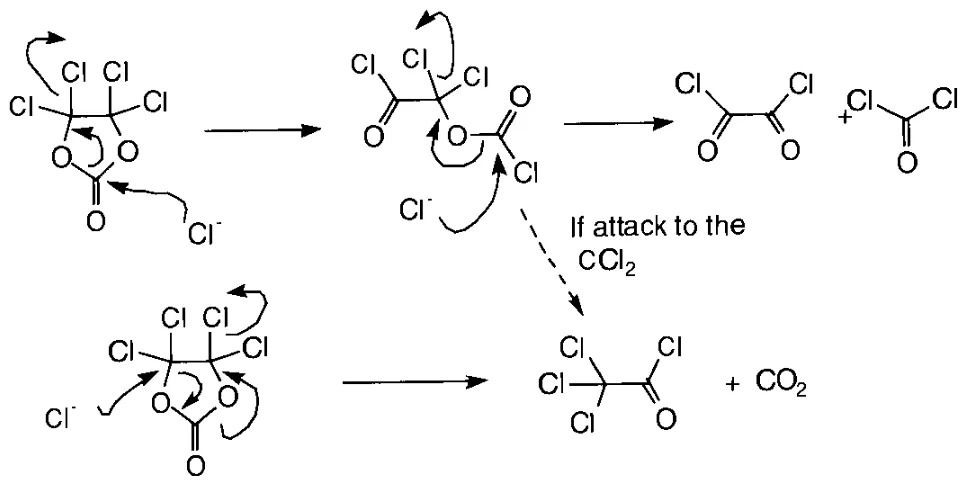
Scheme 178. Possible types of nucleophilic attacks to tetrachloroethylene carbonate by Cl−.
We thought that if a catalyst for directing cleanly the reaction either to the formation of oxalyl chloride or to trichloroacetyl chloride could be devised, the ready availability of (V) would seem to make this compound a very attactive or attractive (in the editors’ view) intermediate. This work is currently under investigation.
Also, we discovered that tetrachloroethylene carbonate can be used as a highly effective chlorinating agent for acid chlorides preparation as depicted in scheme 179 (Ref. 231).
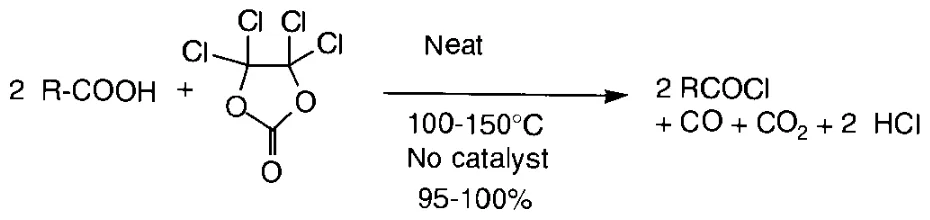
Scheme 179. Preparation of acid chlorides using tetrachloroethylene carbonate.
The main issue under discussion is how this reaction can work without any catalyst. In contrast to oxalyl chloride, phosgene requires a catalyst to convert carboxylic acid to acid chloride. Thus, the above reaction would give acid chloride in no more than 50% yield.
Furthermore, we studied the described dechlorination of tetrachloroethylene carbonate (V) to dichlorovinylene carbonate (VI) with zinc (Ref. 229). (VI) is an interesting intermediate which as a cyclophile permits simultaneous introduction of masked α-hydroxy keto and α-diketo functions respectively into the cycloadducts (Ref. 232). One example is given in scheme 180.
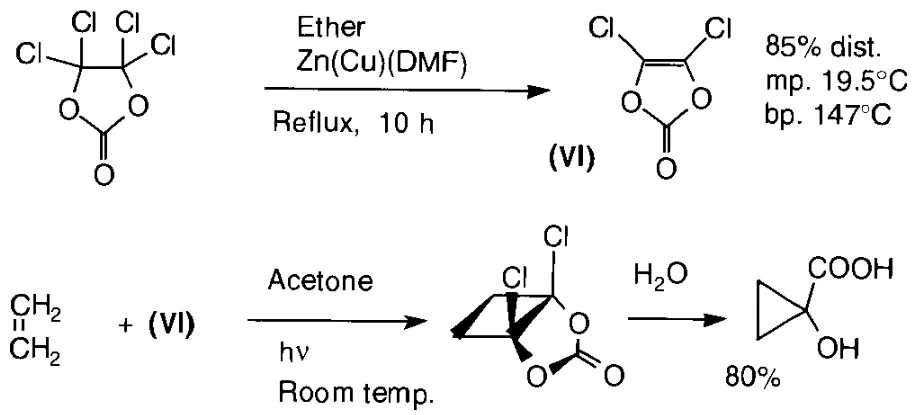
Scheme 180. Synthesis and example of use of dichlorovinylene carbonate.
Phosgenation of hydroxamic acids affords nitrile carbonates which has been suugested or suggested (in the editors’ view) as isocyanates precursors (Ref. 233).
One demonstrative example applied to the synthesis of isopropenyl isocyanate is given in scheme 181 (Ref. 234). Note that the use of a catalyst such as ferric salts permits to lower the required decomposition temperature.
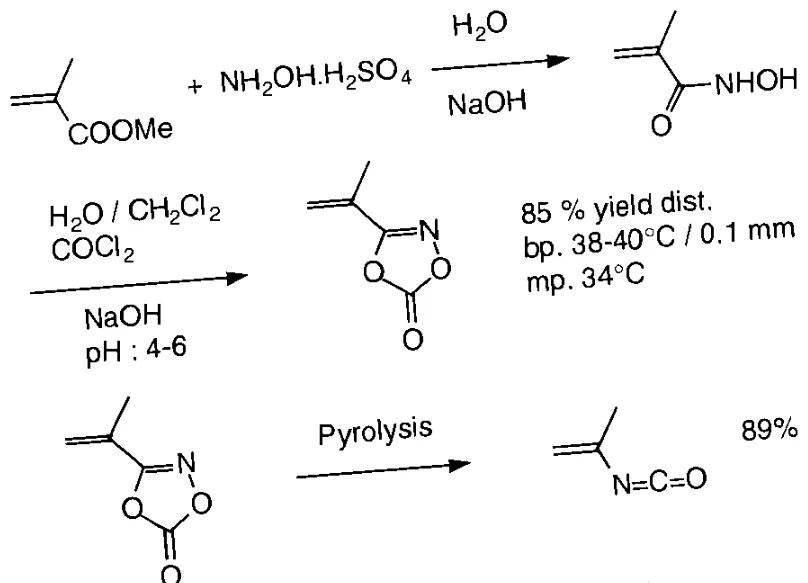
Scheme 181. Preparation of isopropenyl isocyanate.
Phosgenation of α-hydroxy acids affords cyclic mixed carboxylic-carbonic anhydrides which can be used as activated form of acid function in reaction with amines to afford amides as illustrated by the example given in scheme 182 (Ref. 235).
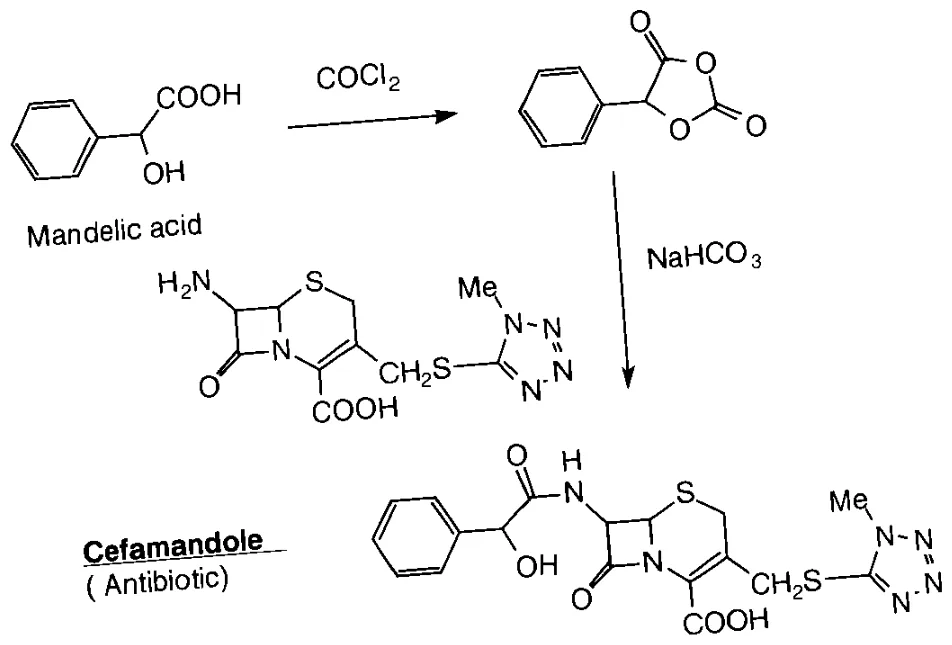
Scheme 182. Preparation of Cefamandole.