Jean-Pierre Senet - The Recent Advance in Phosgene Chemistry
p. Toluene sulfonyl isocyanate (PTSI) is an interesting highly-reactive isocyanate which has found several valuable applications such as :
– dehydrating agent for mastic and filler resins, especially for building trade ;
– chemical intermediate for the synthesis of hypoglycemic pharmaceuticals, for example Tolbutamide or Gliclazide :

– key starting material for the preparation of resins for nail lacquers, to replace conventional arylsulfonamido formaldehyde resins which release carcinogenic formol (Ref. 220).
The synthesis of p. toluene sulfonyl isocyanate by phosgenation of p.toluene sulfonamide in presence of an alkyl isocyanate as the catalyst, generally n-butyl isocyanate, is well described in several patents and publications [Scheme 165].
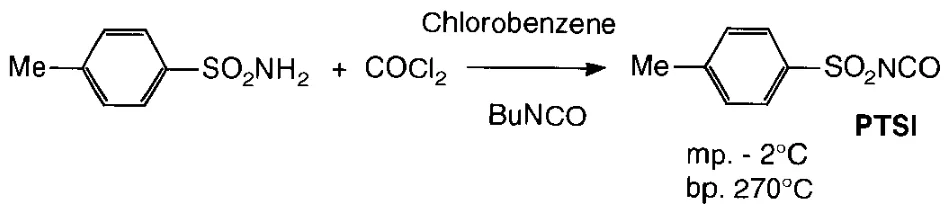
Scheme 165. Preparation of p.toluene sulfonyl isocyanate (PTSI).
In order to economically improve the industrial process and to avoid side reaction such as the formation of tosyl chloride, we thoroughly studied the mechanism of the phosgenation. We demonstrated that contrary to the impressions given in the literature, the sulfonyl urea (II) is not the only true intermediate in the reaction [Scheme 166]. Our trials showed that the phosgenation proceeds in a first stage through the readily and quantitative formation of the insoluble symmetrical sulfonyl urea (I) which reacts with butyl isocyanate to afford sulfonyl urea (II) and PTSI. The intermediate (II) reacts then, more slowly, with phosgene to give PTSI and regenerates butyl isocyanate. The assumed mechanism is depicted in scheme 166 (Ref. 221).
The formation of tosyl chloride was shown to proceed through phosgenation of PTSI itself, thus affording chlorocarbonyl isocyanate which polymerizes.
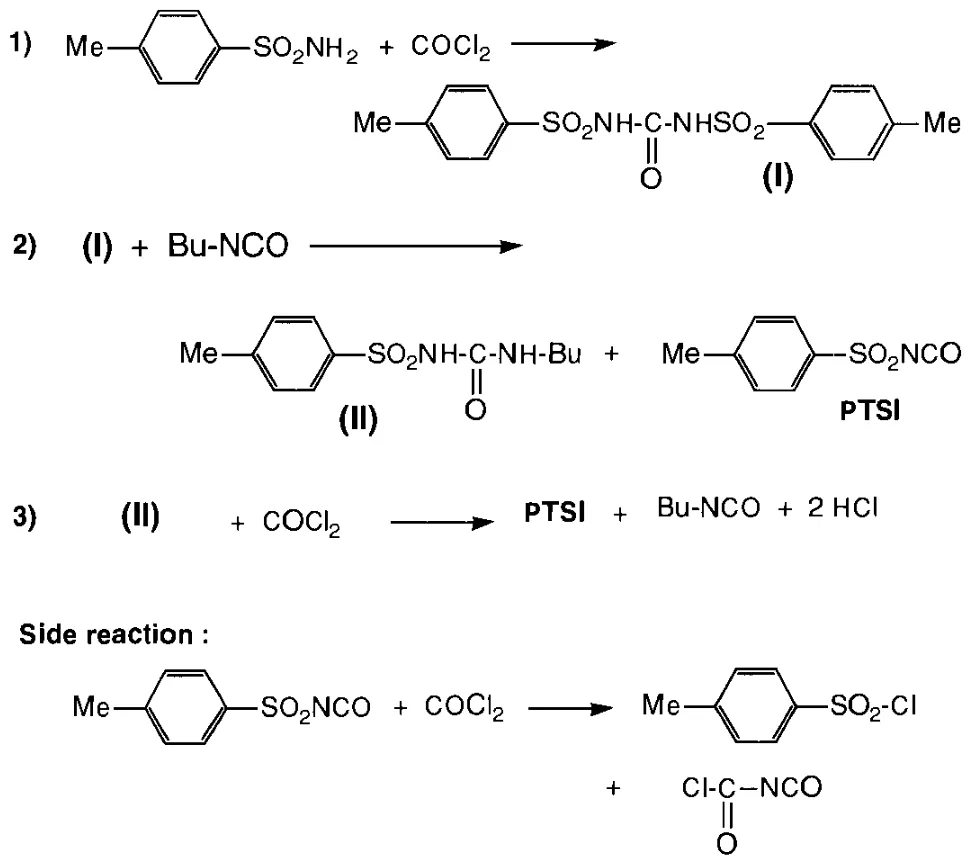
Scheme 166. Mechanism fo or of (in the editors’ view) the catalysed synthesis of PTSI.