Jean-Pierre Senet - The Recent Advance in Phosgene Chemistry
Phosgene reacts with tertiary amines at low temperatures to afford unstable crystalline 1:1 or 1:2 phosgene-amine adducts. In the case of tertiary alkylamines, these complexes decompose with elimination of alkyl chlorides to give carbamoyl chlorides and then isocyanates as depicted in scheme 117.
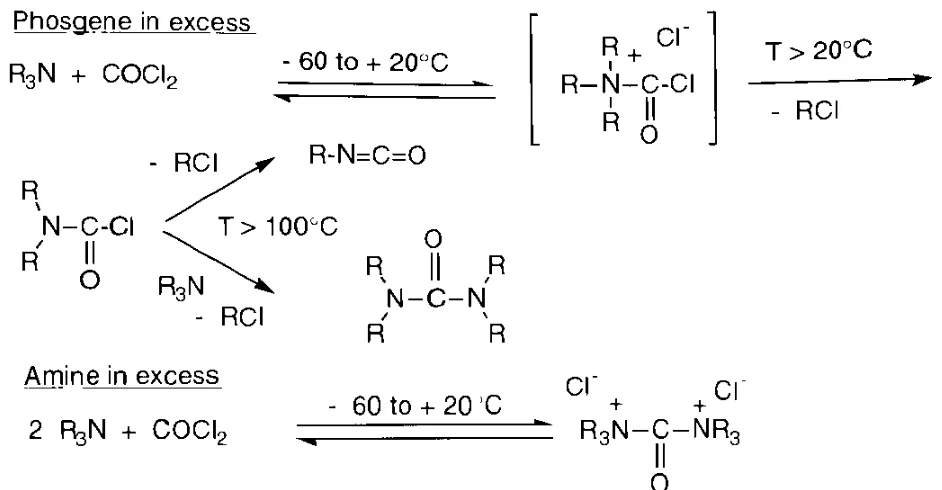
Scheme 117. Reaction of phosgene with tertiary alkyl amines.
The originally proposed 1:2 structure (II) for the phosgene-pyridine adduct was deduced by analogy to the commonly observed 1:1 pyridinium salt (I) as shown in scheme 118. However, as a conclusion of a study of low temperature 13C NMR and solid-state 13C CP/MAS spectra, King Jr. and coworkers (Ref. 170) assigned a dihydropyridine-pyridinium (2-DHPP) structure (III) to the 1:2 salt.
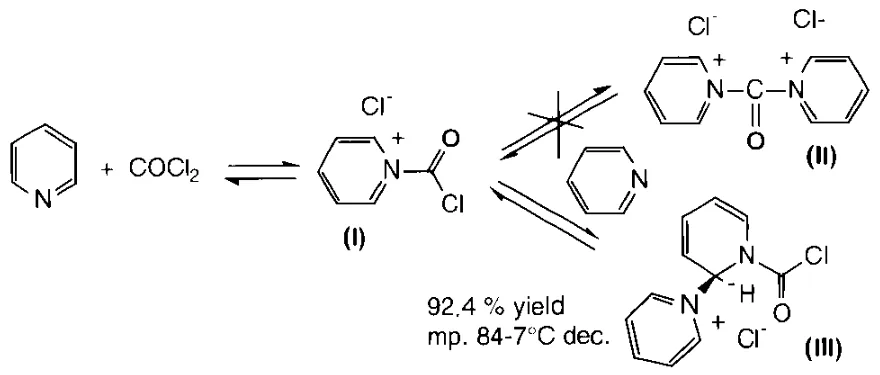
Scheme 118. Structure of the 1:2 phosgene-pyridine adduct.
Note that the adduct (III) which can be stored at least one year at room temperature and which reverts easily to its components in solution was proposed as a convenient (safe ?) storage system for phosgene under the term « phosgene - in - a - can » (Ref. 170).
The reaction of phosgene with secondary amines or their hydrochlorides is a well known useful route to carbamoyl chlorides as shown in scheme 119 (Ref. 171).
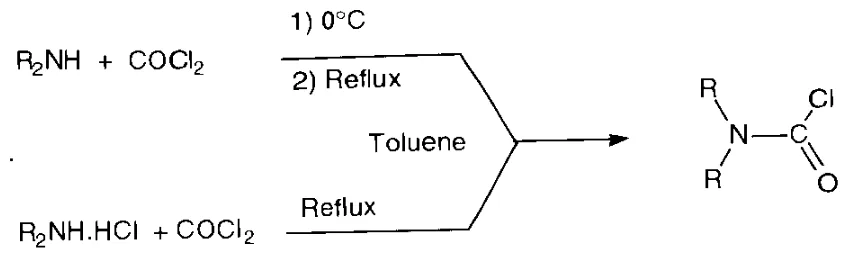
Scheme 119. Preparation of carbamoyl chlorides from secondary amines.
Caution ! several carbamoyl chlorides are mutagenic and carcinogenic suspected agents. Low molecular weight products exhibit high toxicity levels. For example, dimethylcarbamoyl chloride is a powerful lachrymator and a confirmed carcinogen and mutagen. Extreme care should be taken to avoid inhalation or skin contact.
In order to develop various new applications of carbamoyl chlorides, we were interested in the synthesis of compounds containing functional groups such as ether oxides of tertiary amines. Thus, we studied and scaled up an improved process for the production of N-chlorocarbonyl morpholine based on a modification of literature data (Ref. 172) [Scheme 120].
N-chlorocarbonyl morpholine has found some valuable applications to convert amino acids to N-morpholinocarbonyl amino acids, for example N-morpholinocarbonyl-(L)-phenylalanine [Scheme 120] for the preparation of renin-inhibiting peptides.
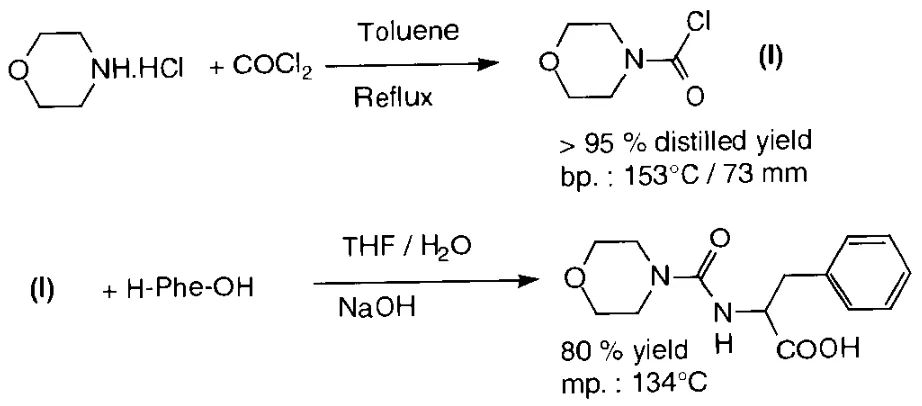
Scheme 120. Preparation of N-chlorocarbonyl morpholine and condensation with L-phenylalanine.
Such modified peptides were proposed for the treatment of hypertension, originally in a patent from Squibb (Ref. 173) and then in numerous patents from other companies.
In another example, N-chlorocarbonylmorpholine is used (besides several other phosgene derivatives) in a multi-step synthesis of FK-906, an antihypertensive renin inhibitor from Fujisawa in phase II in Japan, as depicted in scheme 121 (Ref. 174).
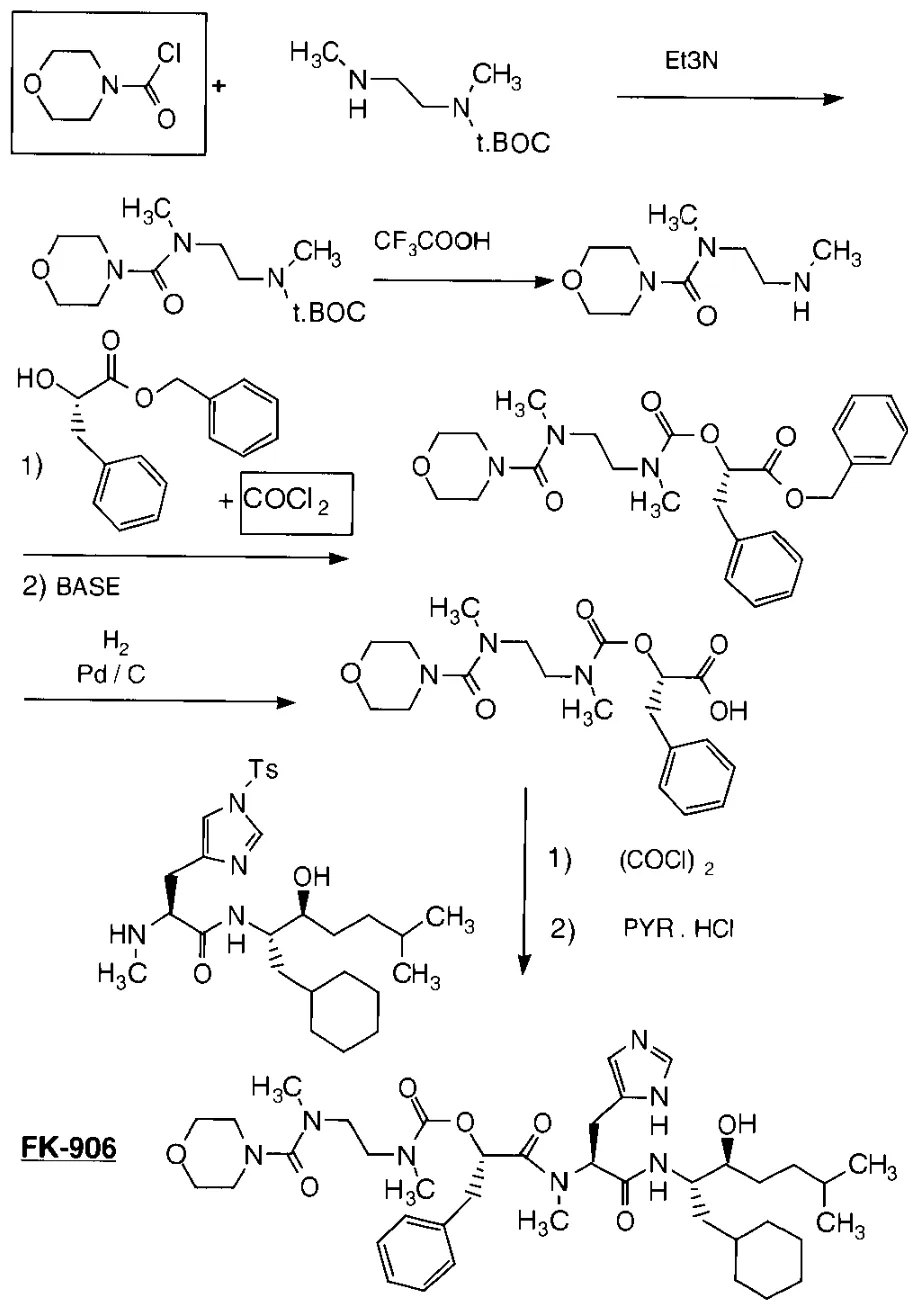
Scheme 121. N-Chlorocarbonyl morpholine in the preparation of the hypertensive renin inhibitor FK-906.
Some work in our laboratories was also devoted to improve the preparation process of carbamoyl chlorides containing tertiary alkylamine functions, such as N-chlorocarbonyl, N'-methyl piperazine hydrochloride. This carbamoyl chloride is for example used in the synthesis of the sedative and hypnotic pharmaceutical Zopiclone as shown in scheme 122 (Ref. 175).
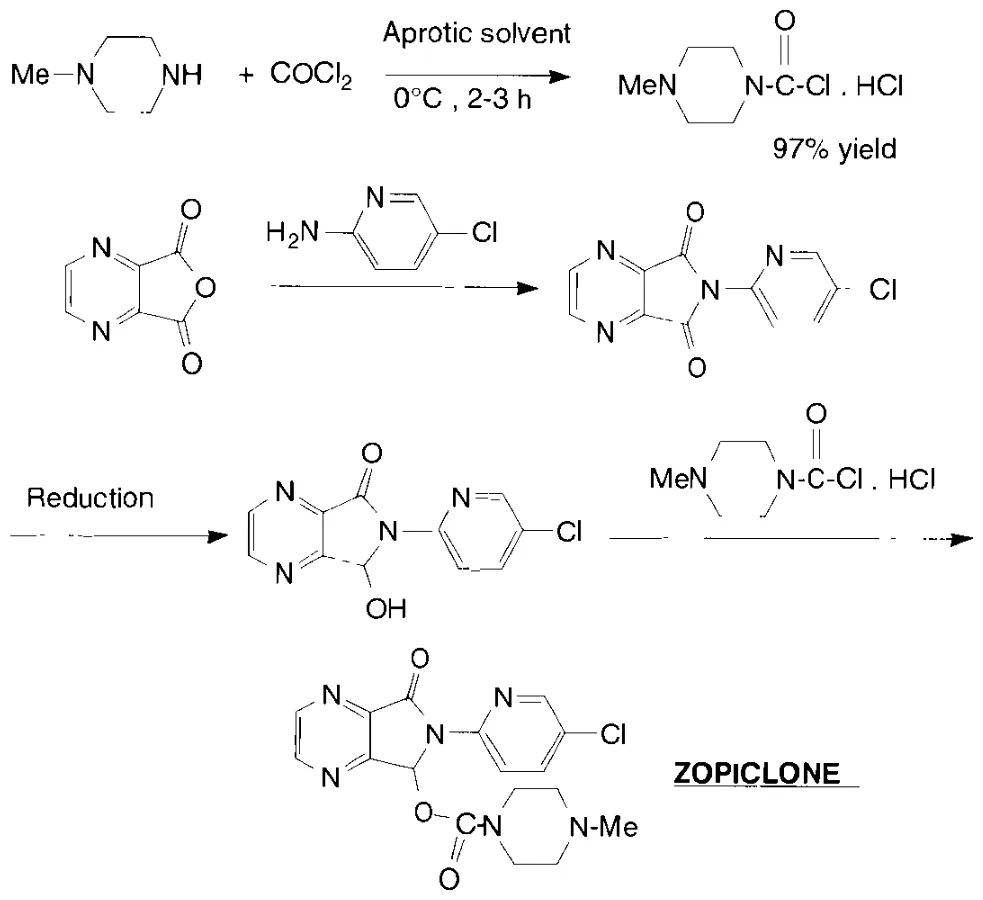
Scheme 122. Synthesis of carbamoyl chloride derived from N-methyl piperazine and its use in the preparation of Zopiclone.
While studying the reactivity of carbamoyl chlorides, we found that they react easily with aldehydes in the presence of a Lewis acid as the catalyst to afford 1-chloroalkyl carbamates in good yield as shown in scheme 123 (Ref. 176). The chemical properties of 1-chloroalkyl carbamates which can be obtained by other routes are discussed in section 3-3-2.
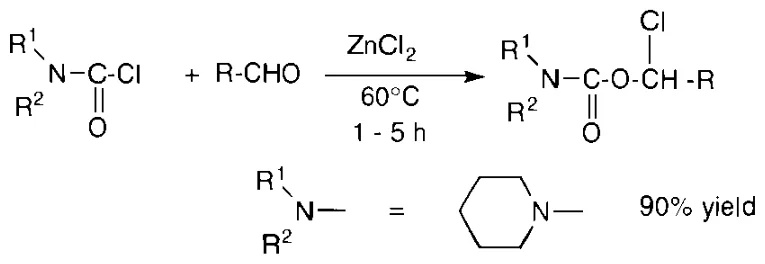
Scheme 123. Reaction of carbamoyl chlorides with aldehydes.
N-Methyl-N-methoxycarbamoyl chloride made by phosgenation of methoxy methyl amine hydrochloride is a very useful intermediate for the synthesis of N-methoxy ureas herbicides. However, we found the method to be unsatisfactory for the production on a large scale, because of rather low yields and also of technical difficulties. To overcome these problems, we developed a new procedure based on the reaction of phosgene with methoxy methyl amine sulfate as depicted in scheme 124. Sulfuric acid formed is easily removed by decantation (Ref. 177).
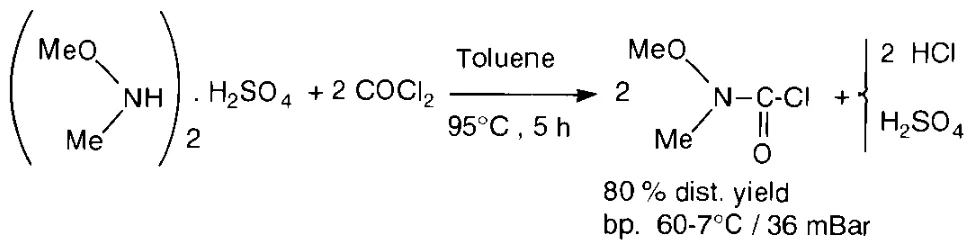
Scheme 124. Preparation of methyl methoxy carbamoyl chloride from the sulfuric acid salt of methoxy methyl amine.
Among the more than 30 methods available for the preparation of isocyanates, phosgenation of primary amines or their hydrochlorides still remains the most popular. The method is employed on a large scale for the industrial production of mono and polyisocyanates.
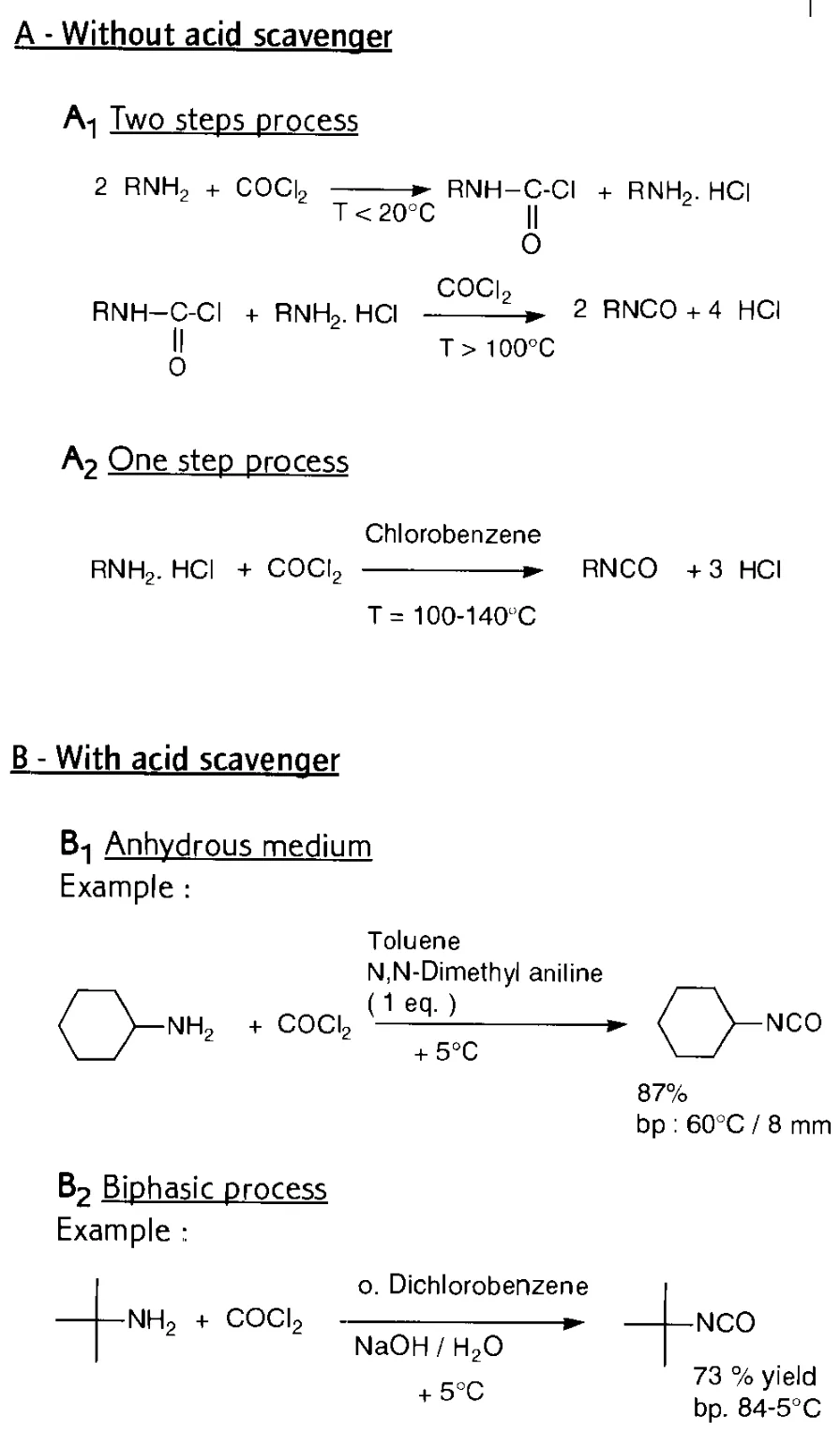
Four phosgenation procedures are used. The procedures without any acid scavenger are the methods commonly employed for the production of almost all commercial isocyanates.
In the course of several studies devoted to the syntheses of unusual isocyanates, we developed an improved process for the preparation of the already known ethyl-2,6-diisocyanato hexanoate by phogenation or phosgenation (in the editors’ view) of L-Lysine ethyl ester as depicted in scheme 125 (Ref. 178).
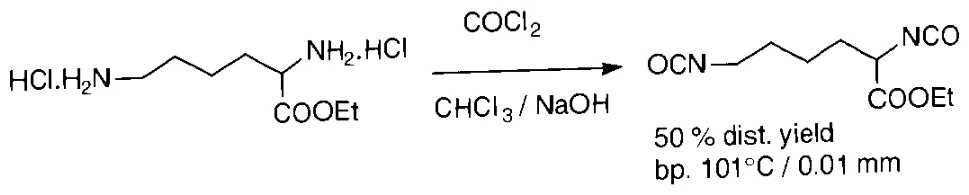
Scheme 125. Phosgenation of L-Lysine ethyl ester to the corresponding isocyanate.
This diisocyanate is especially useful in the preparation of biocompatible polyurethanes or polyureas.
In another example, surprisingly, we found that the phosgenation of a substituted isoxazolamine hydrochloride doesn't afford the expected free isocyanate but a peculiar dimer according to the mechanism depicted on scheme 126 (Ref. 179).
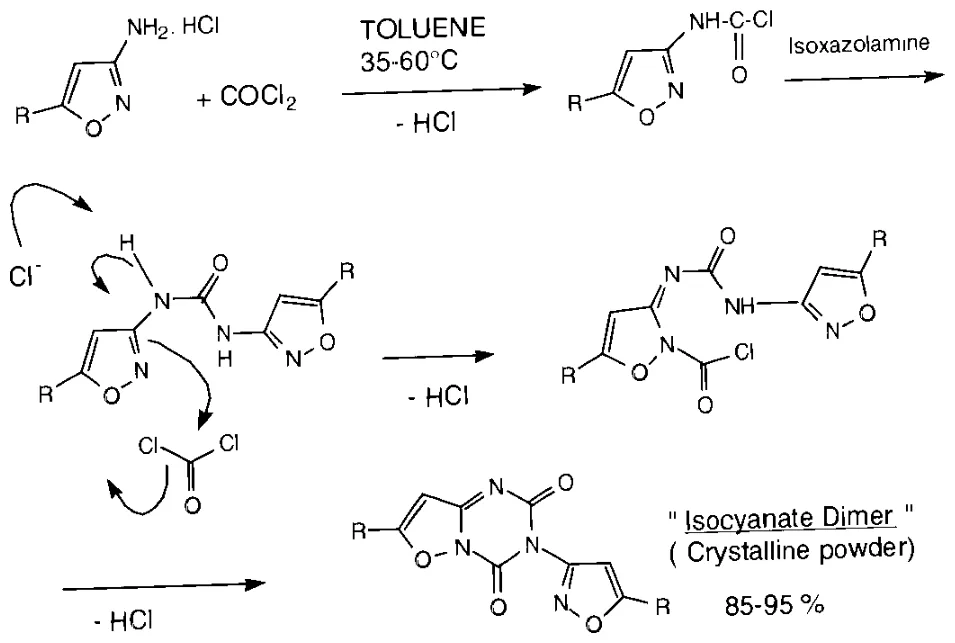
Scheme 126. A peculiar isocyanate dimer from phosgenation of substituted isoxazolamines.
This dimer reacts as two molecules of free 5-alkylisoxazolyl-3-isocyanate with secondary amines or with alcohols to give the corresponding ureas or carbamates useful as agrochemicals or fine chemicals intermediates. For example, 3-amino-5-tert-butyl isoxazole is a key intermediate for 3-(5-tert-butylisoxazolyl)-1,1-dimethyl urea (common name : Isouron) which is useful as a herbicide for sugar cane and other crops (Ref. 180) [Scheme 127].
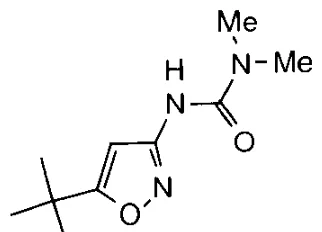
Scheme 127. Isouron.
The reaction of phosgene with CH-acid imines followed by dehydrochloridation or dehydrochlorination (in the editors’ view) in the presence of triethylamine affords N-substituted vinyl carbamoyl chlorides in good yields. For example, N-methyl-N-vinyl carbamoyl chloride was prepared in 67% distilled yield through phosgenation of ethylidene methyl amine as depicted in scheme 128 (Ref. 181).
If there is no hydrogen atom available on the β-carbon, for example in the case of the Schiff's base of tert-butyl amine and formaldehyde, N-(1-chloralkyl or chloroalkyl (in the editors’ view)) carbamoyl chlorides are obtained in excellent yields [Scheme 128].
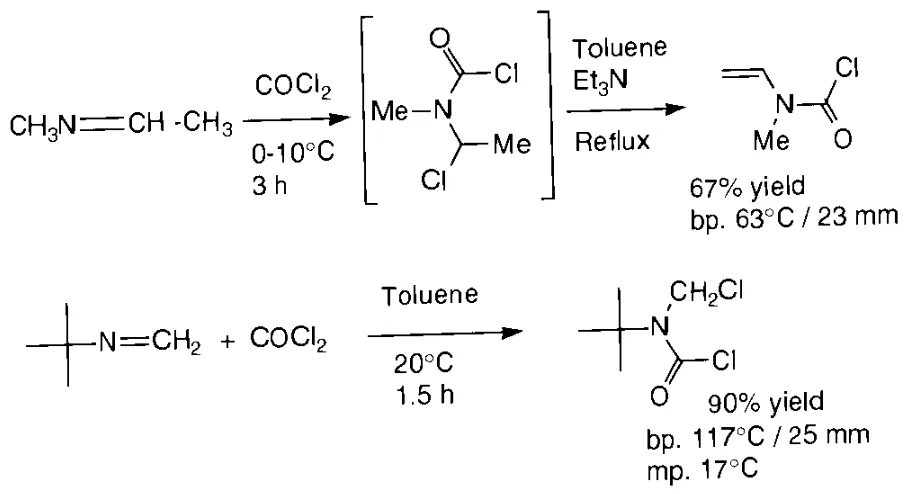
Scheme 128. Reaction of phosgene with Schiff's bases.
It is noteworthy that N-(1-chloroalkyl) carbamoylchlorides are valuable starting materials for the synthesis of pesticides. We have carried out some trials based on literature data (Ref. 182) in order to synthesize N-phenyl-N-chloromethyl carbamoyl chloride by phosgenation of 1,3,5-triphenylhexahydro-s-triazine as shown in scheme 129. However, all the efforts to appreciably improve the described yield (24 %) failed, the best yield obtained being around 50%.
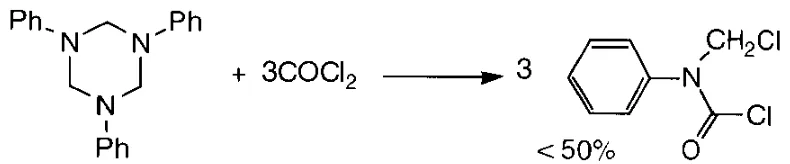
Scheme 129. Attempt to prepare N-pheny or phenyl (in the editors’ view)-N-chloromethyl carbamoyl chloride in good yield.
Phosgene reacts also readily with substituted oxazolines, for example 2-phenyloxazoline, to afford depending on the conditions either N-(2-chloroethyl)-N-chlorocarbonyl amides or isocyanato ethyl esters as depicted on scheme 130 (Ref. 183, 184).
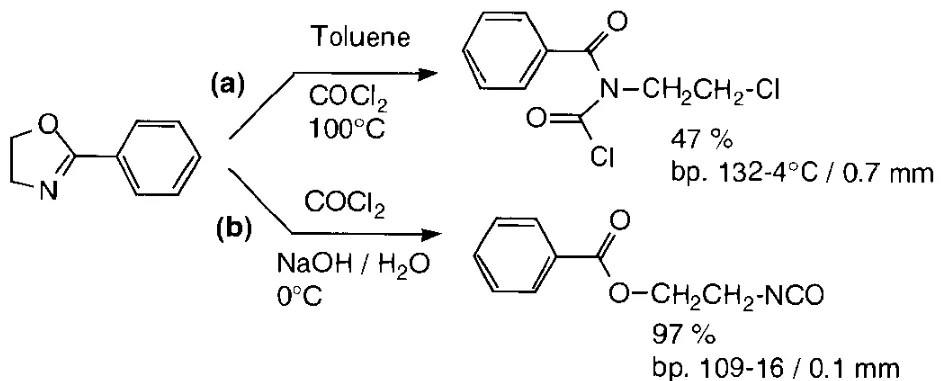
Scheme 130. The two pathways for the phosgenation of phenyl oxazoline.
Process (b) in scheme 130 was applied to the industrial preparation of isocyanatoethyl methacrylate (I.E.M.) as depicted in scheme 131 (Ref. 185).
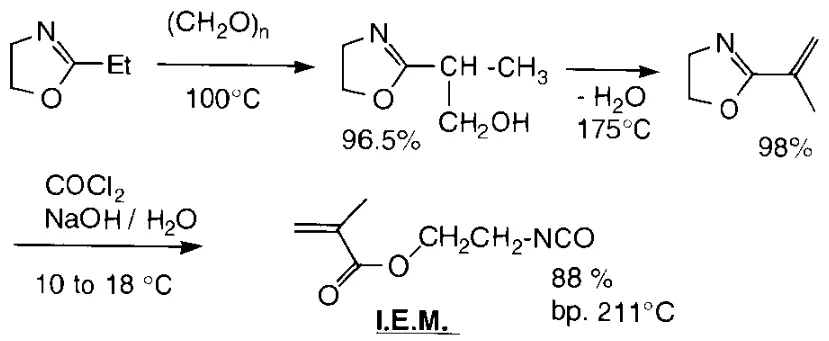
Scheme 131. Industrial process for the preparation of I.E.M.
I.E.M. is an interesting monomer which combines to well-known functionalities in on molecule. Unfortunately, I.E.M. exhibits a very high level of toxicity. It is recommended that the average eight-hour working environment not exceed 0.025 ppm.