Jean-Pierre Senet - The Recent Advance in Phosgene Chemistry
Photochlorination of alkyl chloroformates, generally limited to the case of methyl chloroformate and ethyl chloroformate, was the only method for the preparation of 1-chloroalkyl chloroformates before the work done at SNPE [Scheme 57].
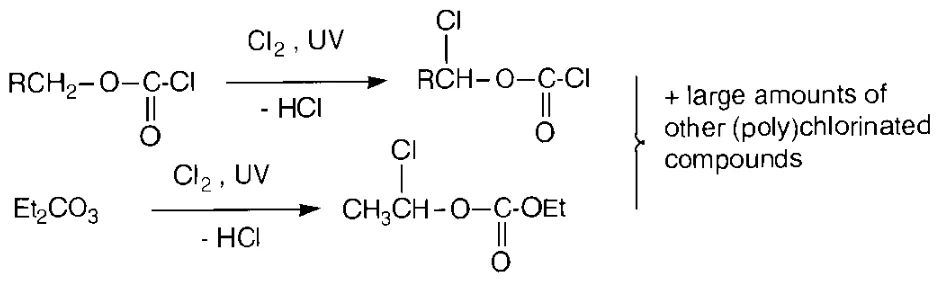
Scheme 57. Photochlorination of alkyl chloroformates and diethyl carbonate.
This method useful for chloromethyl chloroformate synthesis gives poor yields and bad quality in the case of 1-chloroethyl chloroformate, and completely fails with higher chloroformates, because of the lack of selectivity of the radical chlorination.
Eighteen years ago, in the course of unsuccessful attempts to prepare vinyl chloroformate by phosgenation of aldehydes in presence of tertiary amines, especially pyridine, we discovered a new route to α-chloroalkyl chloroformate (Ref. 58) as presented in scheme 58 :
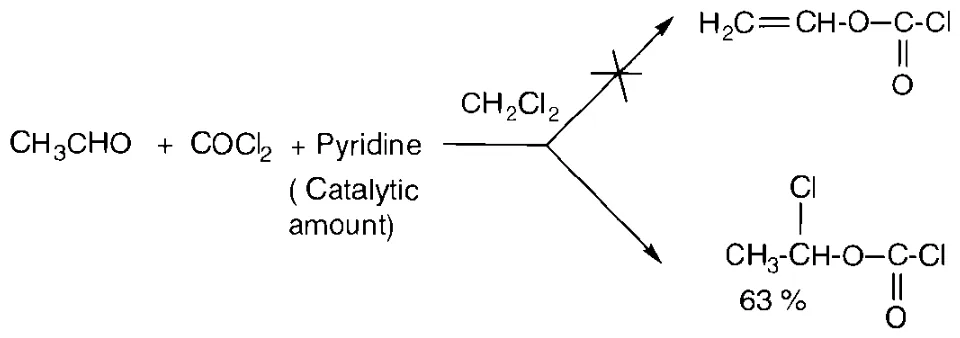
Scheme 58. The origin of the discovery of the new α-chlorinated chloroformates route.
The value of this new route immediately was recognized because 1-chloroethyl ethyl carbonate which could be obtained from 1-chloroethyl chloroformate and ethanol already was on the market as an alkylating agent to prepare the orally active antibiotic « Bacampicillin ».
Not long after, together with Olofson and coworkers at Penn State University, we found that aldehydes are readily converted to 1-chloroalkyl chloroformates when treated with phosgene in the presence of a « naked Cl− » catalyst (Ref. 5). The reaction has been found to proceed cleanly in good to excellent yields and to be quite general with almost all aldehydes, but not with most ketones (Ref. 59).
On a laboratory scale, one of the favored catalyst is the benzyl tri-n-butyl ammonium chloride (BTBAC). The most important reagent, α-chloroethyl chloroformate (« ACE-Cl »), typically is isolated in 96% yield by stirring acetaldehyde with phosgene (1.1 eq.) neat for an hour in the presence of 3 mol. % BTBAC. Even chloromethyl chloroformate can be prepared using this process, but it is essential to introduce the monomeric gaseous formaldehyde into the reactor already containing the catalyst and phosgene, so that formaldehyde reacts immediately, thus avoiding its repolymerisation (Ref. 60). However, in this last case, we found the procedure difficult to scale up, because of technical problems of formaldehyde polymerization. Note that the reaction does not work with the polymeric forms of formaldehyde, either trioxane or paraformaldehyde.
Some results are gathered in table 3-4 (Ref. 5, 58, 60).
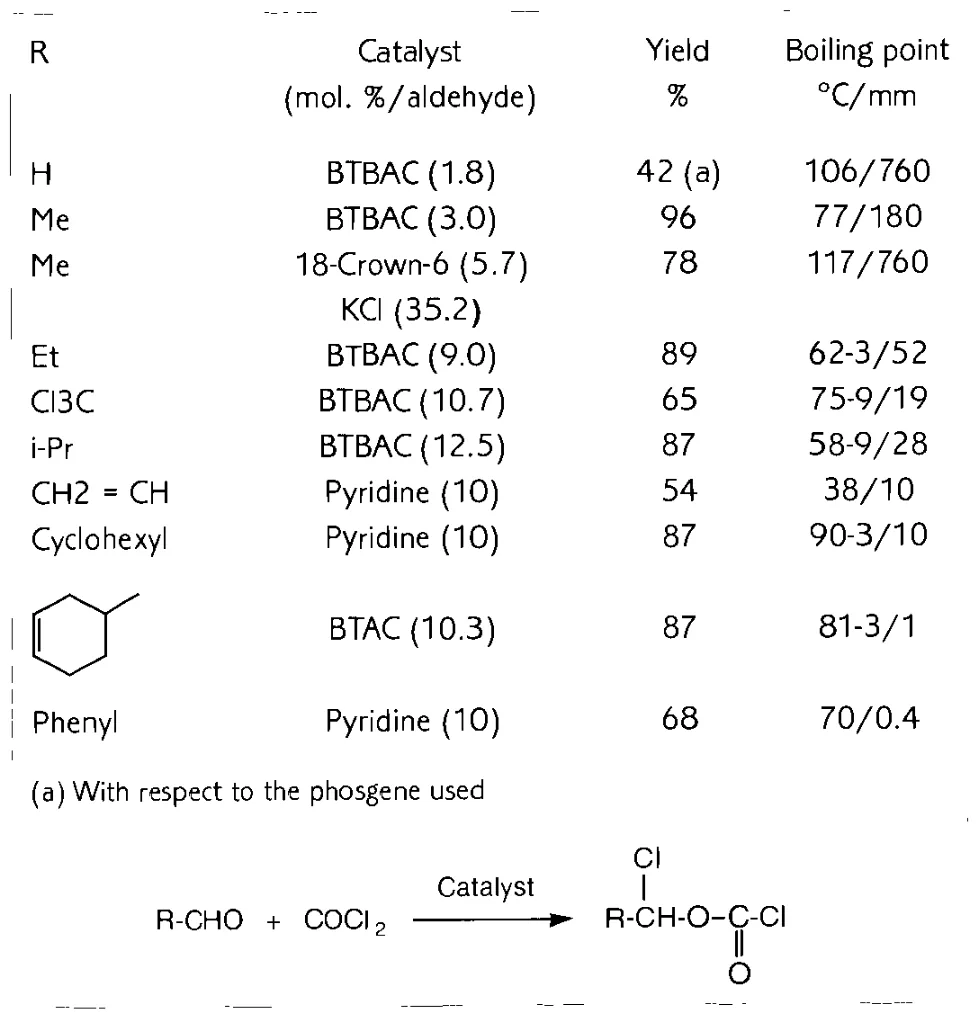
Table 3-4. Preparation of some 1-chloroalkyl chloroformates.
The yields and recoveries presented in this table are those for isolated materials (purity > 99%).
Phosgene can be replaced with either diphosgene or triphosgene in the same conditions to give the corresponding 1-alkyl chloroformates in very good yields (Ref. 61).
For safety reasons, because a possible reversibility of the reaction between phosgene and aldehydes was suspected, we thoroughly studied the thermal stability of 1-chloroalkyl chloroformates. This stability greatly depends on the structure of the R radical. Simple alkyl compounds are much more stable than the aralkyl compounds which begin to decompose at 60° C or below. It is important to note that the only products of thermal decomposition are the derived 1,1-dichlorides and carbon dioxide [Scheme 59]. In contrast, the chloroformate from chloral reverts easily to the aldehyde and phosgene when heated. This decomposition is catalyzed by « naked Cl− » and particular precaution must be taken in the handling of tetrahaloethyl chloroformates, and more generally in the case of 1-chloroalkyl chloroformates containing strong electron withdrawing groups (with regard to the mechanism of the decomposition, see farther on in this section).
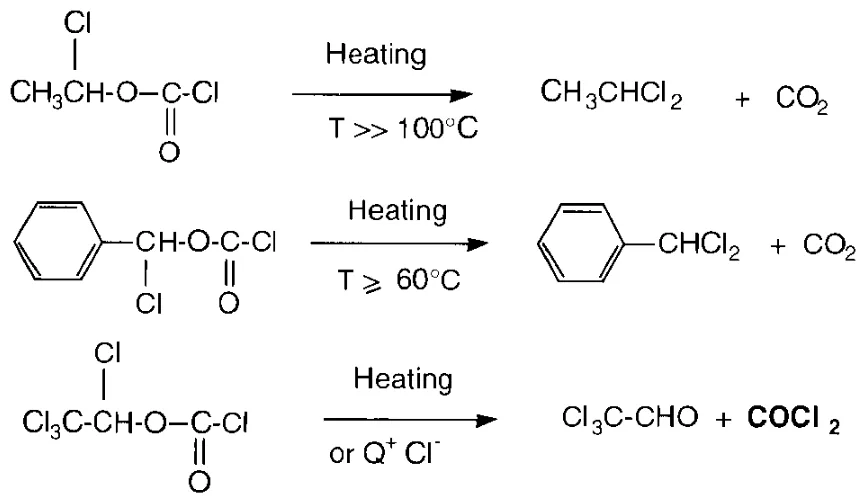
Scheme 59. Thermal stability of 1-chloroalkyl chloroformates.
1-Chloroalkyl chloroformates like conventional chloroformates react easily with alcohols, either in the presence of base or simply by heating to give the expected 1-chloralkyl carbonates. 1-Chloroalkylchloroformates react also with phenols, but only in presence of a base to afford 1-chloroalkyl aryl carbonates.
1-Chloroethyl ethyl carbonate itself was first prepared by Müller by heating ethanol with 1-chloroethyl chloroformate previously prepared through chlorination of ethyl chloroformate in direct sunlight (Ref. 62).
The addition of 1-chloroalkyl chloroformates to alcohols or phenols is a quite general method and gives good to excellent yields. Some examples are given in table 3-5.
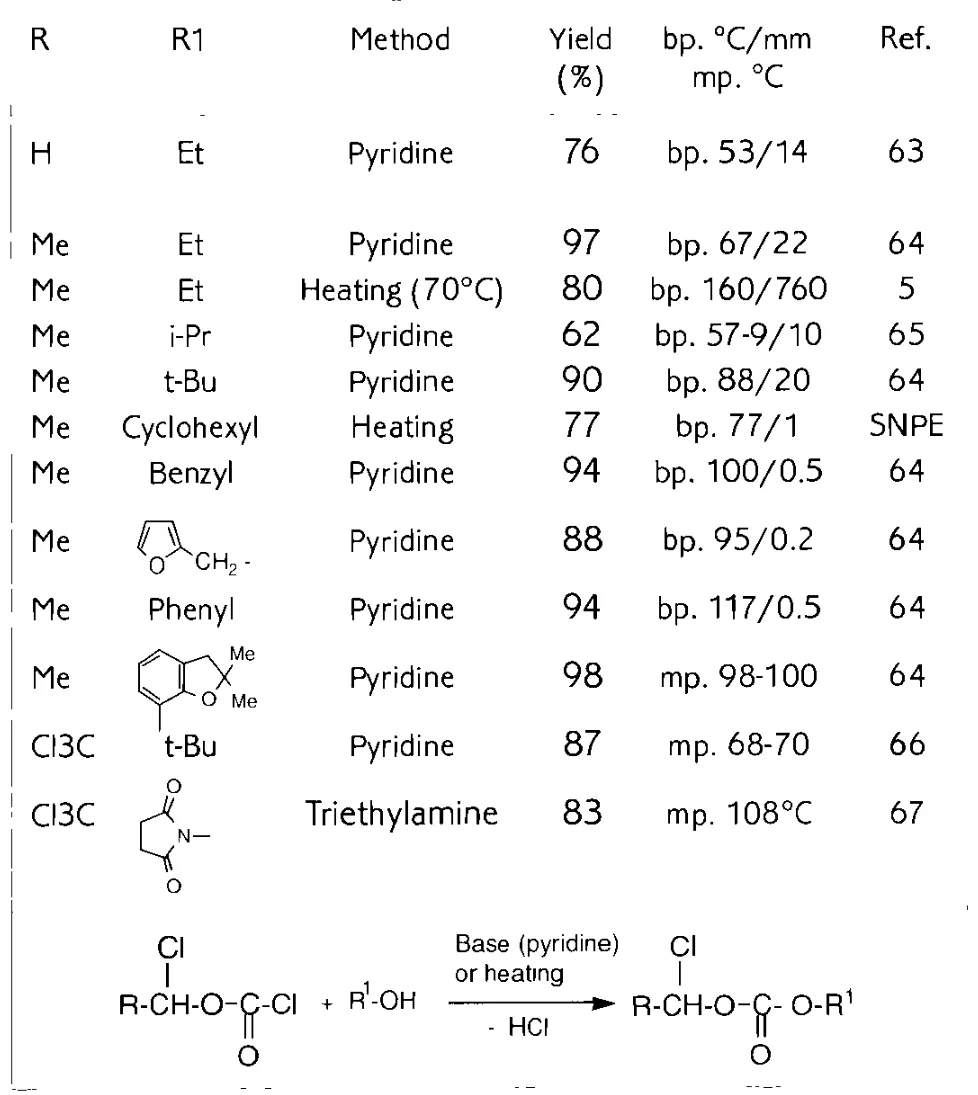
Table 3-5. Preparation of 1-chloroalkyl carbonates.
The use of a trialkyl amine, for example triethyl amine, as a scavenger is not recommended because 1-chloroalkyl chloroformates react very easily with tertiary alkyl amines to afford N,N-disubsituted carbamates (Ref. 68) as discussed in section 3-3.
Although pyridine appears as one of the best scavengers in the process using a base, any excess must be avoided because of the formation of a quaternary ammonium salt as depicted on scheme 60 :
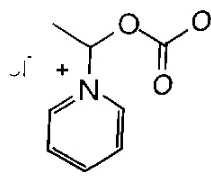
Scheme 60. Quaternary ammonium salt from pyridine and 1-choroethyl or chloroethyl (in the editors’ view) ethyl carbonate.
In the course of our work devoted to the development of an industrial process to manufacture ton lots of 1-chloroethyl ethyl carbonate, we studied the main side reaction which is the transesterification of the desired product with ethanol [Scheme 61].
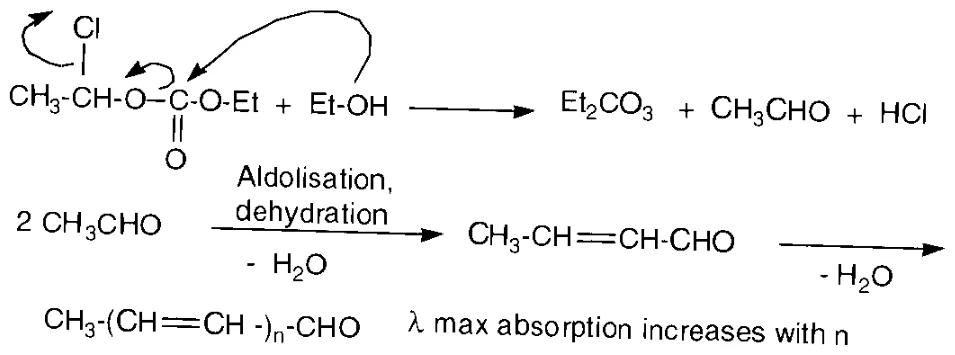
Scheme 61. Main side reactions in the preparation of 1-chloroethyl ethyl carbonate.
Experimentally, the rate of formation of diethyl carbonate was found to be proportional to the concentration of both 1-chloroethyl ethyl carbonate and ethanol, so that the reaction rate may be expressed in term of following equation with an assumed first order with respect to both reactants :
d [EtOH]/dt = k [EtOH] [MeCHClOCOOEt]
At 75°C, the k value was determined at 7.2 x 10⁻⁵ mol.−1.l.min−1. The heat of activation was calculated at 25 kcal. mol.−1.
In the past 25 years, there have been numerous publications and patents claiming applications of 1-haloalkyl carbonates to mask acid or hydroxy functions of certain types of active compounds such as parmaceuticals or pharmaceuticals (in the editors’ view) or pesticides according to the scheme 62.
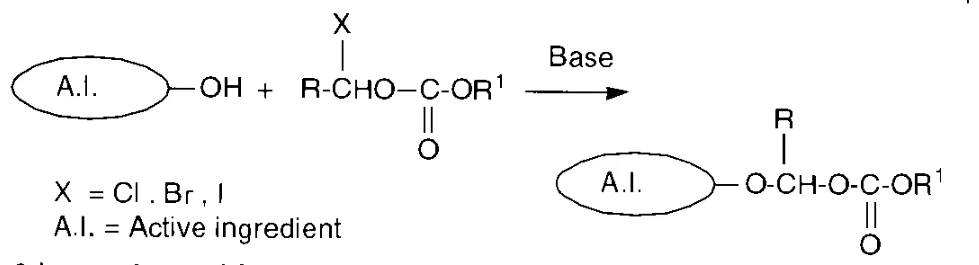
Scheme 62. Modification of -OH functions (from carboxylic acids or phenols) using α-chloroalkyl carbonates.
This kind of application was initially developed to produce Bacampicillin, a prodrug from Ampicillin [Scheme 63].
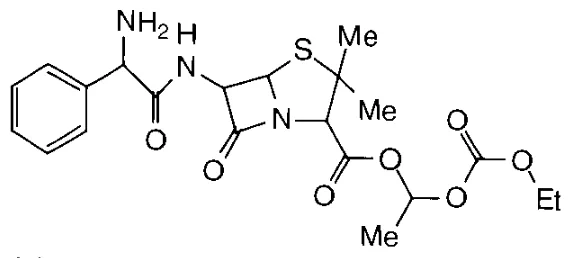
Scheme 63. Semi-synthetic antibiotic « Bacampicillin » from Ampicillin and 1-iodoethyl ethyl carbonate.
Current penicillins or cephalosporins clinically used for injection are not suitable for oral administration because of their low absorption from the gastro-intestinal tract. The prodrug approach by chemical modification into bio-labile derivatives with improved physicochemical properties (i.e. lipophilicity) that enables better transport through biological barriers, is a powerful mean for improving drug delivery. The success of such approach requires a latentiating group stable in both gastric acidic and basic intestinal conditions, and easily removable by enzymatic hydrolysis. The modification of carboxylic acid function or phenolic function by the alkyloxycarbonyloxyalkyl ester group is especially suitable as shown in scheme 64.
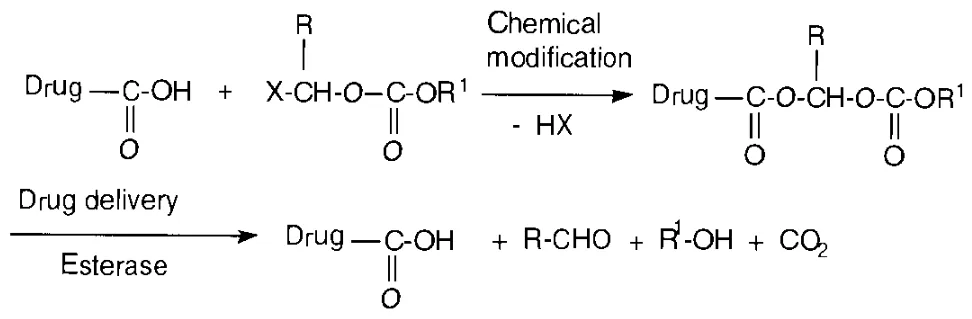
Scheme 64. The prodrug concept applied to drug with a carboxylic function.
To meet all requirements needed, it is possible to select the radicals R and R1, for example :
R = H or methyl
R1 = Et, isopropyl, cyclohexyl, even sugar derivatives (see farther on in this section).
Besides Ampicillin, 1-chloroalkyl alkyl carbonates and particularly 1-chloroethyl ethyl carbonate (CEEC), 1-chloroethyl isopropyl carbonate (CEIC), 1-chloroethyl cyclohexyl carbonate (CECC) and chloromethyl ethyl carbonate (CEMC), have been proposed to modify numerous compounds. Among the many types of prodrugs patented which require this method, there are examples of :
– Antibiotics such as Cefpodoxime Proxetil from Sankyo Co., Ltd.(Ref. 69), Cefotiam Hexetil from Takeda Chem. Indust., Ltd (Ref. 70, 71)
– Antiflammatories and analgesics such as Ampiroxicam from Pfizer and Toyama Chem. Co. (Ref. 65, 72) or a derivative of Diflunisal (Ref. 73)
– Antihypertensives, for example TCV 116 from Takeda Chem. Indust., Ltd (Ref. 74)
– Herbicides (Ref. 75).
Some structures of these pro-active ingredients are given in scheme 65.
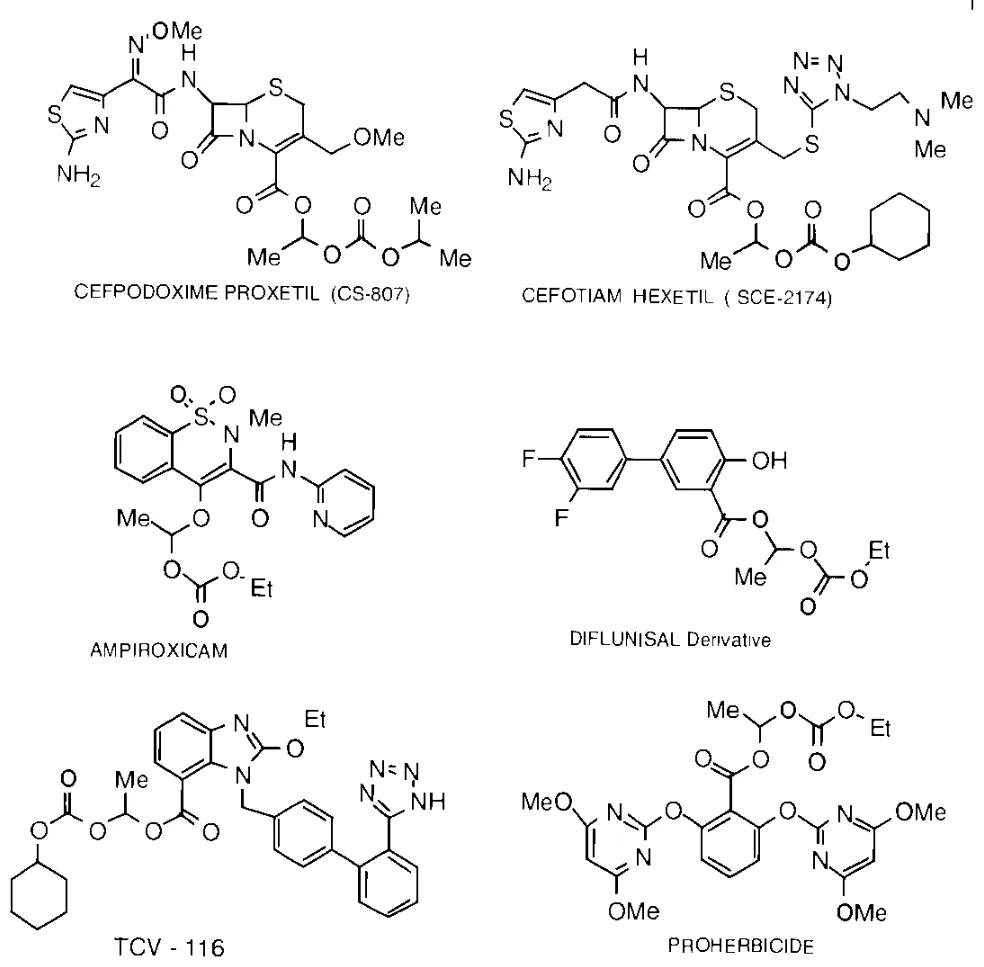
Scheme 65. Examples of Prodrugs from 1-chloroalkyl alkyl carbonates.
Chemical modification of agrochemicals, to improve their pesticidal properties and to reduce toxicity toward nontarget organisms, has been the object of intensive research in both academia and industry, especially in the field of insecticides (Ref. 76). For example, « Carbosulfan » is a very active systemic herbicide derived from « Carbofuran » and much less toxic for mammalians than its parent compound.
In order to improve transport through biological barriers of the plants, we thought that the chemical modification of known pesticides with 1-chloroalkyl alkyl carbonates containing sugar or glycerol moiety should be of some interest. For this purpose, we synthesized at laboratory scale several new α-chlorinated carbonates (Ref. 77). The products prepared and results obtained are depicted on scheme 66.
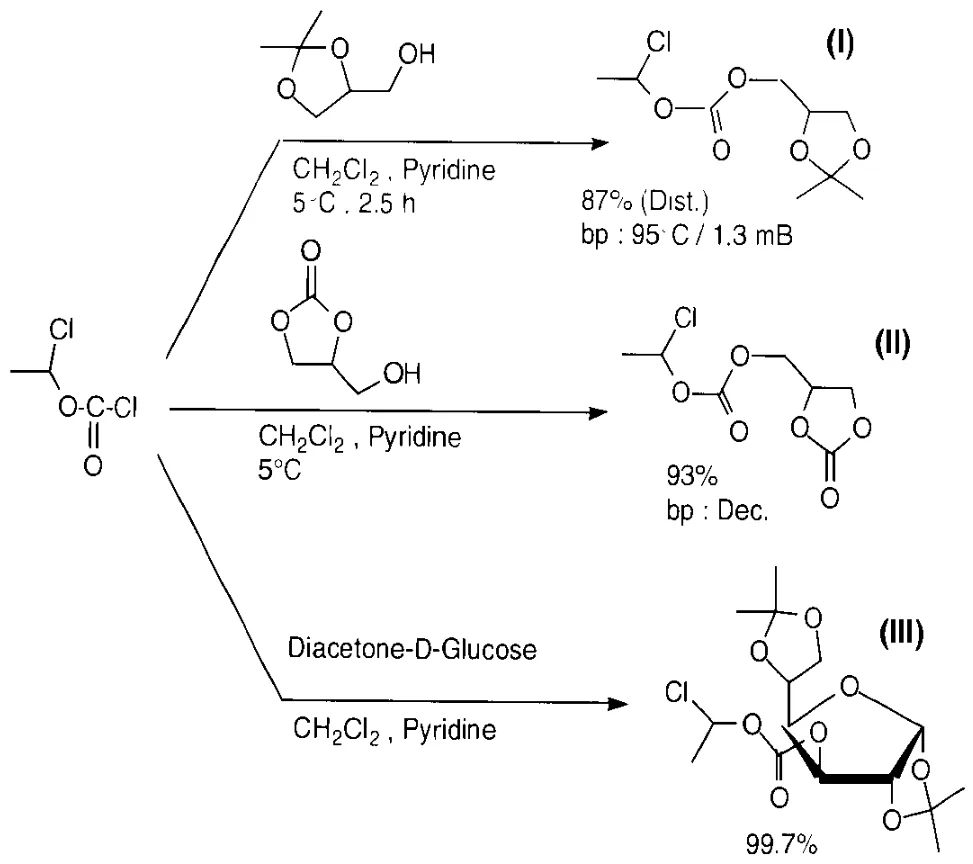
Scheme 66. Some new 1-chloroalkyl alkyl carbonates, useful starting materials for the preparation of prodrugs and propesticides.
The 1-Chloroalkyl carbonate (II), obtained through the reaction of 1-chloroalkyl chloroformate with glycerol carbonate was used for the preparation of a proherbicide derived from « Acifluorfen » (Ref. 77) [See scheme 67].
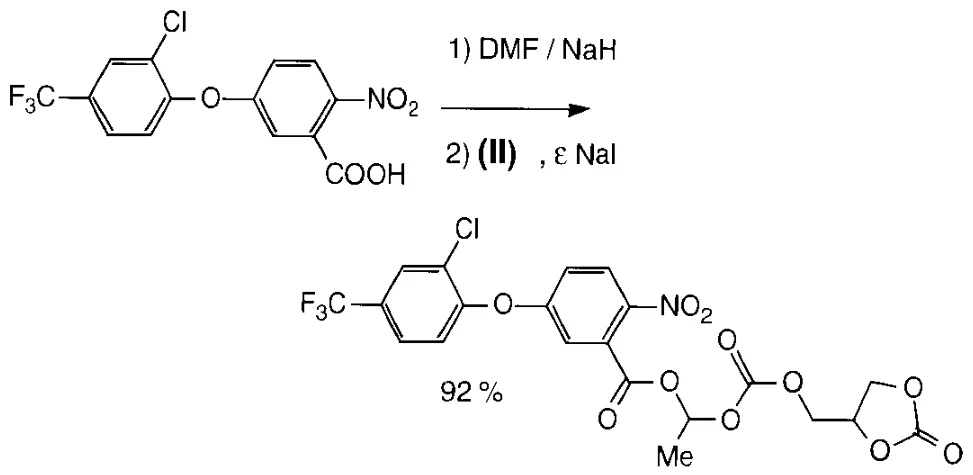
Scheme 67. Proherbicide from Acifluorfen.
Since in terms of leaving group ability in SN2 reactions I > Br > Cl, α-iodoalkyl alkyl carbonates are the reagents of choice for the chemical modification of either carboxylic acid or phenolic functions. However, these α-iodo carbonates exhibit severe instability (Ref. 78) and are generally prepared in-situ or just before use (Ref. 79,80, 81).
Thus, research efforts in different industrial laboratories have been directed toward the preparation of 1-bromoalkyl alkyl carbonates assumed to be more stable than the 1-iodo derivatives, and more reactive than the parent chloro compounds. For example, 1-bromoethyl ethyl carbonate was made by the halide exchange of 1-chloroethyl ethyl carbonate with LiBr or NaBr, or by a radical type bromination of diethyl carbonate (Ref. 82). However, in the case of halide exchange, the conversion is low and a mixture results. Even with a large excess of bromide salt, this problem remains. Radical bromination was found to give unsatisfactory results for the same reasons than the chlorination, and failed in the case of unsymmetrical dialkyl carbonates because of its non-regioselectivity.
We reported a new method consisting of using a volatile bromine containing reagent (E- Br), especially HBr, and a catalyst to accomplish the exchange (Ref. 83, 84). The equilibrium is driven to the desired product by removal of the more volatile E-Cl formed as shown in table 3-6. This table gathers some results thus obtained.
1-Bromoethyl phenyl carbonate (bp. 72-7 °C/0.4 mm) was prepared in 91% yield from TMS-Br and 1-chloroethyl phenyl carbonate using this technic.
It should be noted that 1-bromoalkyl carbonates can be also easily obtained through HBr addition to the double bond of vinyl alkyl or vinyl aryl carbonates (Ref. 85) This process will be described in section 3-2-2-4 devoted to vinylic chloroformates and derivatives.
Table 3-6. Preparation of some 1-bromoalkyl alkyl carbonates.
| R | R1 | Catalyst Eq. | Temp. °C | Time Hours | Yield % | bp. °C/mm |
|---|---|---|---|---|---|---|
| Me | Et | none | 80 | 1 | – | |
| Me | Et | MgBr2 0.038 | 65 | 24 | 80 | 62-6/18 |
| Me | i-Pr | TBAB(a) 0.014 | 85 | 6 | 82 | 80-3/18 |
| n-Bu | Me | BTBAC(b) 0.019 | 85 | 7 | 69 | 60-2/2 |
HBr was added continuously by bubbling the anhydrous gas into the medium
(a) TBAB : tetra n-butyl ammonium bromide
(b) BTBAC : benzyl tri-n-butyl ammonium chloride

In order to complement the usual 1-chloroalkyl carbonates synthesis, we decided to find a new route to a broader class of these compounds. More particularly, we tried to open access to carbonates in which the alcohol (R1-OH) doesn’t exist and to the previously unknown 1-fluoro-alkyl carbonates.
Our efforts succeeded in the discovery of a different method of preparation based on the reaction of an aldehyde with a halogenoformate in presence of a catalyst (Ref. 86, 87), as depicted in scheme 68.
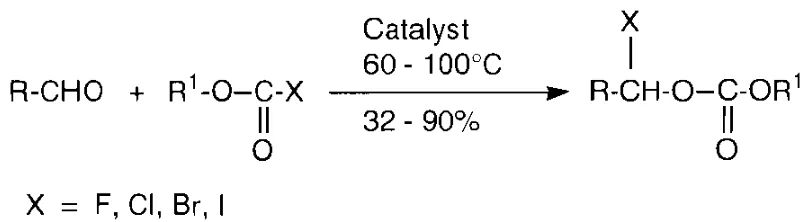
Scheme 68. New route to 1-haloalkyl carbonates.
Besides the synthesis of 1-chloroalkyl carbonates, this method is general enough to be used for the preparation of 1-fluoroalkyl, 1-bromoalkyl or 1-iodoalkylcarbonates as shown in table 3-7. However, the method gives poor results or even failed when the haloformate is too unstable in presence of the catalyst (see section 3-2-1). For example, attempts to prepare 1-chloroethyl ethyl carbonate (CEEC) itself in 1,2 dichloroethane at 60°C with 0.05 equ. pyridine, gave almost total decomposition of ethyl chloroformate.
Table 3-7. Preparation of 1-haloalkyl carbonates.
| R | R1 | X | Catalyst | Temp. °C | Time Hours | Yield % | bp °C/Torr mp [°C] |
|---|---|---|---|---|---|---|---|
| CH3 | Ph | Cl | Pyridine | 80 | 5 | 71 | 67-8/0.15 |
| CH3 | CHCl-CH3 | Cl | Pyridine | 60 | 4 | 49 | 67-72/9 |
| CH3 | CH=CCl2 | Cl | Pyridine | 80 | 1.5 | 83 | 44-5/0.1 |
| CH3 | Ph | Br | Pyridine | 83 | 1 | 82 | 74-9/0.03 |
| CH3 | Ph | I | Pyridine | 70 | 1.5 | 80 | 93-7/0.45 [59-61] |
| CCl3 | CH2Cl | Cl | Pyridine | 80 | 5 | 76 | 60-1/11 |
| CCl3 | CHCl-CCl3 | Cl | Pyridine | 80 | 4 | 88 | 90-5/0.05 [63-4] |
| CCl3 | Ph | F | DMAP | 82 | 24 | 32 | 82-6/0.03 |
| H | (CH2)7CH3 | F | KF/18-C-6 | 65 | 2 | 76 | 82-5/2.5 |
| CCl3 | Et | F | KF/18-C-6 | 65 | 20 | 72 | 77-8/5 |
| Ph | C(CH3)=CH2 | Cl | Pyridine | 83 | 20 | 67 | 92-6/0.2 |
None of the catalysts tested : quaternary ammonium salts, N,N-dimethylamino pyridine (DMAP), 1-methyl imidazole, tertiary amines, Michler’s ketone, quinoline etc. performed as well as pyridine. For the preparation of 1-fluoroalkyl carbonate, the best catalytic system found was the KF/18-crown-6 complex. To avoid side reactions, only aldehydes without hydrogen at C-2 should be used in this case.
Fluoroformates (Ref. 88) and phenyl iodoformate (Ref. 89) used here were prepared according to literature procedure (see also farther on in this section). The preparation of isopropenyl chloroformate, as well as 2,2-dichlorovinyl chloroformate will be presented in section 3-2-2-4.
At the beginning of our work devoted to new potential applications of 1-chloroalkyl chloroformates and 1-chloroalkyl carbonates, available literature data as well as our preliminary experiments indicated strong variations in the products distribution resulting from nucleophilic attacks. Scheme 69 gives some examples demonstrating that the types of obtained products strongly depend on the nature of reactant.
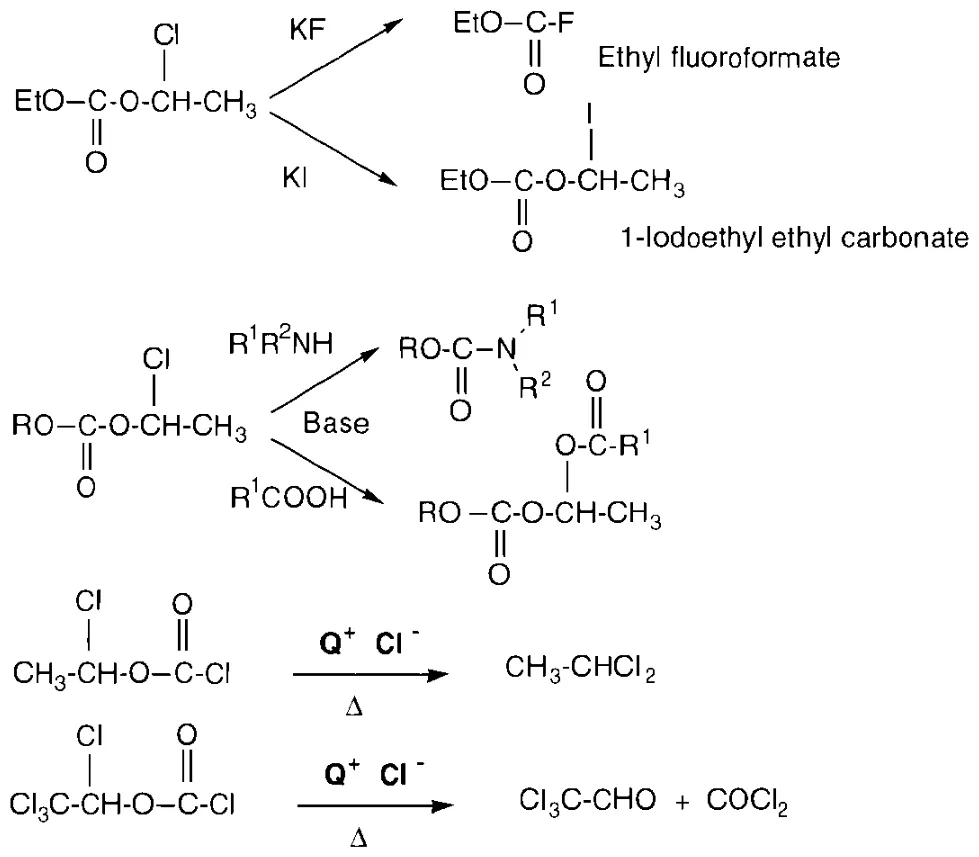
Scheme 69. Examples of variations of nucleophilic attacks pathways to 1-chloroalkyl chloroformates and carbonates.
In fact, 1-chloroalkyl chloroformates and derivatives pose a very interesting mechanistic problem, since they present two reactive electrophilic centers which may be attacked by nucleophiles following three different pathways as shown in scheme 70 :
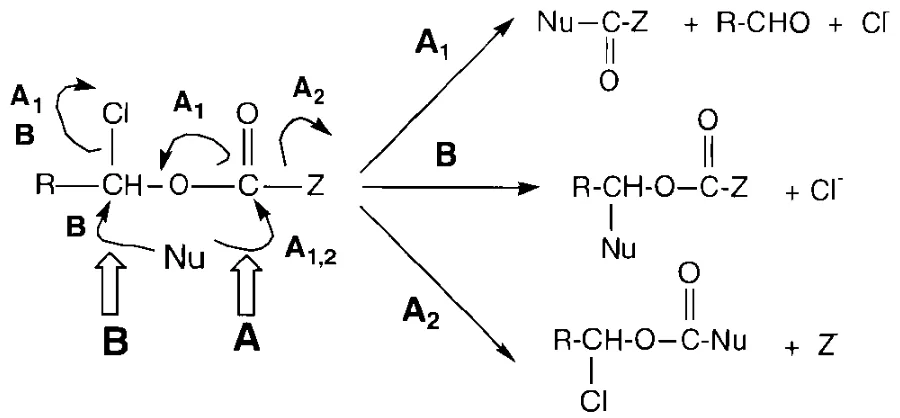
Scheme 70. Possible types of nucleophilic attacks to 1-chloroalkyl-oxycarbonyl derivatives.
Research in our laboratories over the last fifteen years has been directed to understanding the mechanisms which are operative in nucleophilic attacks of 1-chloroalkyloxycarbonyl compounds, in order to be able to further predict new potential reactions as well as to improve existing methods.
The reactions factors assumed to affect the products distribution and the kinetics of the reactions are the following :
– Strength of nucleophilicity of the nucleophile.
– Strength of electrophilicity of center A and B.
– Nucleofugacities of 1-chloroalkoxide anions and Z anions.
– Solvent and temperature effects.
– Steric effects.
Our approach was outlined in the framework of the Hard-Soft Acid-Base theory (HSAB, Ref. 90). In a short definition, the HSAB theory states that hard nucleophiles prefer to react with hard electrophiles and soft nucleophiles prefer to react with soft electrophiles.
There are two electrophilic centers in the 1-chloroalkyloxycarbonyl derivatives (designated A and B in scheme 70). Center B is a carbon sp3 hybridized and is softer than the carbonyl group, center A.
The factors that influence the degree of hardness work for both centers A and B in the same way. That is electron withdrawing groups (in R or Z) increase the hardness of both centers :
– In term of the R group
The following order of hardness is proposed for centers A and B :
R = CCl3 > Aryl > Alkyl > H
Note that is also the same order for nucleofugacity (leaving group capability) in a A1,2 type reaction
– In term of the Z group
Electron withdrawing groups in the R radical will make centers A and B both harder. The order chosen in our work was based on the Infra-Red carbonyl stretch. Assuming that electron withdrawing Z groups will give a higher C=O stretch, we established the order of decreasing hardness presented in table 3-8.
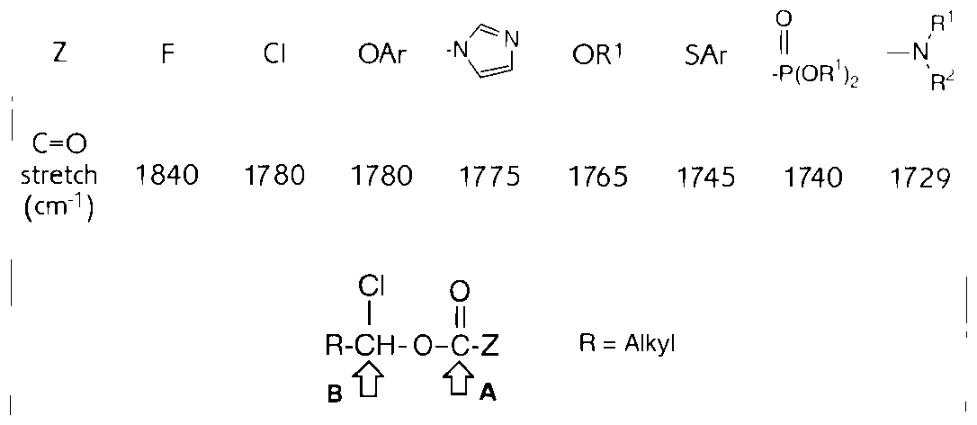
Table 3-8. Decreasing hardness order of centers A and B as a function of Z group.
The nucleophiles we studied can be placed in one of three categories :
– « Hard » nucleophiles : F−, R-COOH, ROH, R1R2NH, −OCN.
– « Borderline » nucleophiles : ArO−, ArNH2, Imidazole, Br−, Cl−.
– « Soft » nucleophiles : I−, −SCN, RS−, ArS−, (R1O)R2P(=X)S−, (RO)3P, CN−.
The reactions of 1-chloroalkyl chloroformates with amines, as well as further reactions of the resulting products are not dicussed here in this section and are reserved for section 3-3.
One of the first representative reaction with hard nucleophiles we developed was the reaction of 1-chloroalkyl carbonates with fluorides anion. This reaction proceeds through A1 attack mechanism, which is in accord to the HSAB theory, thus converting 1-chloroalkyl carbonates to fluoroformates in good yields (Ref. 91).
In the preferred literature, most fluoroformates are prepared from their analogous chloroformates through halogen exchange using excess KF activated by a little 18-Crown-6. However, this method proved to be impractical for tertiary alkyl fluoroformates and/or benzyl fluoroformates, either because the corresponding chloroformates are not stable or because of the lack of selectivity of the fluoride attack. Acylation of the respective alcohols with COF2 or COFCl requires complex equipment not accessible to standard laboratories and/or multipurpose plants.
When the easily available 1-chloroethyl carbonates (RCHCl-OCO2R1 ; R = CH3) are heated, neat or in solution (benzonitrile or diglyme) with KF in the presence of 18-Crown-6, they fragment to aldehydes and fluoroformates in good to excellent yields (Ref. 92) as shown in table 3-9.
Table 3-9. Fluoroformates prepared from 1-chloroethyl carbonates.
| R1 | Catalyst (18-C-6) mole/% | Solvent | Temp/press °C/mm | Time h | Yield % | bp °C/mm [mp. °C] |
|---|---|---|---|---|---|---|
| t- Butyl | 6 | None | 70/37 | 30 | 84 | 40-2/175 |
| t. Amyl | 5 | None | 70/14 | 34 | 83 | 35-6/36 |
| 1-Adamantyl | 4 | None | 120/1.2 | 36 | 76 | [30-2] |
| Benzyl | 5 | None | 55/1.2 | 4 | 60 | 44-6/1 |
| Cholesteryl | 9 | Ph-CN | 40/3 | 31 | 82 | [114-7] |
| Phenyl | 5 | None | 75/20 | 1.5 | 70 | 60-3/20 |

It should be noted that this new methodology exemplifies an unusual conversion of an ester to an acid halide.
Because the radical R = CCl3 inductively increases the hardness of the electrophoric center A and makes 1,2,2,2-tetrachloroethoxide anion a better leaving group than 1-chloroethoxide, 1,2,2,2-tetrachloroethyl tert-butyl carbonate is a more reactive acylating agent than the analogous carbonate from acetaldehyde (R = CH3) and doesn’t require a catalyst. Thus, heating 1,2,2,2- tetrachloroethyl tert-butyl carbonate at 50°C for 8 h with KF in the polar solvent DMF under vacuum of 20 mm, with a simultaneous treatment of the distillate with ethylene glycol, pure t.butyl fluoroformate (BOC-F) was isolated in 75-79% yield [Scheme 71].
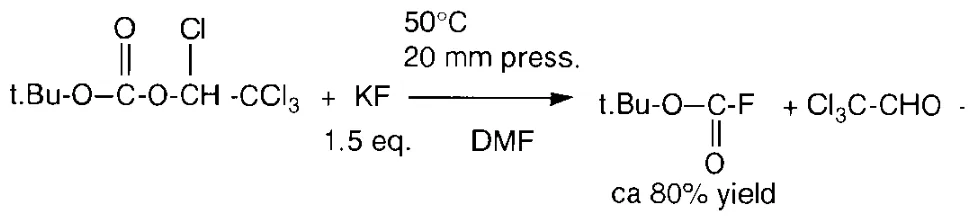
Scheme 71. Economics for commercial synthesis of BOC - F : NO CATALYST.
These results are of particular interest since t. butyl fluoroformate (BOC - F) has been highly recommended by Schnabel (Ref. 93) and Carpino (94) as a substitute for the expensive di-tert.butyl dicarbonate called (BOC)2O. Indeed, BOC - F is an extremely clean and efficient reagent for the amino protection of amino-acids into BOC-AA.
However, the reagent is not stable enough to be shipped safely because it decomposes more or less rapidly into isobutene, carbon dioxide and HF, thus developing autogenous pressure in containers. This has led SNPE and its subsidiary ISOCHEM to manufacture and react BOC-F on site, thus offering low cost protected amino compounds.
Furthermore, we succeeded in the preparation of FMOC-F (9-fluorenylmethyl fluoroformate) as a crystalline solid (mp. 41°C). This reagent exhibits the same stability as FMOC-ONSu and can be easily shipped. Compared with FMOC-ONSu, FMOC-F gives similar to superior results in the protection of amines in peptides synthesis.
Fluoroformates offer also some decisive advantages as carboalkoxylating reagents for polar reactants. While chloroformates react explosively with DMSO (Pummerer reaction) and exothermically with DMF (Vilsmeier-Haack reaction), Olofson and coworkers (Ref. 95) have found that fluoroformates are stable in this solvents below 100 °C. Several important classes of hydroxyl and amino-containing compounds only soluble in polar solvents such as DMSO and DMF can be easily and efficiently carboalkoxylated with fluoroformates. For example, percarboethoxylation of glucose was readily achieved in good yield with ethyl fluoroformate in DMSO as shown in scheme 72.
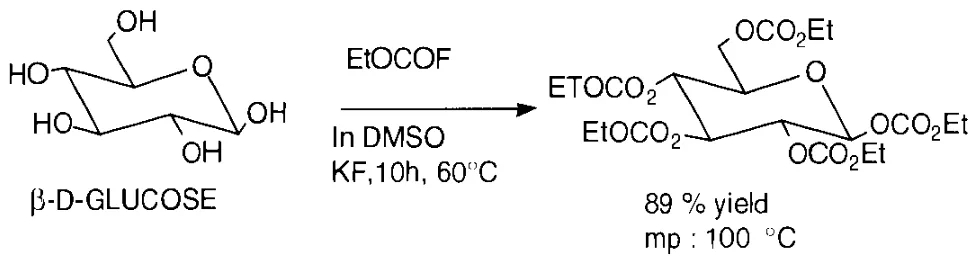
Scheme 72. Efficient synthesis of penta-O-(ethoxycarbonyl)-D-glucose.
Under selected conditions, fluoroformates included BOC-F react easily with products containing phenolic functions to afford aromatic carbonates in high yields. This result proved to be suitable for the production of valuable monomers used in resist materials for microelectronic.
Recent progress has been made in microelectronic device fabrication, particularly in microlithography used to manufacture the high-resolution circuit elements of integrated circuit (Ref. 96). Deep-UV photolithography based on chemically amplified resist is likely to be the first technology that met the severe performance criteria required. The best known chemically amplified resist is based on poly (4-t-butoxycarbonyloxy styrene) or copolymers (Ref. 97).
As shown in scheme 73, irradiation of the resist results in the decomposition of an added photoactive acid generator (Crivello’s salt) thus liberating a Brönsted’s acid, which upon heating leads to cleavage of the t-BOC protecting group. The irradiated regions are soluble in basic water and insoluble in organic solvents. Image development can be achieved either with aqueous base affording a positive-tone image or with an organic solvent to give negative-tone image.
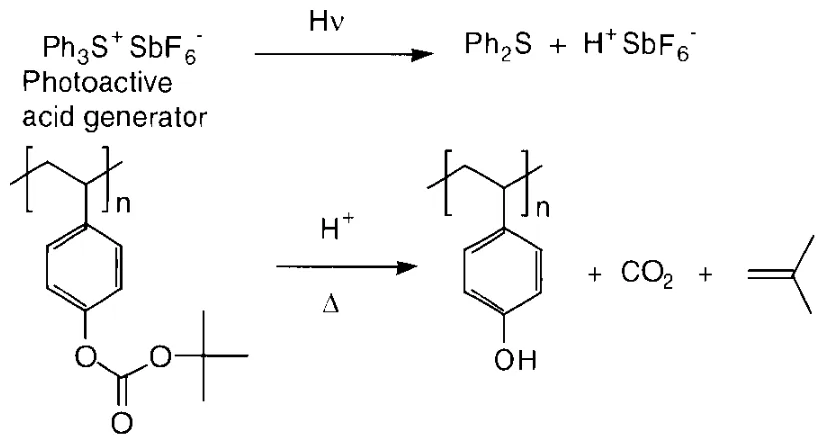
Scheme 73. Photocatalyzed removal of the BOC protecting group of poly (BOC-oxystyrene).
The required monomer, 4-t-butoxycarbonyloxystyrene, is widely described in the literature. Because 4-hydroxy styrene is difficult to isolate due to its rapid polymerization, BOC-oxystyrene is generally prepared by treatment of 4-acetoxystyrene with strong base thus giving the corresponding phenoxide, immediately followed by addition of (BOC)2O in THF solution (Ref. 98).
At SNPE Group, we developed processes suitable for the manufacture of either BOC-oxystyrene from 4-acetoxystyrene and BOC-F or directly poly (BOC-oxystyrene) through reaction of BOC-F with poly (4-vinyl phenol), MARUKA Lyncur M from MARUZEN Petro-chemical Co. Ltd. As shown in scheme 74, these processes are quite simple and afford good yields (Ref. 99).
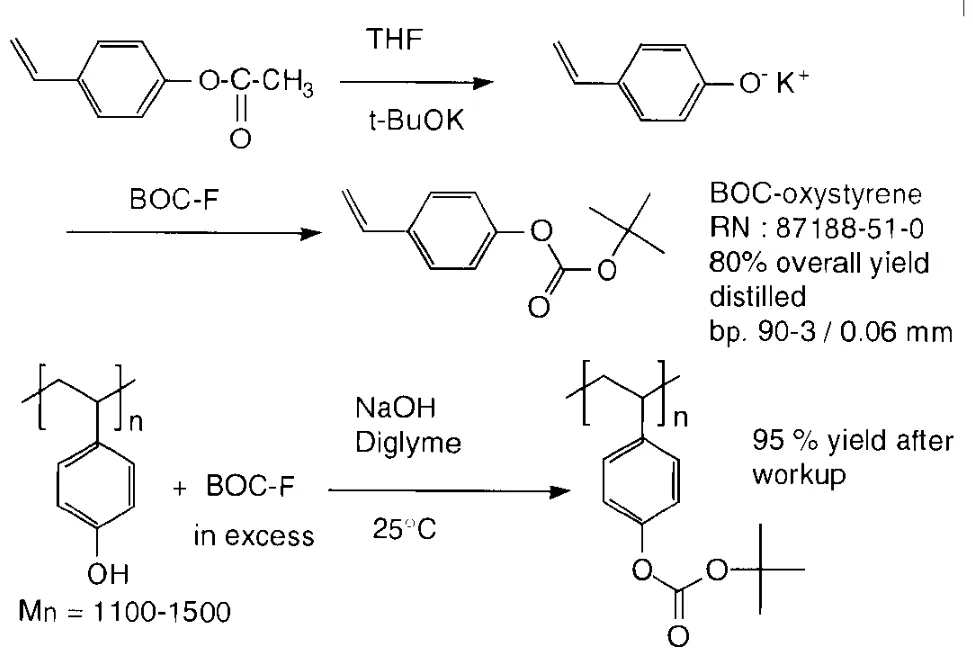
Scheme 74. Preparation of 4-t-butoxycarbonyloxy styrene and its polymer using BOC-F.
Researchers from Nippon Telegraph and Telephone Corp. disclosed positive-working resists developable with alkali aqueous solutions, consisting of a novolak resin, an acid-generating agent and 2,2-[p-(t-butoxycarbonyloxy) phenyl] propane (Ref. 100). In our laboratories, the latter was readily prepared in good yield through reaction of bisphenol A with BOC-F, using usual procedure.
Similar to the case of fluoride attack, the reaction of the soft nucleophile iodide anion with 1-chloroalkyl carbonates is in good accordance with the HSAB theory. The reaction proceeds selectively through B mechanism to give 1-iodoalkyl carbonates [Scheme 75].
The poor stability of such compounds has been already mentioned in this section. Caubère and coworkers (Ref. 78) reported that when 1-iodoethyl alkyl carbonates were heated in toluene at 75-105 °C, they decompose rapidly to form the corresponding alkyl iodides.
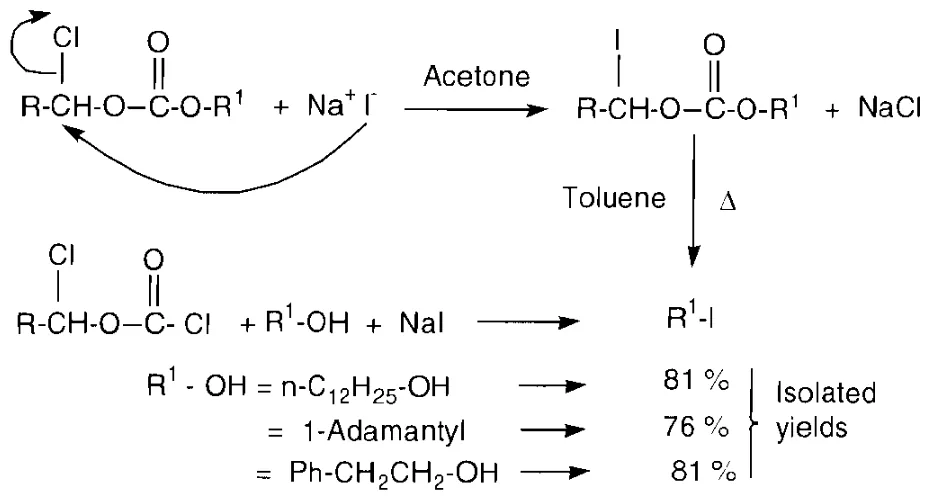
Scheme 75. New preparation of alkyl iodides.
Because during the reaction the authors observed the transient back formation of the corresponding free alcohol R1-OH, they demonstrated that the reaction can be performed one-pot from 1-chloroethyl chloroformate, alcohol and NaI, thus discovering a new preparation of alkyl iodides as shown in scheme 75.
Another example of soft nucleophile attack according to the HSAB theory was given by the reaction of thiocyanate salts with 1-chloroethyl carbonates affording the corresponding 1-thiocyano and/or 1-isothiocyano ethyl carbonates in good yields (Ref. 101).
Because of the interest of compounds containing both carbonate and isothiocyano groups in phytosanitary chemistry, the mechanism of the reaction was thoroughly studied in order to understand the origin of the N-bounded or N-bonded (in the editors’ view) compounds (Ref. 102). Some examples of the reaction are given in table 3-10.
Table 3-10. Reaction of 1- chloroethyl carbonates with MSCN in protic solvent at 20°C.
| R | M | Solvent | Time h. | (I)+(II) % | (I)/(I) + (II) | (II)/(I) + (II) |
|---|---|---|---|---|---|---|
| Et | K | MeOH | 23 | 58 | 1 | 0 |
| Et | NH4 | MeOH | 76 | 78 | 1 | 0 |
| Et | K | HCONH2 | 4 | 76 | 0.83 | 0.17 |
| Et | NH4 | HCONH2 | 4.75 | 86 | 0.85 | 0.15 |
| t-Bu | NH4 | HCONH2 | 17 | 89 | 0.79 | 0.21 |
| n-C8H17 | K | MeOH | 73 | 70 | 0.93 | 0.07 |
| Ph | NH4 | HCONH2 | 72 | 51 | 1 | 0 |

From this study, the authors concluded that most isothiocyanates (II) must be due to a N-condensation of the thiocyanate anion rather than an isomerization. Because −N=C=S is harder nucleophile than −SCN, attack of the isothiocyanate anion to the carbonyl will explain the observed decomposition.
However, the authors discovered that in acetone, in the presence of Bu4PBr but in the absence of alkali thiocyanate, thiocyanates (I) were readily isomerized under mild conditions to the corresponding isothiocyanates (II) as shown in table 3-11.
Table 3-11. Isomerization of 1-thiocyanoethyl carbonates to 1-isothiocyanoethyl carbonates.
| R | Time hours | Yield, isolated (II) % |
|---|---|---|
| Et | 72 | 81 |
| t-Bu | 13 | 81 |
| n-C8H17 | 26 | 56 |
| Ph-CH2 | 48 | 82 |
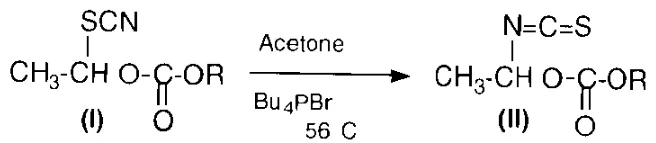
The authors proposed the mechanism given in scheme 76 (Ref. 101).
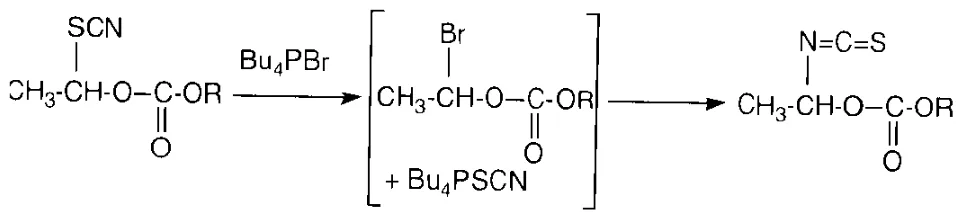
Scheme 76. Proposed mechanism of 1-thiocyanoethyl carbonate isomerization.
It could be suggested that the bromine atom would give a more marked cationic like transition state. Therefore according to the HSAB theory, the substrate would be attacked by the harder side of thiocyanate anion.
As predicted, the soft nucleophile cyanide anion reacts with 1-chloroalkyl carbonates to afford 1-cyanoalkyl carbonates in good yields as shown with the example depicted in scheme 77.

Scheme 77. Example of 1-cyanoalkyl carbonate preparation.
Scheme 78 gives two examples [reaction a and c] of the preparation of insecticidal phosphoric acid esters from dialkyldithiophosphate anions and 1-chloroethyl ethyl carbonate claimed in a patent (Ref. 103).
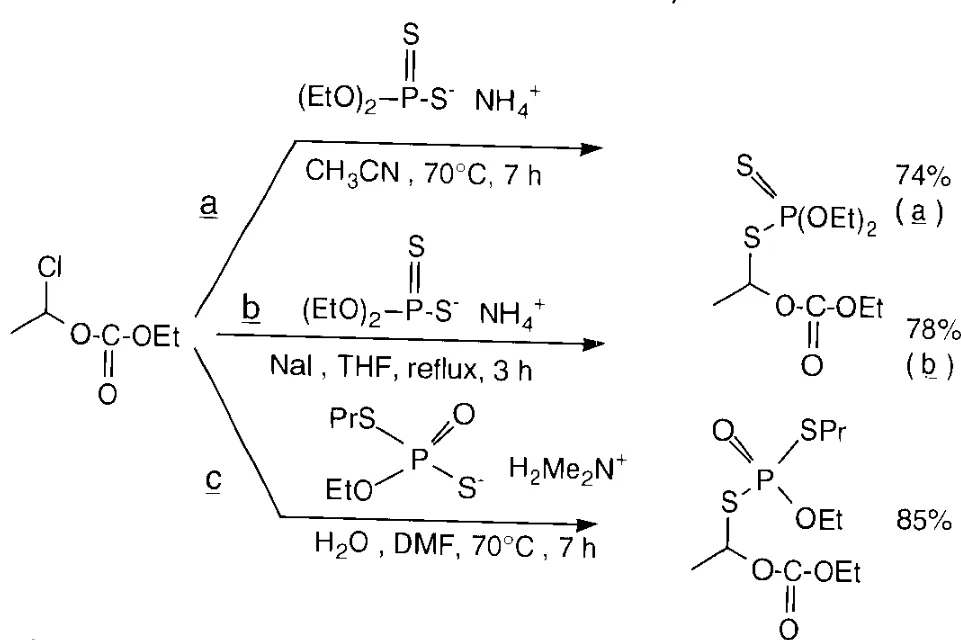
Scheme 78. Reaction of dialkyldithiophosphate anions with 1-chloroethyl carbonate.
Reaction b in scheme 78 was performed in our laboratories. In reaction c, the thiophosphate anion is an ambident nucleophile and can attack with either the oxygen or the sulfur. As found, attack with sulfur is in accord with the HSAB theory.
Some other examples of attack of 1- chloroethyl ethyl carbonate with soft nucleophile phosphorous compounds are gathered in scheme 79 (Ref. 104).
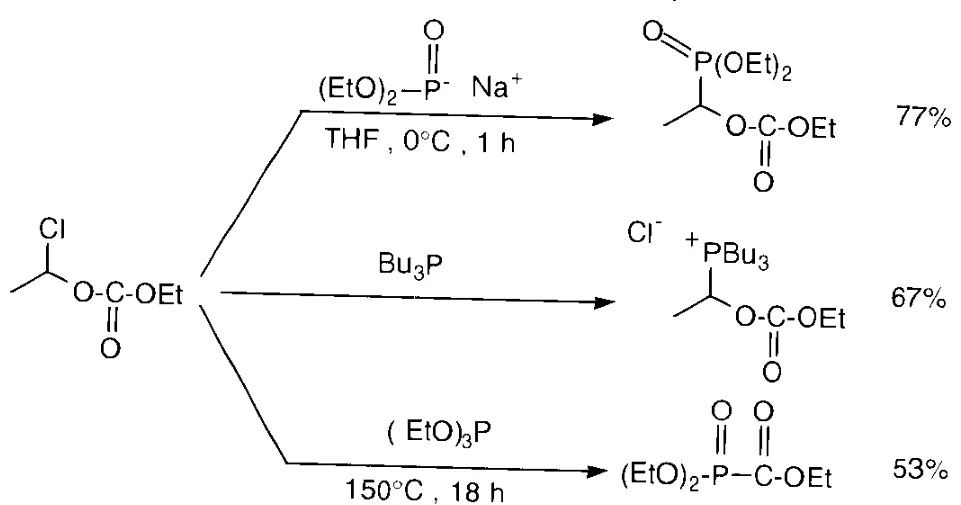
Scheme 79. Examples of reactions of 1-chloroethyl ethyl carbonate with phosphorous compounds.
The last reaction with triethyl phosphite appears to be a violation of the HSAB theory.
As already developed in the start of this section, the reaction of carboxylate anions with 1-chloroethyl carbonates is widely used for the preparation of commercial prodrugs. The hard nucleophile R1COO− attacks selectively the soft center B, that is apparently contrary to the HSAB theory. However, the required use of added NaI may favour a cation-like transition state, the cationic intermediate having therefore two hard electrophilic centers and B attack would not be in violation of the rule [Scheme 80].
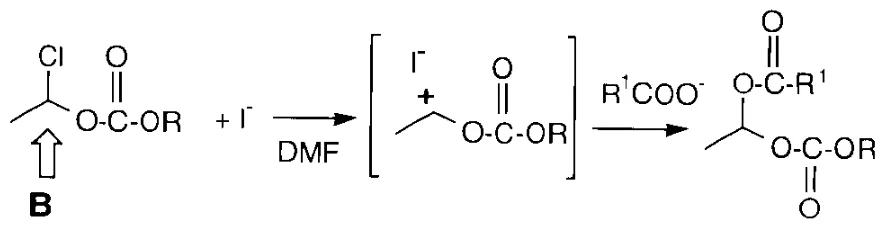
Scheme 80. Assumed mechanism of the reaction of carboxylate anion with 1-chloroethyl carbonates.
N-protected amino acids have been converted to active esters for subsequent peptide coupling by treatment with the tetrachloroethyl carbonate of N-hydroxysuccinimide, 2,4,5-trichloro penol, pentafluoro phenol, etc. (Ref. 67).
The reaction proceeds by initial attack of the carboxylate on the carbonyl and release of either chloral and chloride anion (A1 mechanism) or N-oxysuccinimide (or phenoxide) anion (A2 mechanism) as depicted on scheme 81.
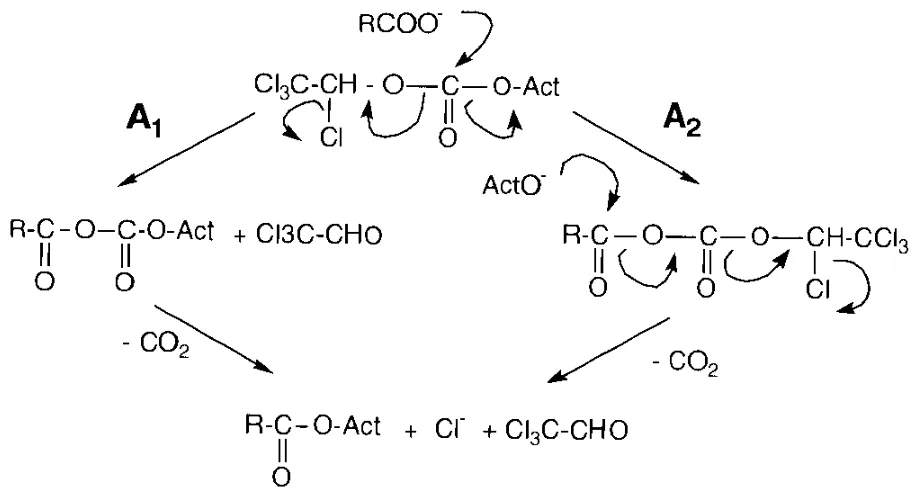
Scheme 81. Assumed mechanism of active esters synthesis using 1,2,2,2-tetrachloroethyl carbonates.
Mixed aryl and oximido tetrachloroethyl carbonates are crystalline and stable compounds easily obtained by reaction of tetrachloroethyl chloroformate with substituted phenols or N-hydroxy imides as shown in table 3-12.
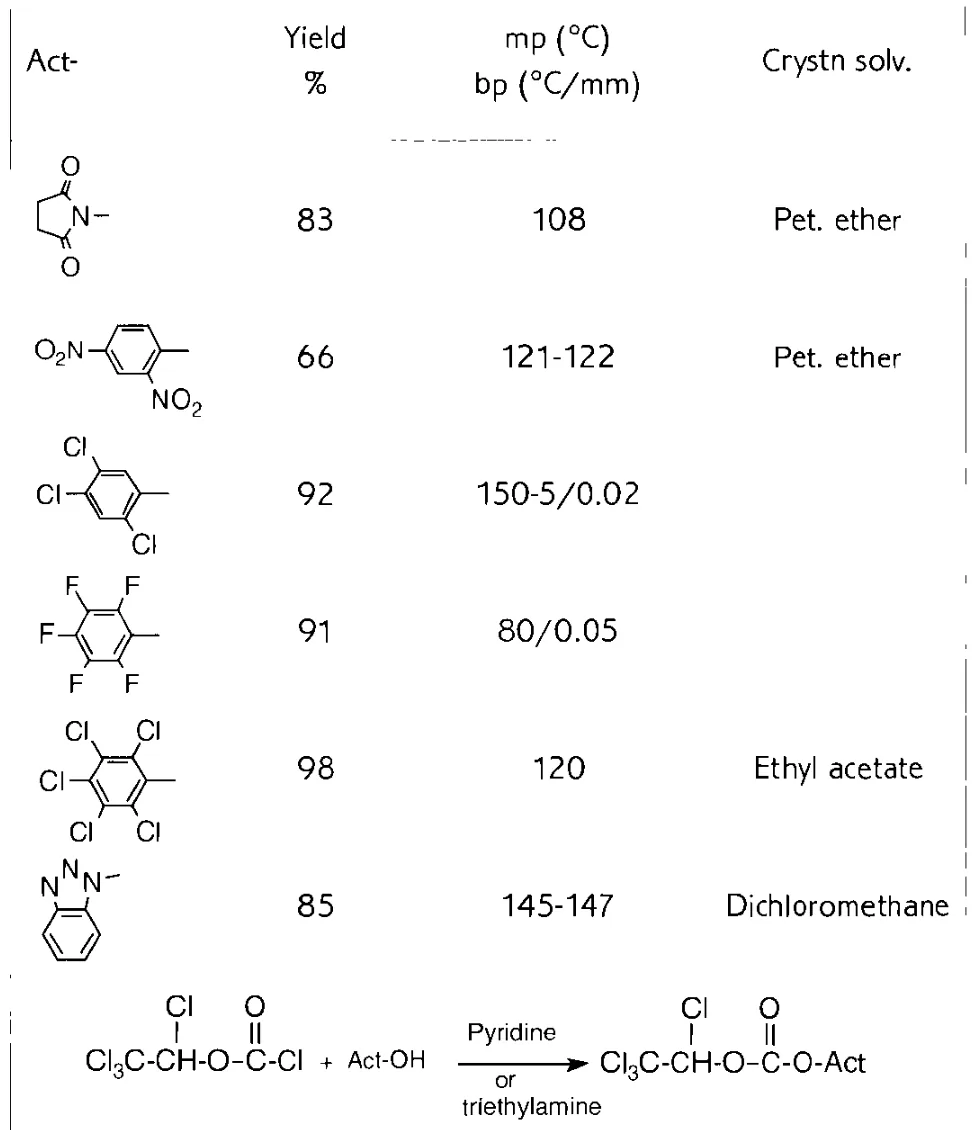
Table 3-12. Preparation of some aryl and oximido tetrachloroethyl carbonates.
The new method provides an easy preparation of N-protected amino acid active ester derivatives using cheap reagents, in a reaction where the by product is water soluble and easily eliminated from the reaction mixture. The process is illustrated by the isolation of the N-succinimidyl ester of BOC-Alanine in 94 % yield from activation of BOC-Ala with 1,2,2,2-tetrachloro-ethyl N-succinimidyl carbonate. The method will be developed in volume 2, section 4-4.
Again, according to the HSAB theory, secondary and primary amines react with 1-chloroalkyl carbonates as hard nucleophiles through A1 attack mechanism to afford carbamates in high yields. This reaction has been shown to be very general under different reaction conditions utilizing differents types of amines including amino acids (Ref. 64, 66, 105, 106, 107). Scheme 82 below displays the general picture of the reaction.
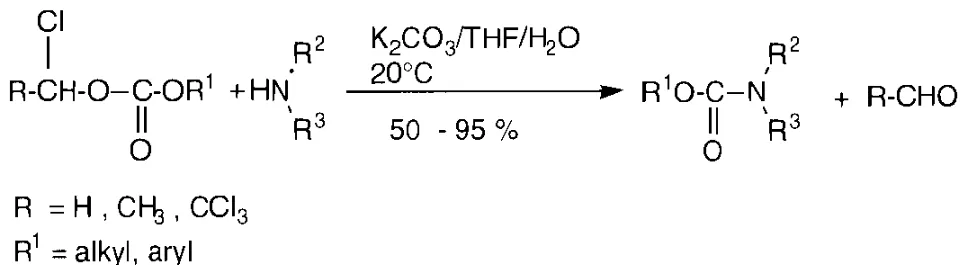
Scheme 82. 1-Chloroalkyl carbonates as reagents for the synthesis of carbamates.
In terms of the rate of the reaction and the yield, the following trends are observed :

The release of an aldehyde can be a severe limitation in the use of this reaction since the aldehyde formed can react with the starting amine to lead to a considerable decrease of the yield of the expected carbamate. However, this difficulty can be simply overcome depending on the choice of the respective structure of the carbonate and the amine, and on the reaction conditions (Ref. 64).
Therefore, 1-chloroalkyl carbonates have been proposed as new acylating agents and thus are valuable precursors to carbamates, thiocarbamates and unsymmetrical ureas as outlined in section 3-3, this volume.
1,2,2,2-Tetrachloroethyl-t.butyl carbonate (BOC-OTCE) was especially developped as a crystalline, nontoxic reagent for the N-BOC protection of amino acids (Ref. 66) [see section 3-3].
In related chemistry, the Arbusov reaction products of 1-chloroethyl chloroformate and trialkyl phosphites were easily converted into amino alkyl phosphonates as depicted in scheme 83 (Ref. 108).
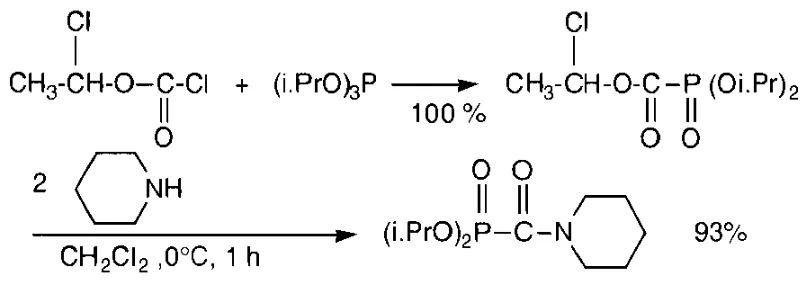
Scheme 83. Acylation of phosphonate compound.
Some interesting miscellaneous reactions have been also explored. For example, 1,2,2,2-tetrachloroethyl chloroformate reacts with carboxylic acids at 110°C without solvent to afford acid chlorides or cyclic anhydrides in high yields (Ref. 109).
Since the reaction doesn’t require any catalyst, such result cannot be explained by the decomposition of the chloroformate to phosgene and chloral. The assumed mechanism is given in scheme 84.
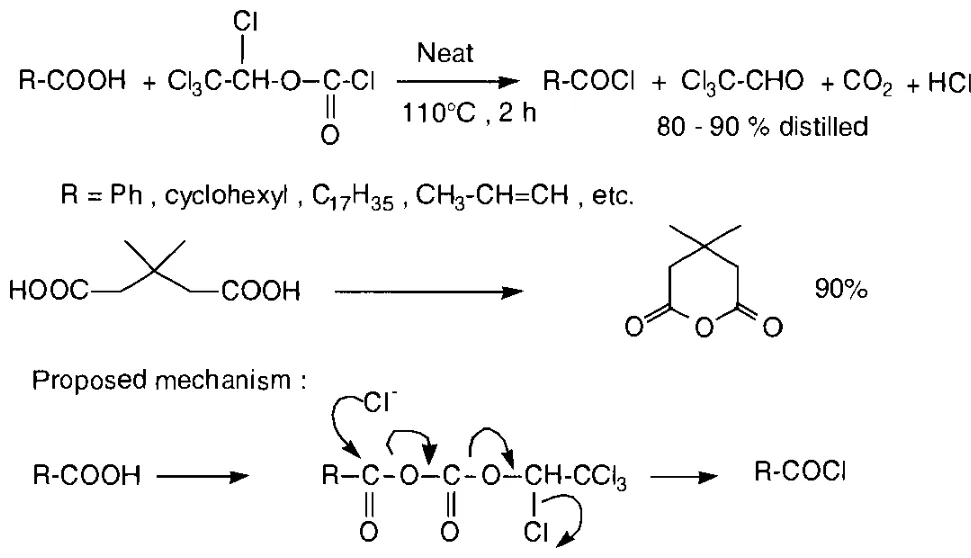
Scheme 84. Preparation of acid chlorides or anhydrides through reaction of 1,2,2,2-tetrachloroethyl chloroformate with carboxylic acids.
In another case, we have observed and studied the rearrangement of 1-chloroallyl chloroformate to E,Z-3-chloro-1-propenyl chloroformate (Ref. 110) [Scheme 85].
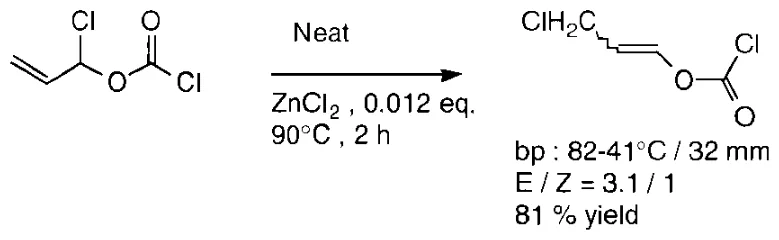
Scheme 85. Rearrangement of 1-chloroallyl chloroformate.
While studying the mechanism, we demonstrated the reversibility of the rearrangement in presence of TiCl4.