Jean-Pierre Senet - The Recent Advance in Phosgene Chemistry
3-2-2-1 Reaction of phosgene with glycerol
The reaction of large excess phosgene with glycerol does not afford the corresponding trischloroformate or trichloroformate (in the editors’ view) but a monochloroformate bearing a five membered cyclic carbonate function (2-oxo-1,3-dioxolan-4-yl methyl chloroformate (I) as shown on scheme 49. The corresponding alcohol (II) can be easily obtained through transesterification between glycerol and diethyl carbonate under basic conditions.
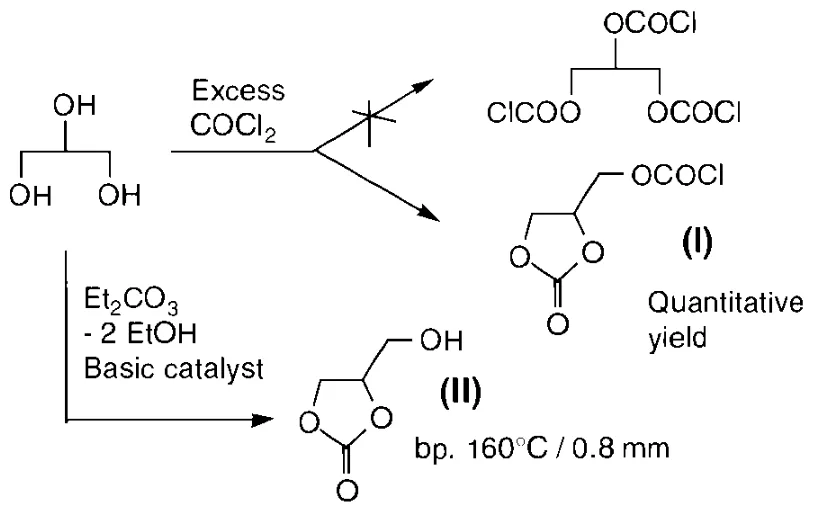
Scheme 49. Preparation of chloroformate-carbonate through phosgenation of glycerol.
The chloroformate (I) and the corresponding alcohol (II) are very interesting intermediates for numerous applications :
– Blowing agents adapted to the production of cellulated or expanded polymers (Ref. 47), for example by reaction of (II) with maleic anhydride [Scheme 50].
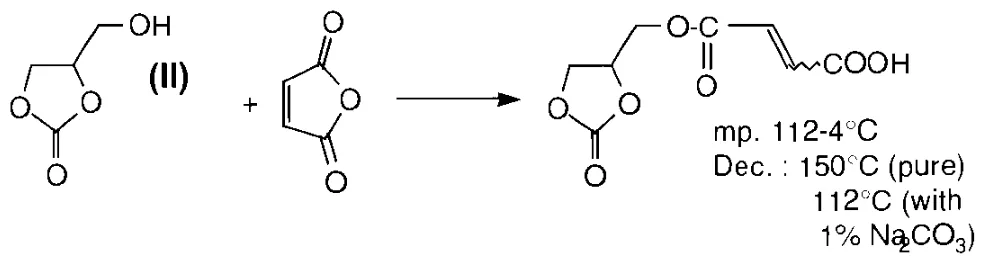
Scheme 50. Preparation of a foaming agent for expanded polymers.
– Leavening systems for preparing baked goods to supply carbon dioxide required (Ref. 48).
– Extractants for metals.
For example, compounds obtained through reaction of chloroformate (I) with trimethylol propane and with polyethylene glycol are highly effective chelating agents suitable in hydro-metallurgy to recover valuable metals ions from aqueous solutions (Ref. 49) [Scheme 51].
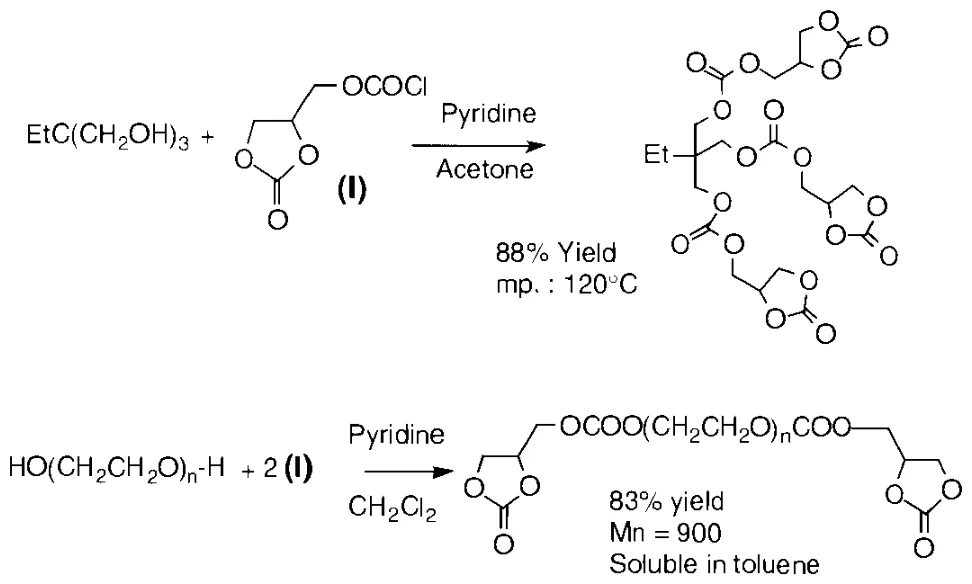
Scheme 51. Cyclic carbonates suitable for the extraction of metals from aqueous solutions.
– Paint powders for automotive, for example the reaction product of methacryloyl chloride and the alcohol (II) (Ref. 50).
– Ultraviolet-curable acrylic resins.
The reaction of chloroformate (I) with acrylic acid followed by the decarboxylation of the unstable mixed carboxylic-carbonic anhydride formed, gives the 2-oxo-1,3-dioxolan-4-yl methyl acrylate in good yield (Ref. 51). The reaction of (I) with 2-hydroxyethyl acrylate in the presence of a base affords a new acrylic monomer, SNPE code number CL 1042, in excellent yield (Ref. 51) [Scheme 52].
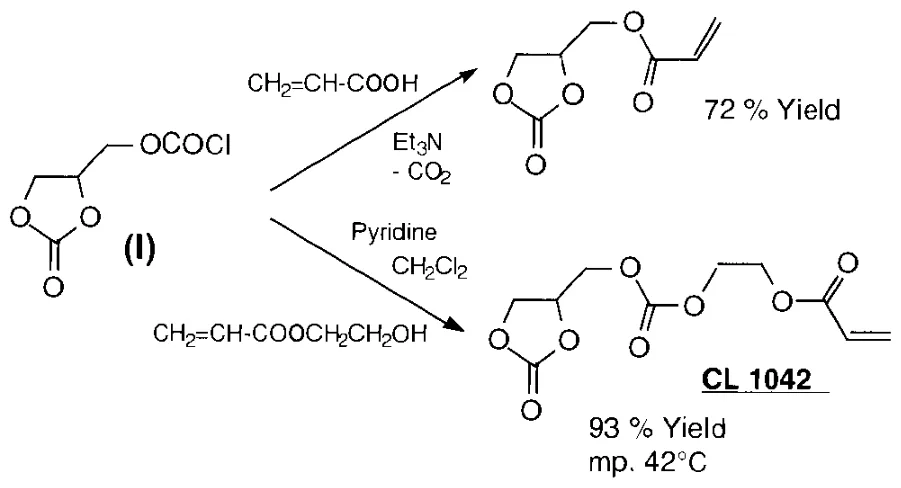
Scheme 52. Preparation of UV-curable monomers from glycerol chloroformate-carbonate.
The study of light-induced polymerization of the new compounds, especially CL 1042, demonstrated the outstanding reactivity of acrylic monomers containing five membered cyclic carbonate function (Ref. 52). Photopolymerization even occurs without any added photoinitiator.
These new monomers combine high reactivity and intensive cure to give hard but still flexible materials. CL 1042 was used in 50% amount as reactive diluent in formulation with polyurethane oligomers bearing pendant acrylate groups (Ref. 53). CL 1042 was also employed to synthesize copolymers with pendant cyclic carbonate groups. Their chemical modification by ring opening reaction provided a convenient method for preparing functional polymers (Ref. 54), as shown on scheme 53 :
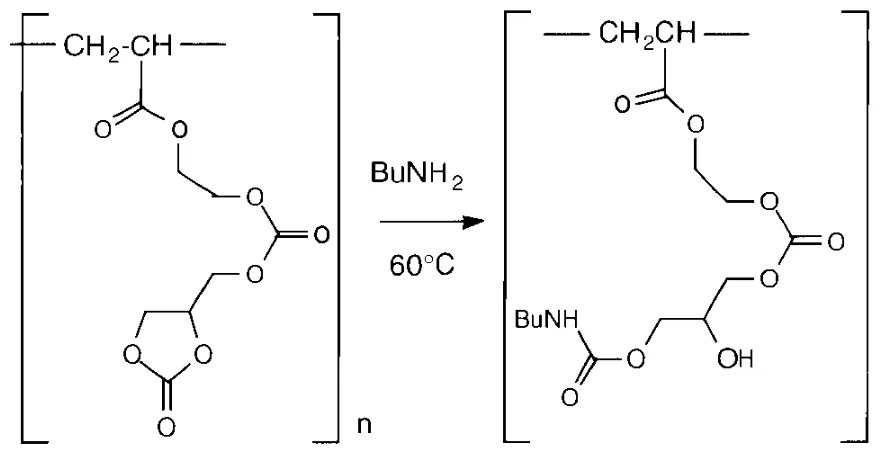
Scheme 53. Chemical modification of copolymers containing pendant cyclic carbonate functions.
3-2-2-2 Reaction of phosgene with epoxides
The reaction of phosgene with an epoxide catalyzed by pyridine to afford β-chloro chloroformates is well known (Ref. 55). Unfortunately, this reaction often leads to non regio-specific ring opening of the epoxides and produces bis-β-chlorocarbonates as side products in yield up to 20 - 30% [Scheme 54].
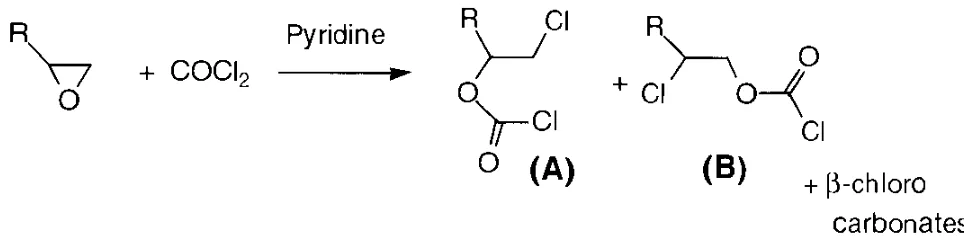
Scheme 54. General reaction of epoxides with phosgene.
When the reactions of monoalkyl epoxides with phosgene were conducted, within 2-6 h, using HBGCl or silica-supported guanidinium chloride as catalyst, neat or in toluene solution, the results are strikingly different. The ring opening reaction gave single products with C-Cl bond formation at the carbon that lacks the substituent. Moreover, the reaction did not produce any of the symmetrical carbonate. The β-chloro chloroformate (A) (see scheme 54) are thus isolated in nearly quantitative yields (Ref. 56).
For example, the phosgenation of n-butylglycidyl ether in toluene, in presence of 0.5 mol.% HBGCl at 30°C within 2 h, gave the corresponding 1-chloromethyl-2-n.butoxy ethyl chloroformate in 96% yield. This chloroformate is the key starting material for the preparation of an intermediate carbamate used in the « Febarbamate » manufacture as shown in scheme 55.
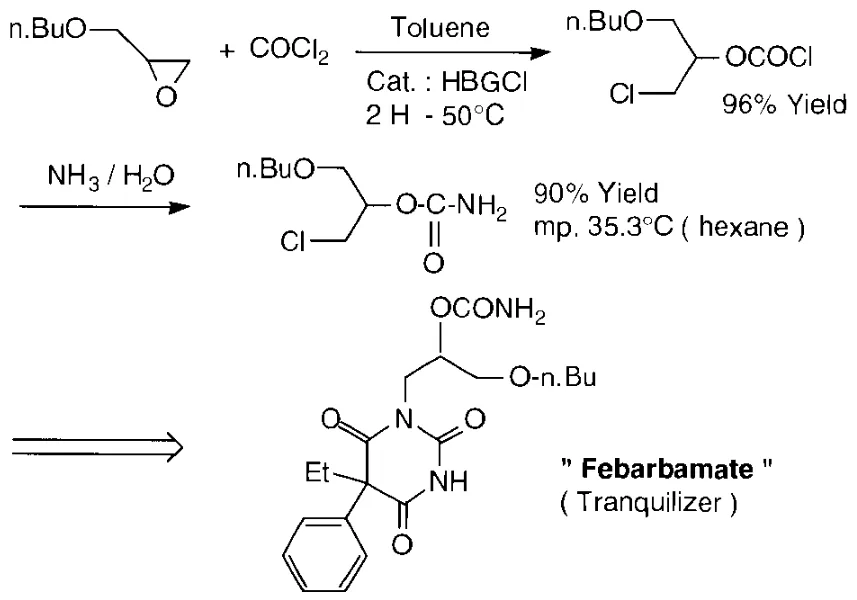
Scheme 55. Preparation of intermediate carbamate for a pharmaceutical manufacture.
In another example, 1-chloromethyl-2-chloroethyl chloroformate was easily prepared by catalyzed addition of phosgene to epichlorhydrin using the same procedure. This chloroformate is an useful intermediate for a simple preparative route to new fluoroisopropenyl carbamates (Ref. 57) depicted in scheme 56 :
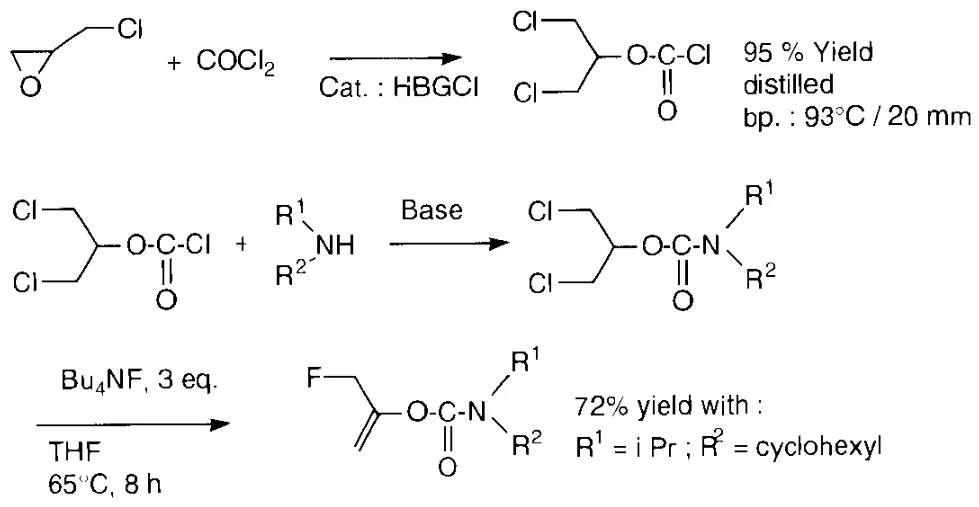
Scheme 56. New isopropenyl carbamates from phosgene and epichlorhydrine.