Jean-Pierre Senet - The Recent Advance in Phosgene Chemistry
The synthesis and chemistry of 1-alkenyloxycarbonyl species [Scheme 86] have been areas of major research interest in academic laboratories as well in the industry, especially at the early beginnings for polymers applications.
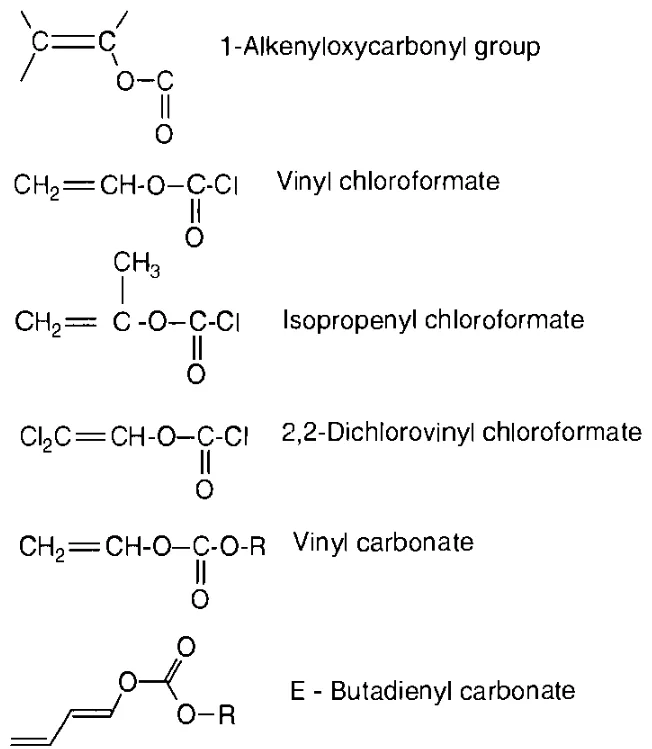
Scheme 86. Examples of vinylic oxycarbonyl species.
Much of the early work described in the literature was centered around vinyl chloroformate classically made by the gas phase pyrolysis of ethylene glycol bis-chloroformate at 460-480°C (Ref. 111, 112, 113). However, this route proved to be industrially and economically impracticable because of low yields (11-44%) and formation of large amount of chlorinated side products and tars. Scheme 87 presents the decomposition pathways of ethylene glycol bis-chloroformate.
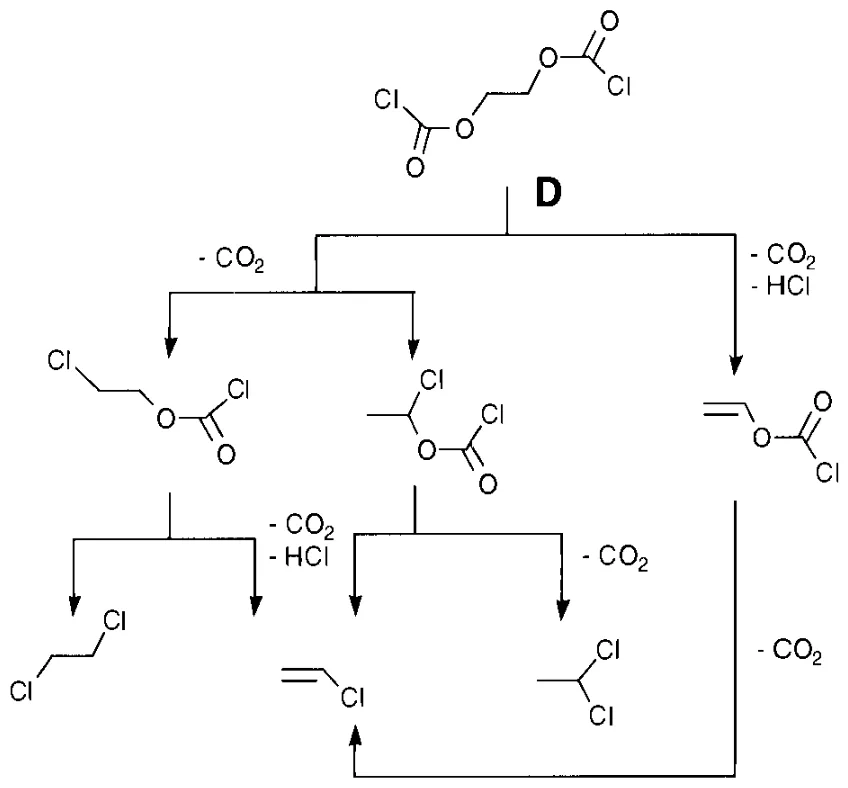
Scheme 87. Pyrolysis of the bis-chloroformate of ethylene glycol at 460-480°C.
Besides the severe difficulties encountered in the scaling up, this process was stymied by the impossibility of generalization to other 1-alkenyl chloroformates. For example in the same conditions, pyrolysis of the bischloroformate of propylene glycol affords selectively the 1-propenyl chloroformate instead of the desired isopropenyl chloroformate as shown in scheme 88 (Ref. 111).
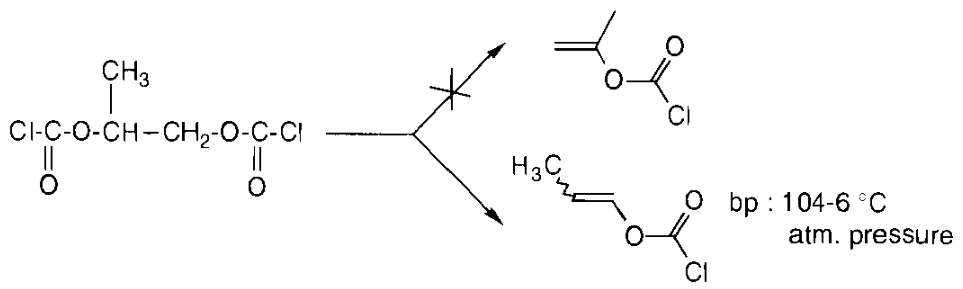
Scheme 88. Pyrolysis of the bis-chloroformate of propylene glycol.
In an obscure short paper published in 1934 (Ref. 114), Matuszak reported the first preparation of the previously unknown isopropenyl chloroformate. While working as a physical chemist at the US Bureau of Mines, he isolated this compound by microfractionation from a reaction mixture of 70 ml of acetone and 7 ml of liquid phosgene after half an hour at room temperature.
Several chemists teams in the world, as well as researchers in our laboratories attempted to reproduce this exciting simple and cheap process. Unfortunately, whatever the conditions and catalysts used, all the carried out trials failed and the only products isolated were mesityl oxide and various chlorinated compounds. The conclusion of most investigators was that Matuszak did not isolate isopropenyl chloroformate but a mixture of chlorinated products. However, as shown in table 3-13, the properties given by Matuszak closely correspond to those of the isopropenyl chloroformate made by the mercury process (see farther on in this section).
Table 3-13. Comparison of properties of the product obtained by Matuszak and properties of the isopropenyl chloroformate made by the mercury process.
| Isopropenyl chloroformate | Boiling point °C/mm | Density 20 °C/20 °C | Refractive index 20°C |
|---|---|---|---|
| Phosgenation of acetone | 93/746 | 1.103 | |
| Phosgenation of chloro-mercuri acetone | 94.5/747 | 1.121 | 1.4138 |
In spite of numerous failures to prepare vinyl chloroformate and isopropenyl chloroformate by direct phosgenation of either acetaldehyde or acetone, we accepted the challenge to find economical routes to vinylic chloroformates and their derivatives, vinylic carbonates and carbamates.
We have shown in 1975 investigations that easily enolizable aldehydes could react with chloroformates to afford vinyl carbonates in good yields as illustrated in scheme 89.
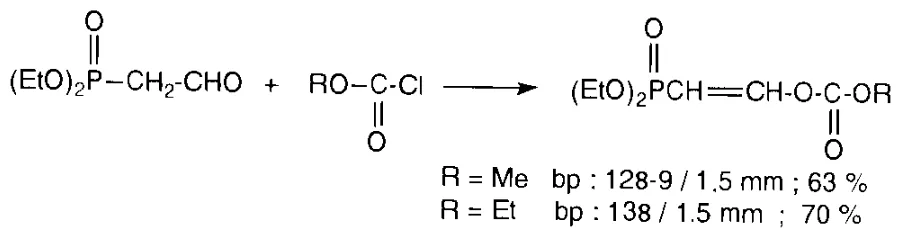
Scheme 89. Reaction of alkyl chloroformates with diethyl (2-oxo ethyl) phosphonate.
Olofson and coworkers (Ref. 115) found that reaction of ketones with LiTMP produced enolates which were specifically O-acylated with chloroformates when hexamethyl phosphoro triamide (HMPT) was added in the reaction mixture thus giving alkenyl carbonates in 49-90 % yield.
Therefore, our first idea was to O-acylate simple enolates with phosgene. In a first course of attempts, we investigated the reaction of phosgene with alkaline metals enolates. For example we prepared lithium enolate of acetaldehyde through cleavage of tetrahydrofuran by n- butyllithium (Ref. 116) and reacted with phosgene under various conditions. Unfortunately, no trace of vinyl chloroformate was found in all experiments performed [Scheme 90].
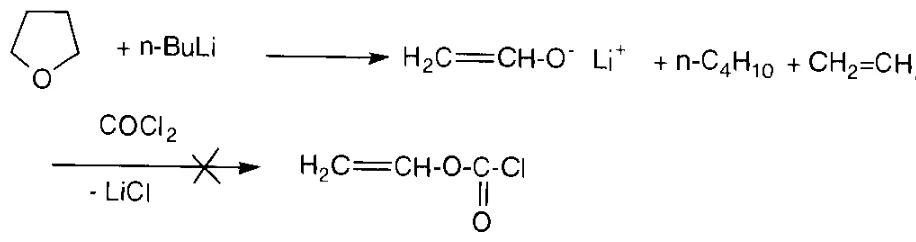
Scheme 90. Reaction of phosgene with the lithium enolate of acetaldehyde.
The phosgenation of enol silanes was studied in a second stage of our investigations. Several silyl enol ethers from acetaldehyde, acetone, cyclohexanone were prepared according to general procedures given in the literature. However, again, all the attempts failed, the only products isolated resulted from C-acylation of the enols. For example, phosgenation of the enol silane of acetone in presence of catalytic amount of mercury (II) chloride afforded 2,4,6-heptanetrione as the major product as depicted in scheme 91.
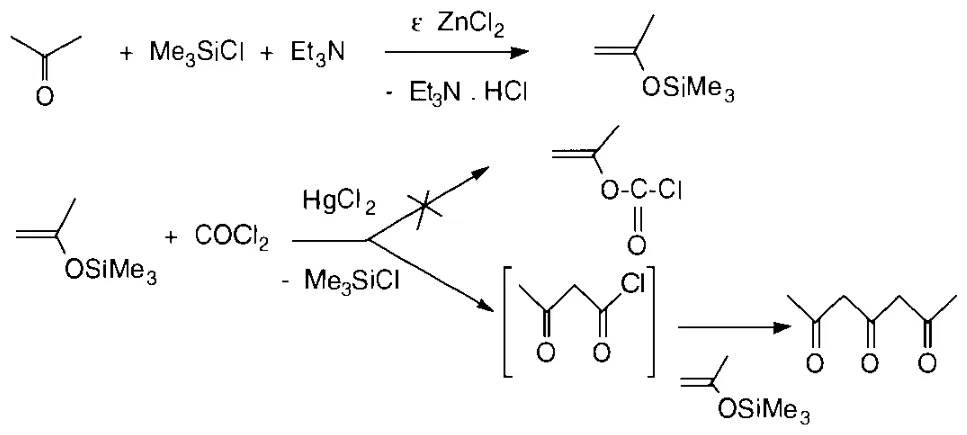
Scheme 91. Phosgenation of the enol silane from acetone.
The phosgenation of the tributyltin enolate of acetone led to the same results although some trials performed at low temperature (below - 20°C) showed the possibility to obtain small amounts of isopropenyl chloroformate. It is noteworthy that, in a recent work devoted to a new synthesis of retinal (Vitamin A aldehyde), Bienaymé from Rhône-Poulenc (Ref. 117), obtained isopropen-1-yl chloroformate in low yield through phosgenation of the reaction product of tributyltin methoxide with 1-acetoxy isoprene as depicted in scheme 92.
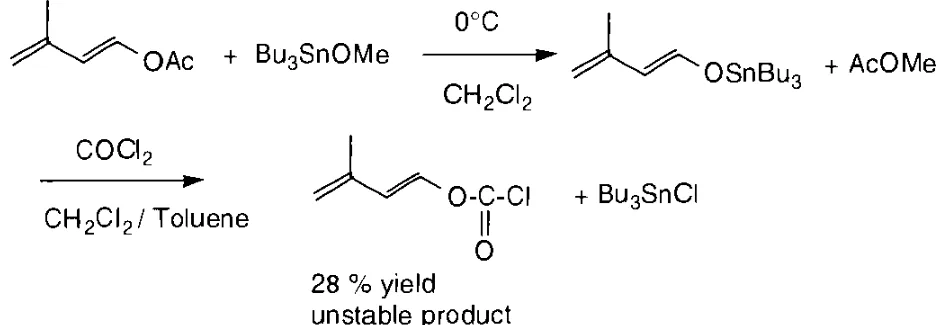
Scheme 92. Preparation of isopren-1-yl chloroformate.
At this point of our investigations, we thought that the good way to synthesize enol chloroformates may be the reaction of phosgene with α-C-metallated aldehydes and ketones. With this new course of action, we were able for the first time to obtain the desired compounds by treating chloromercury acetaldehyde or chloromercury acetone with phosgene in polar solvent.
At about the same time, Olofson and coworkers turned a similar concept into a practicable laboratory route to enol chloroformates (Ref. 118). When we became acquainted with this work, contacts were initiated which were later to provide the basis for a long collaboration in new areas of chloroformate chemistry between SNPE and Penn State University.
In the first step of the SNPE process, chloromercury acetaldehyde and chloromercury acetone are easily prepared by reaction in water of vinyl acetate and isopropenyl acetate respectively with a 1:1 mixture of mercury (II) oxide and mercury (II) chloride (Ref. 119).
In the second step, the dried chloromercurials compounds are treated with phosgene at 80°C in nitrobenzene as the key solvent (Ref. 120). Vinyl chloroformate and isopropenyl chloroformate are isolated by simple distillation in 75-85 % yield [see scheme 93].
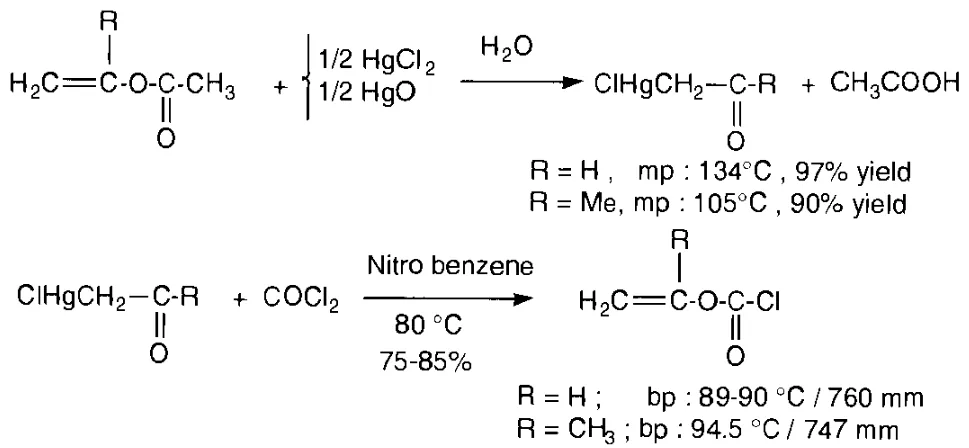
Scheme 93. Preparation of vinyl and isopropenyl chloroformates by the mercury process.
The system was designed to recycle the HgCl2 in nitro benzene without removal from the reactor. However, the process was severely handicapped by the bad reputation of mercury compounds whatever the strictly controlled safety precautions and efficient cleaning up methods used.
To circumvent the difficulty, we attempted to start from other α-C-metallated keto compounds. Thus, we prepared acetonyltetracarbonylferrate by the reaction of disodium tetracarbonylferrate (Caution : pyrophoric !) with chloroacetone in THF according to literature data (Ref. 121). Phosgenation in situ afforded isopropenyl chloroformate but in very variable and non-reproducible yields not exceeding 50 % as depicted in scheme 94 (Ref. 122).
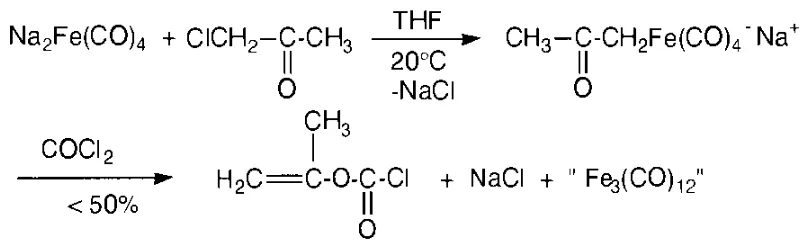
Scheme 94. Isopropenyl chloroformate through phosgenation of acetonyltetracarbonylferrate.
The studies in this area were not further pursued. However, it seems that several high-potential possibilities still remain untapped. To give just one example, the phosgenation of the reaction product of zirconium tetrachloride with acetone : Cl3ZrCH2COCH3 described by Joseph and Blumenthal (Ref. 123), should yield, under selected conditions, isopropenyl chloroformate.
In the course of other studies related to dehalogenation methods through electrosynthesis with sacrificial anode, we thought that the dehalogenation of 1,2-dihaloalkyl chloroformates should provide with an interesting route to vinylic chloroformates. In order to check the feasibility of such process, we carried out a set of exploratory experiments under aprotic conditions using 1,2-dibromoethyl chloroformate and 1,2-dibromoisopropyl chloroformate as starting materials (Ref. 124), these materials having been made by bromination of vinyl and isopropenyl chloroformates. The electroreduction was performed in an undivided cell equipped with a stainless steel cathode and a consumable zinc anode using acetonitrile as the solvent and Bu4N+BF4− as the electolytic salt. The promising results obtained are given in scheme 95.
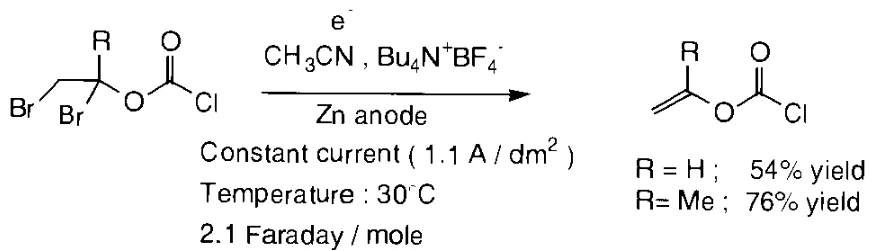
Scheme 95. Preparation of vinylic chloroformates by electroreduction of 1,2-dibromoalkyl chloroformates.
These pretty good results prompted us to find a practical route to 1,2-dihaloalkyl chloroformates.
1,2-Dichloroethyl chloroformate is a known product made by classical chlorination of vinyl chloroformate with Cl2. We have developed a new, easily practicable route by treatment of 4-chloroethylene carbonate with PCl5 at 110°C which gives a mixture of the desired chloroformate and the dichloro isomer in a 95 : 5 ratio as depicted in scheme 96. Careful fractional distillation afforded the 1,2-dichloroethyl chloroformate in 65 % pure yield (Ref. 125).
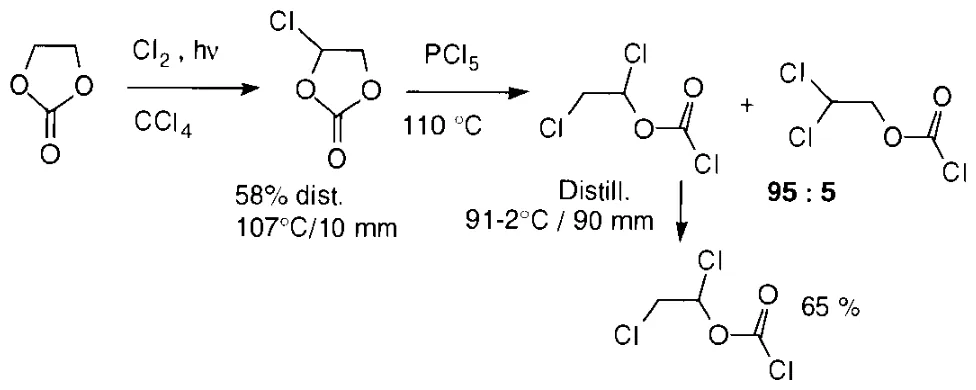
Scheme 96. Novel preparation of 1,2-dichloroethyl chloroformate.
The starting material, the 4-chloroethylene carbonate was prepared by standard photo-chlorination of the cheap ethylene carbonate as described in the literature.
Unfortunately, the dechlorination of 1,2-dichloroethyl chloroformate by the electroreduction method afforded only very bad yields of vinyl chloroformate, whatever the conditions selected. Moreover, all the attempts to prepare the 1,2-dibromoethyl chloroformate failed.
At this point of our investigations, and on account of the high commercial interest of vinylic chloroformates derivatives (see farther on in this section), we decided to focus our efforts on the synthesis of alkenyl carbamates and carbonates by methods which do not require vinylic chloroformates.
1-Chloroalkyl carbonates and carbamates are easily made from reaction of 1-chloroalkyl chloroformates with alcohols and amines through standard processes (see section 3-2-2-3, this volume) or original methods developed by SNPE research teams (section 3-3). If a simple method for the β-elimination could be devised, the ready availability of 1-chloroalkyl carbamates and carbonates would seem to make these compounds attractive precursors to vinylic carbamates and carbonates.
Olofson and coworkers discovered a relatively simple process of thermal elimination of hydrochloric acid from 1-chloroethyl carbamates to produce vinyl carbamates in high yields (Ref. 126). In a typical example, N-(vinyloxycarbonyl) piperidine was obtained in 89 % yield just by refluxing N-(1-chloroethyloxycarbonyl) piperidine for 3 h in o.dichlorobenzene containing 1.2 eq. recyclable 2,4,6-collidine as an acid scavenger [see scheme 97].
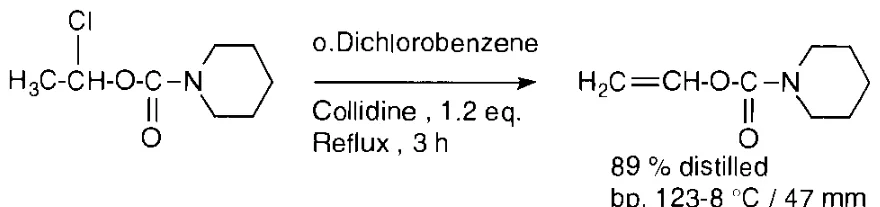
Scheme 97. Preparation of VOC-piperidine from ACE-piperidine.
Without collidine, the reaction has been proved to work but is much slower. When the methyl of the 1-chloroethyloxycarbonyl group is substituted by alkyls, the elimination is easier, probably due to inductive stabilization of the carbocation intermediate.
The effects of various conditions such as added mineral or organic salts (to catalyse the E1 elimination), temperature and solvents were carefully studied by Wooden (Ref. 127).
Some representative examples of the method are gathered in table 3-14.
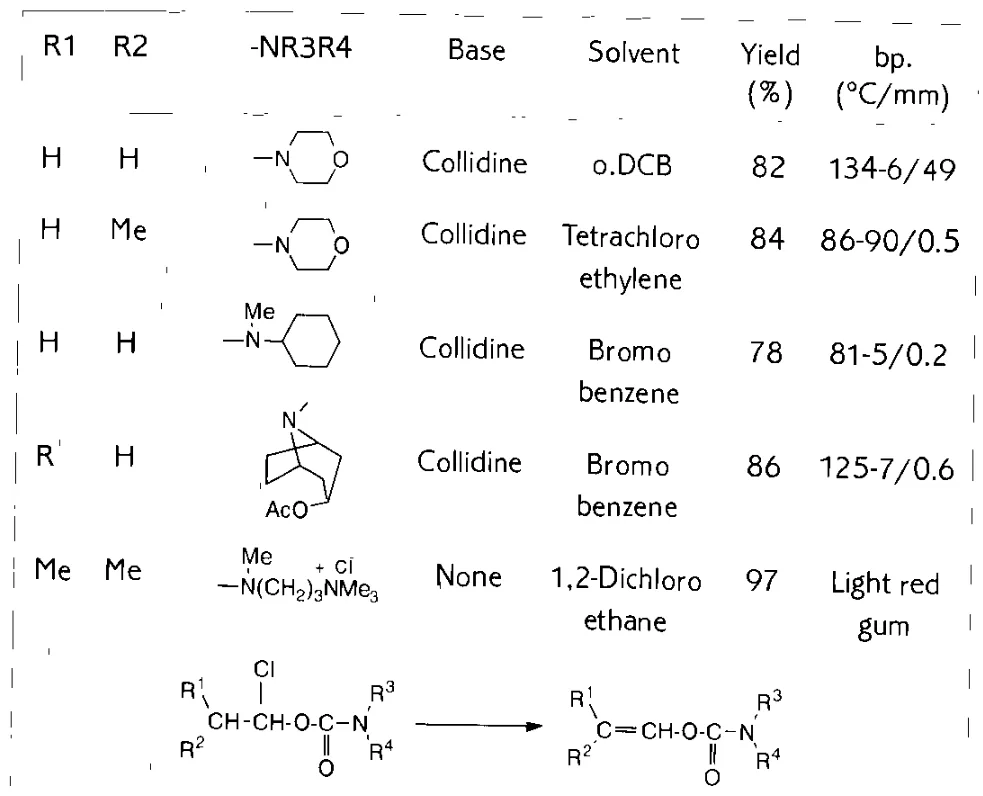
Table 3-14. Preparation of 1-alkenyl carbamates from 1-chloroalkyl carbamates.
As illustrated in table 3-14, many extra functionnalities or functionalities (in the editors’ view) are tolerated. Some moieties even catalyze the elimination by increasing salt concentration (see last example in the table).
The value of hexabutylguanidinium chloride (HBGCl or HBGCl.HCl) as an acylation catalyst has been already outlined in section 2-2 of this volume. In a later study devoted to the evaluation of potential facilitation of E1 elimination in sensitive systems by including HBGCl, Kreutzberger (Ref. 128) proposed a modification of the Wooden method based of the use of a « salt promoter ».
In refluxing tetrachloroethylene (121°C), with collidine as the acid scavenger, the guanidinium salts are superior to tetrabutyl ammonium bromide (TBAB). Moreover, the comparisons of experiments without collidine in o.dichlorobenzene under vacuum demonstrated a decisive advantage of HBGCl.HCl over TBAB as shown in scheme 98.
The efficiency of HBGCl which allows to avoid the use of collidine combined with its thermal stability at temperatures exceeding 200°C made this salt a prime candidate as « salt promoter » in this process.
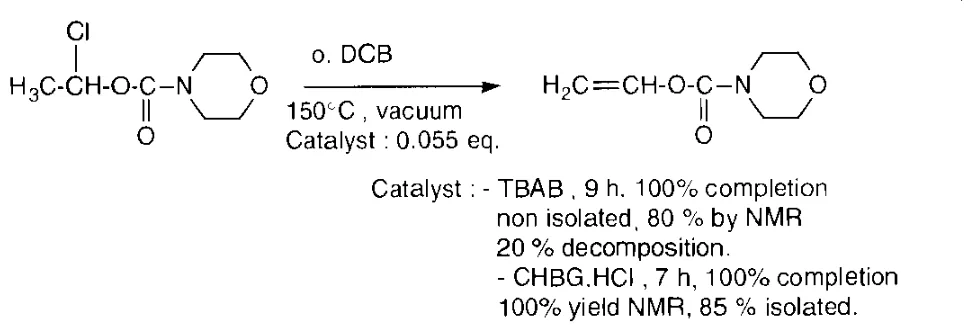
Scheme 98. Comparison of two E1 promoters in the synthesis of N-(vinyloxy-carbonyl) morpholine.
In contrast to the carbamate chemistry, thermal elimination of hydrochloric acid from 1-chloroalkyl carbonates requires much higher temperature and is accompanied by major yield destructive side reactions. The key to an economical route to vinylic carbonates was discovered by Olofson and coworkers (Ref. 129). This discovery was the consequence of a beautiful observation made by Dang, Olofson’s student, on the formation of neopentyl fluoroformate and, unexpectably of vinyl neopentyl carbonate while heating 1-chloroethyl neopentyl carbonate with KF in benzonitrile (Ref. 130).
Treatment of enolizable aldehydes with fluoroformates and KF in DMSO (55-100°C for 15-24 h) afforded 1-alkenyl carbonates in 72-92 % yield. According to Olofson’s studies, the activated fluoride anion acting as a base deprotonates the aldehyde to yield an enolate which reacts rapidly with the fluoroformate to give the desired vinylic carbonate as shown in scheme 99 (Ref. 131). Excess KF neutralises the HF which is liberated in the reaction as KHF2.
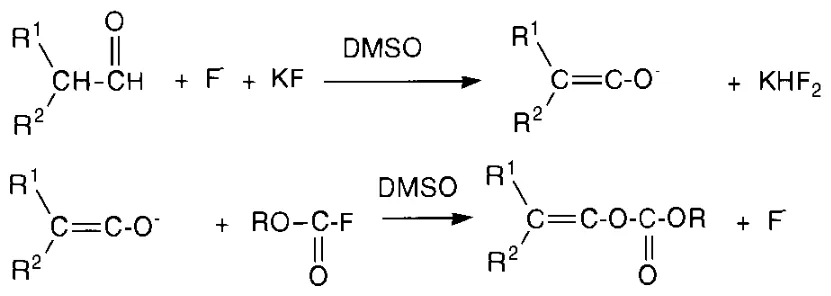
Scheme 99. Mechanism of the reaction of fluoroformates with aldehydes in presence of KF in DMSO.
Note that the reaction also can be carried out in acetonitrile if 18-crown-6 is used as a catalyst. In this latter case, chloroformates may be substituted for fluoroformates if two equivalents of KF are included in the medium.
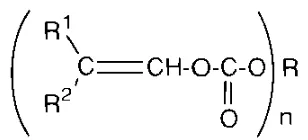
Some results obtained using the fluoroformates method are presented in table 3-15.
Table 3-15. Preparation of 1-alkenyl carbonates from aldehydes, fluoroformates and KF in DMSO.
| n | R | R1 | R2 | Temp., °C Time, h | Yield % | bp. °C/mm Hg |
|---|---|---|---|---|---|---|
| 1 | Et | H | H | 55/20 | 73 | 43-5/45 |
| 1 | C6H5-CH2- | H | H | 70/15 | 87 | 112-5/4 |
| 1 | i-Pr | H | H | 80/5 | 86 | 44-6/33 |
| 2 | - CH2CH2CH2- | H | H | 80/24 | 92 | 130-2/0.5 |
| 2 | CH2CH2-O-CH2CH2 | H | H | 90/8 | 80 | 123-30/0.7 |
| 1 | Et | Me | Me | 90/24 | 74 | 45-7/16 |
| 1 | CF3-CH2- | H | H | 80/20 | 81 | 43-4/25 |
The good yield obtained in the last experiment of table 3-15 is notable, because the 2,2,2-trifluoroethyl vinyl carbonate has been proposed as useful monomer in optical fibers applications (Ref. 132).
1-Alkenyl chloroformates, especially vinyl and isopropenyl chloroformates, as well as vinylic carbonates and carbamates have found number of valuable applications in various fields.
In order to illustrate the considerable potential of these vinylic compounds in organic syntheses, selected types of applications are presented in the following pages.
The use of vinyl chloroformate and its derivatives as monomers in the manufacture of thermoplastic or crosslinked polymers is the oldest application developed.
Polymerization and copolymerization of vinyl chloroformate (Ref. 133, 134, 135), vinyl carbonates and carbamates (135, 136) using standard radical initiators (e.g. peroxydicarbonates) to yield high molecular weight polymers and random copolymers is well documented. More recently, in a work carried out to assess the kinetics of radical polymerization of some vinyl alkyl carbonates, Ebdon and coworkers showed that contrary to the conclusions of the previous studies, the compounds can be polymerized readily to give polymers of high molecular weight with conventional radical initiators such as benzoyl peroxide (Ref. 137).
The chemical modification of poly (vinyl chloroformate) and its copolymers has been also studied. Treatment of such polymers with amines, alcohols and phenols affords the corresponding poly (vinyl urethanes) and poly (vinyl carbonates) (Ref. 138, 139). Poly (mixed anhydrides) have been also prepared by chemical modification of poly (vinyl chloroformate) by carboxylic acids under various conditions (Ref. 140, 141, 142).
The materials obtained from polymerization of vinyl carbonates and carbamates are hard (but not brittle) clear thermoplastics with high decomposition temperatures, excellent chemical resistance and varying glass transition temperatures.
It is noteworthy that the heretofore not accessible at acceptable cost diethyleneglycol bis-vinyl carbonate called « CVD » [see scheme 100] is made in 80% yield using the fluoroformate process as depicted in table 3-15.
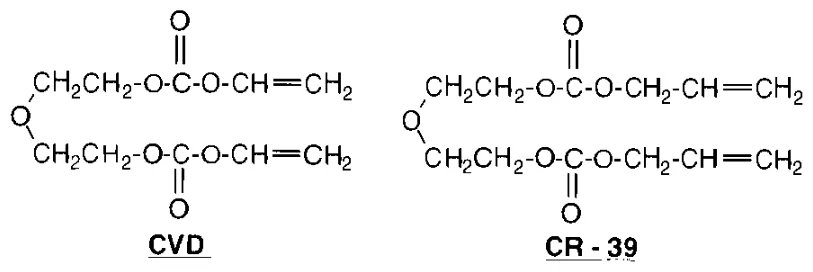
Scheme 100. Compared structures of two monomers for the fabrication of optical plastic lenses.
CVD is known to polymerize an order of magnitude more easily (Ref. 143) than the analogous bis-allyl carbonate marketed under the designation CR-39 which is the leading material for casting prescription eyewear since decades. The crosslinked homopolymer of CVD exhibits similar properties but with the advantages of much better scratch resistance and higher hardness and modulus.
Methacryloxyethyl vinyl carbonate prepared from hydroxyethyl methacrylate and vinyl chloroformate [Scheme 101] was claimed as an UV curable crosslinking agent useful in the formulation of hydrogels for contact lenses manufacture (Ref. 144).

Scheme 101. Synthesis of methacryloyloxyethyl vinyl carbonate used in the preparation of biomedical articles.
Aromatic bis-vinylcarbonates, for example the reaction product of vinyl chloroformate with bisphenol-A [Scheme 102], are recommended for the preparation of highly sensitive, high-contrast positive working resists (Ref. 145).
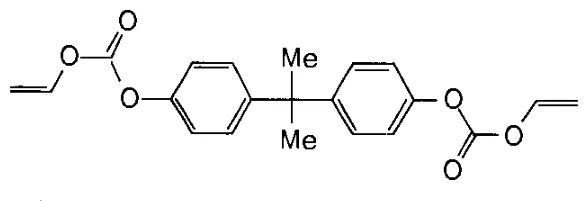
Scheme 102. Aromatic bis-vinyl carbonate for the manufacture of high performance photoresists.
New N-vinyloxycarbonyl leucine alkyl esters have been synthesized from vinyl chloroformate and polymerized to yield polymers and copolymers optically and physiologically active with liquid crystals properties (Ref. 146).
Vinyl carbonates and carbamates containing chromophore groups have been prepared and claimed as useful polymerisable photoinitiators for photoreticulable polymers (Ref. 147).
Polymers and copolymers of vinylic carbonates and carbamates may find interesting applications as aroma and flavours releasing agents. For example, isopropenyl menthyl carbonate has been patented (Ref. 148) as an useful monomer for the manufacture of a smoking composition comprising an admixture of tobacco and a menthol-release agent. Recently, Harwood et. al (Ref. 149) have published a new preparation of enol carbonates including especially isopropenyl menthyl carbonate by selective O-acylation of ketones sodium enolates generated in the presence of N,N,N′,N′-tetramethylethylene diamine (TMEDA) as depicted in scheme 103.
In our continuing trials to extent the scope of the vinylic carbonates synthesis through the fluoroformate process, vinyl menthyl carbonate was obtained in excellent yield (80%) from menthyl fluoroformate. The polymer of vinyl menthyl carbonate was also proposed as menthol-release agent. It is noteworthy that this polymer can be easily prepared by reaction of menthyl fluoroformate with poly(vinyl alcohol) in DMSO.
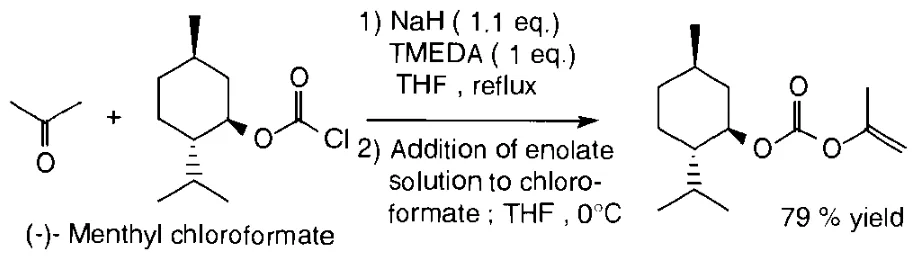
Scheme 103. Efficient synthesis of isopropenyl menthyl carbonate for the manufacture of polymeric menthol-release agents.
Vinylic chloroformates, as well as their derivatives are not limited to roles as monomers.
Initial Olofson’s publications (Ref. 150, 151) outlined the use of vinyl chloroformate (VOC-Cl) as a reagent for amine protection, especially in peptide synthesis, via the electrophile-labile carbamate. Amino acids are converted to their N-vinyloxycarbonyl derivatives by standard acylation with VOC-Cl, for example by Schnabel’s pH-stat procedure. The most significant advantage of the VOC-group is associated with its removal which is facilited by the high reactivity of the C=C bound or bond (in the editors’ view) toward electrophiles. Acid-induced hydrolysis with HCl or HBr in Ac-OH or with HCl gas through an inert solvent containing the peptide followed by warming the hydrohalide adduct in ethanol affords the deblocked peptide salt in excellent yield. The value of the methodology was underscored in an efficient process for the construction of the heptapeptide sequence, H-Ser-Phe-Leu-Pro-Val-Asn-Leu-OH (all L) (Ref. 151).
Isopropenyl chloroformate (IPCF) has no value in amine protection but appears to be the most versatile chloroformate for acid activation. Thus, IPCF was proved to be an excellent reagent for the amino acid activation in peptide amide bound or bond (in the editors’ view) formation via the mixed anhydride intermediate as depicted in scheme 104 (Ref. 152).
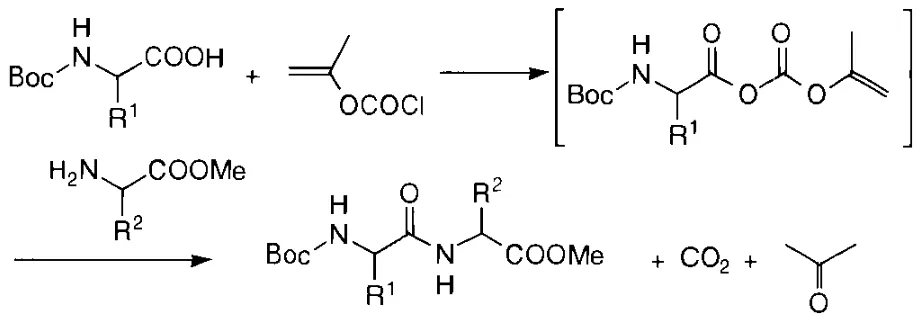
Scheme 104. Amino acid activation for peptide amide bound formation by isopropenyl chloroformate.
Reaction of N-protected amino acids activated by isopropenyl chloroformate with primary, secondary and tertiary alcohols in presence of 4-dimethylamino pyridine as catalyst affords the corresponding esters in good yield as shown in scheme 105 (Ref. 153).
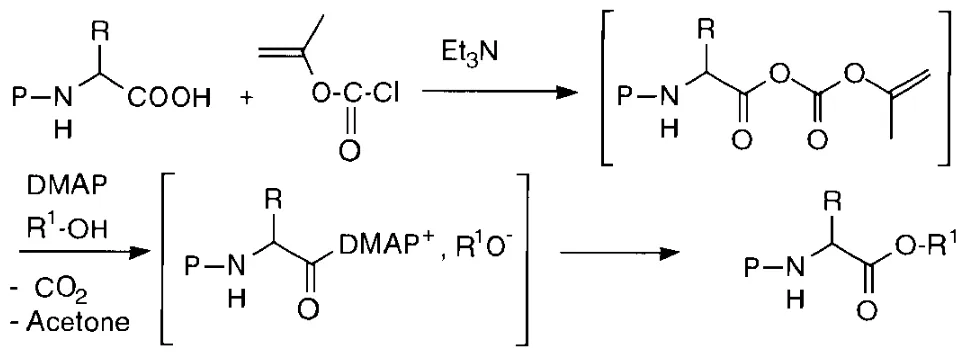
Scheme 105. IPCF activation for one-pot esterification of N-protected amino acids.
Some examples are given in table 3-16.
Table 3-16. α-Amino esters by IPCF activation of N-protected α-amino acids.
| α-Amino esters | Yields (%) | mp (°C) | [α]D, C1, MeOH |
|---|---|---|---|
| Z-Ala-OCH2-pNO2C6H4 | 78 | 99-100 | − 16.3 |
| Boc-Phe-OBzl | 92 | 64-5 | − 6.3 |
| Boc-Val-OCH2-o,p Cl2C6H3 | 85 | 110-1 | − 10.5 |
| Fmoc-Trp-O-[2,3-O-(isopropylidene glyceryl] | 65 | 61-2 | − 12 |
| Boc-Val-O(+) Bornyl | 60 | 54-7 | − 75 |
| Z-Phe-O-t.Bu | 88 | 81-2 | − 9.9 |
| Z-Pro-O-t.Bu | 90 | – | − 51 |
| Z-Trp-O-t.Bu | 60 | 70-1 | − 5.2 |
It is noteworthy that Takeda and coworkers (Ref. 154) recently proposed allyl isopropenyl dicarbonate made from isopropenyl chloroformate and sodium allyl carbonate as a convenient reagent for the preparation of allyl esters of carboxylic acids. Allyl isopropenyl dicarbonate reacts with carboxylic acids in the presence of DMAP under mild neutral conditions to give allyl esters in high yields. Allyl esters which could be deprotected by palladium catalysts are especially useful in the case of unstable compounds under acid or basic conditions, for example O-glycopeptides, penicillin derivatives, etc.
The condensation of a chiral N-protected amino acid with Meldrum’s acid in the presence of isopropenyl chloroformate and DMAP is the key for a stereospecific synthesis of N-protected Statine (Ref. 155). The novel route to Statine is depicted in scheme 106.
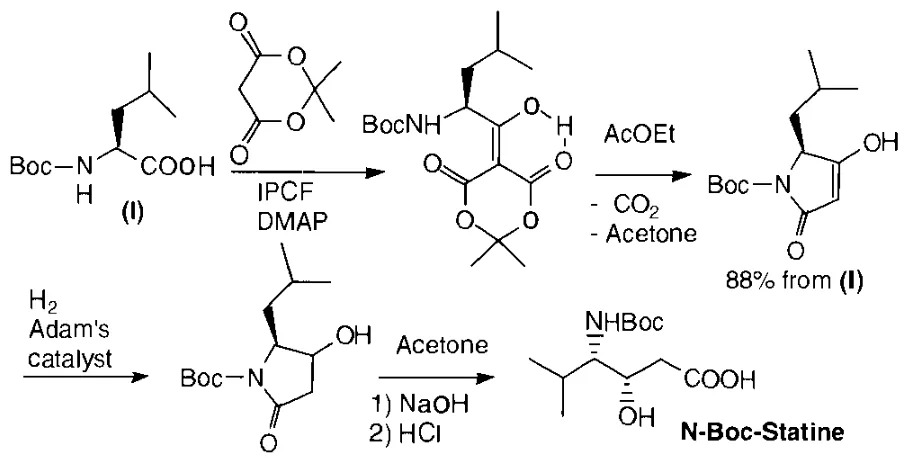
Scheme 106. Stereospecific synthesis of Statine from IPCF.
More recently, a similar synthetic strategy was utilized to prepare the Dolastatin 15 via acylation of Meldrum’s ester (156). In this work, isopropenyl chloroformate was found to give the best results of several mixed carbonic anhydrides derived from the required starting carboxylic acid when used in the presence of 5 molar equivalents of DMAP. Dolastatin proved to exhibit promising remarkable anticancer properties.
Olofson and coworkers also introduced vinyl chloroformate as a reagent for the N-dealkylation of tertiary amines (Ref. 157, 158, 159). Compared with commonly utilized reagents in N-dealkylation procedures, the use of VOC-Cl leads to significantly improved yields under milder conditions combined with greater discrimination between alkyl groups in unsymmetrical amines. The procedure is illustrated by the selective N-deethylation of N-ethyl piperidine to afford piperidine.HCl in 90% yield (Ref. 159) as depicted in scheme 107.
The N-dealkylation selectivities follow the order : benzyl; allyl; t.butyl >> s.alkyl ≥ n.alkyl >> piperidine scission.
The methodology was subsequently applied to the preparation of the potent analgesic Nalbuphine and the potent narcotic antagonists Naloxone and Naltrexone (Ref. 160).
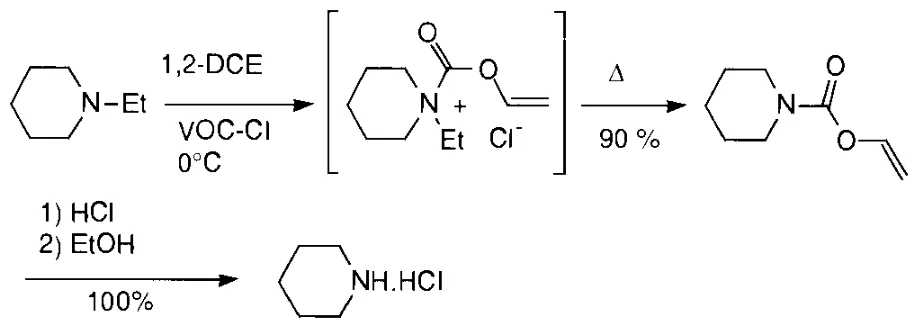
Scheme 107. N-Deethylation of N-ethyl piperidine with vinyl chloroformate.
However, vinyl chloroformate largely has been replaced for N-dealkylation by 1-chloroethyl chloroformate which shows similar dealkylation selectivities and equally easy replacement of N-alkyl by the carbamate group (see section 3-3).
Vinyl chloroformate might find interesting applications in Pummerer related rearrangements. Thus, VOC-Cl reacts with sulfoxides to yield α-chlorosulfides as shown in scheme 108 (Ref. 161). In this type of reaction, VOC-Cl is more reactive than the commonly used reagents.
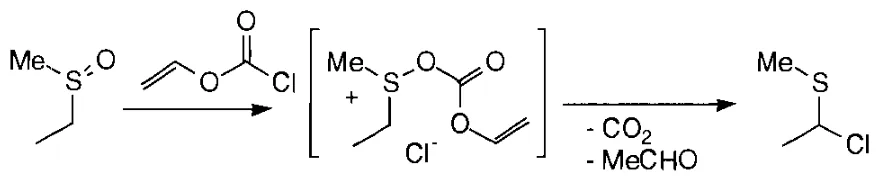
Scheme 108. Pummerer rearrangement with vinyl chloroformate.
With penicillin β-sulfoxide, VOC-Cl induces a novel rearrangement involving cleavage of the C-S-C bound or bond (in the editors’ view) as depicted in scheme 109.
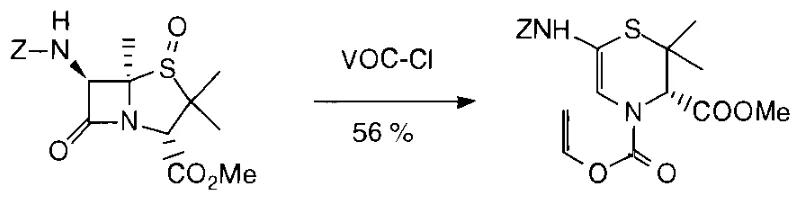
Scheme 109. Novel rearrangement from penicillin β-sulfoxide and vinyl chloroformate.
Alkenyl carbonates readily add HBr to give 1-bromoalkyl carbonates which are better alkylating agents for the modification of carboxylic acid functions than 1-chloroalkyl carbonates as already mentioned in section 3-2-2-3 (Ref. 85). For example, 1-bromoethyl isopropyl carbonate (BEIC) was prepared at pilot scale in 92 % distilled yield by bubbling HBr through vinyl isopropyl carbonate, neat, at 20-25°C as depicted in scheme 110.
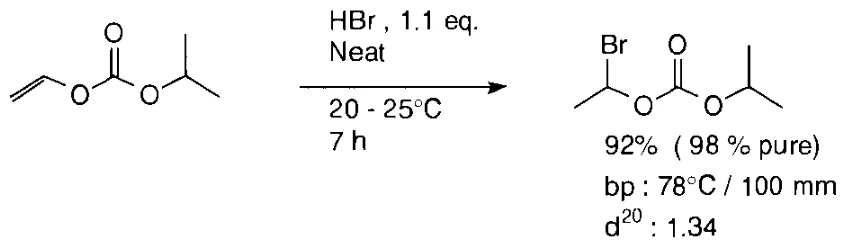
Scheme 110. Preparation of 1-bromoethyl isopropyl carbonate (BEIC).
Besides the synthesis of vinylic carbonates and carbamates, Olofson and coworkers reported a simple synthesis of 1-(1,3- butadienyl)carbonates and carbamates (Ref. 162).
Crotonaldehyde and its congeners are easily and often stereospecifically converted to trans-butadienyl carbonates and carbamates by treatment with potassium tert.butoxide followed with addition of a chloroformate or carbamoyl chloride as depicted in scheme 111. Some examples are given in table 3-17.
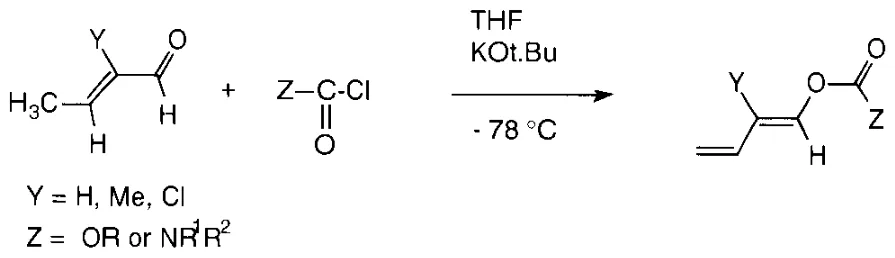
Scheme 111. Alkyl dienyl carbonates and carbamates from reaction of crotonaldehydes with KOt.Bu and acyl chlorides.
Table 3-17. Preparation of trans-1-(1,3-butadienyl) carbamates and carbonates.
| Y | Z | Yield (%) | bp (°C/mm) |
|---|---|---|---|
| H | O-Et | 83 | 42/3 |
| H | O-Allyl | 58 | 55/0.8 |
| H | O-CH2CCl3 | 68 | 99/0.7 |
| Me | O-Et | 78 | 48-51/0.6 |
| Cl | O-Et | 32 | 58-61/1.5 |
| H | N(Et)2 | 75 | 74-84/1 |
The alkyldienyl carbamates were utilized both at Pennstate University and at SNPE in parallel studies to develop a stereospecific synthesis of (±) - Hernandulcin and congeners (Ref. 163).
The intensely sweet sesquiterpene, Hernandulcin, was isolated from a plant known to the Aztecs as Tzonpelic Xihuilt or « sweet herb » (Lippia dulcis). Hernandulcin which could be considered the prototype of a new class of dietary sucrose substitutes is said over 1000 times sweeter than sucrose. However to a human panel at SNPE, while tasting synthetic Hernandulcin made by the new methodology, some aftertaste and a slight bitterness was perceived by 50 % of the persons.
In our method, the N,N-diethyl butadienyl carbamates (I) reacts both regio and stereospecifically to methyl vinyl ketone to give the cyclohexene (II) in 89% yield, which in turn adds the Grignard’s reagent (III), again regio and stereospecifically to form (IV) which, after LAH reduction and oxidation affords (±) - Hernandulcin (V) as depicted in scheme 112.
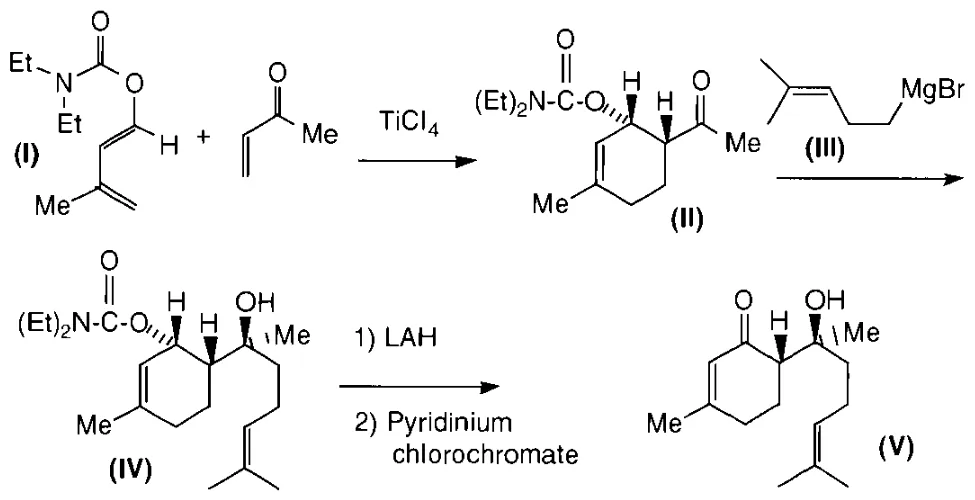
Scheme 112. Novel preparation of the sweet sesquiterpene Hernandulcin.
In the course of several investigations devoted to the synthesis of new halogen substituted carbamates and phosphonato esters for agricultural screening, we were interested in the compounds containing the 2,2-dichlorovinyloxycarbonyl unit.
Various insecticides used extensively in the world continue to take advantage of the toxicity to insects of particular patterns of halogens in the molecule. To be more acceptable than many other agricultural agents in today’s ecologically sensitive society, they must contain functionalities guaranteeing ready degradation by environmental agents.
A report published thirty years ago (Ref. 164) outlined the potential insecticidal activity of 2,2-dichlorovinyl carbamates and carbonates. However, progress in this area has been stifled because 2,2-dihalovinyl chloroformates were unknown. For the preparation of the phosphonato ester (A) assumed to exhibit interesting insecticidal properties as compared to the well known insecticide Dichlorvos, we needed the heretofore unknown 2,2-dichlorovinyl chloroformate [see scheme 113].
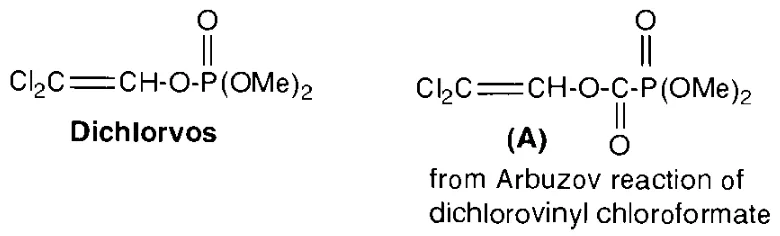
Scheme 113. Compared structures of the insecticide Dichlorvos and a parent compound containing the 2,2-dichlorovinyloxycarbonyl unit.
The facile preparation of 1,2,2,2-tetrachloroethyl chloroformate by treatment of chloral with phosgene in the presence of a reusable « naked Cl− » catalyst has been already described in section 3-2-2-3. We thought that if this chloroformate could be induced to undergo a Boord elimination of chlorine, the desired 2,2-dichlorovinyl chloroformate would be easily available as shown in scheme 114.

Scheme 114. Expected route to 2,2-dichlorovinyl chloroformate.
However, several precedents in the literature would seem to negate a favourable outcome for such a scheme. For example, the treatment of 2,2,2-trichloroethyl acetate with zinc leads to 1,1-dichloroethylene in a dramatically exothermic process. Since chloroformate anion is a better leaving group than acetate, it should compete with chloride for that role. Chloroformate ion also should be lost in an anticipated subsequent zinc-mediated elimination to yield the explosive chloroacetylene. Moreover, the well-known decomposition of chloroformate in presence of zinc salts provides another problem.
Despite these strong omens of failure, the reaction was successfully performed (Ref. 165, 166). When zinc dust was added in small portions to a solution of 1,2,2,2-tetrachloroethyl chloroformate in THF at room temperature, dichlorovinyl chloroformate was isolated in 75% distilled yield. Initiation of the reaction after addition of the first portion of zinc is variable in time and no more zinc should be added until the first portion has been consumed to avoid any uncontrollable exotherm. No induction period was found in the same reaction from 1-chloro-2,2,2-tribromoethyl chloroformate but the yield of 2,2-dibromovinyl chloroformate was only 33 % [Scheme 115].
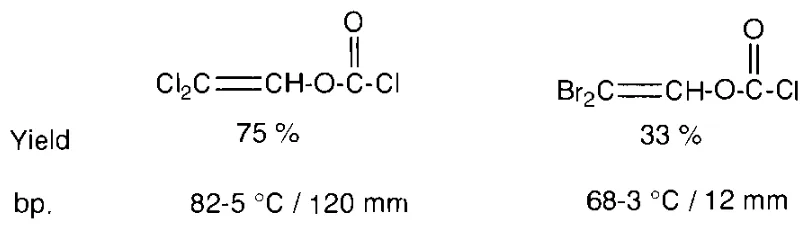
Scheme 115. 2,2-dihalovinyl chloroformates.
Both chloroformates are stable for at least several months at room temperature if all traces of the byproducts zinc salts are carefully removed by distillation.
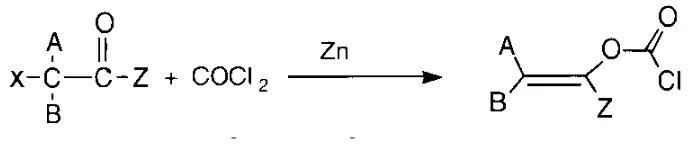
Even more surprising, we discovered that 2,2-dichlorovinyl chloroformate is isolated in 50% distilled yield when chloral is treated with phosgene and zinc dust in methyl acetate (Ref. 167). Efforts were made to generalize this process by extending the reaction to other α-chloro and α-bromo aldehydes and ketones as shown in table 3-18 (Ref. 167).
When Z is hydrogen, alkyl or aryl, the chloroformate is obtained only when A and B are halogen or alkyl but not hydrogen.
Table 3-18. Preparation of substituted vinylic chloroformates from α-halo carbonyl cpds.
| A | B | Z | Yield (%) | bp. (°C/mm) |
|---|---|---|---|---|
| Cl | Cl | Ph | 66 | 86-8/0.4 |
| Me | Me | Ph | 54 | 57-74/0.5 |
| Me | Me | CN | 67 | 80-3/10 |
| Me | Me | P(O)(OMe)2 | 83 | – |
| Cl | Me | H | 56 | 68-71/52 |
| -(CH2)5- | H | 59 | 48-50/0.7 | |
| Me | -(CH2)4- | 68 | 80-2/8 | |
It is noteworthy that the reaction applied to 2,2-dichloro-1,3-cyclohexane dione leads to the previously unknown dichlorocyclohexenone through a clean decomposition of the intermediate enol chloroformate as depicted in scheme 116.
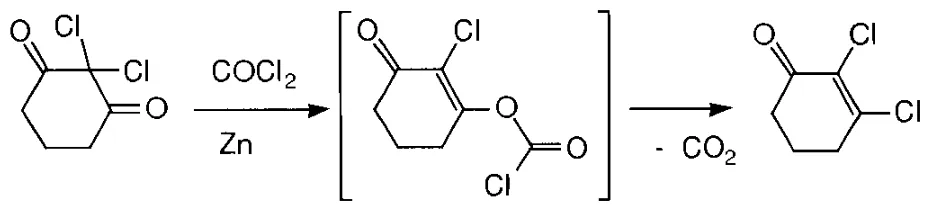
Scheme 116. Preparation of 2,3-dichloro-2-cyclohexen-1-one.
The value of being able to include cyano and phosphonato groups among allowed Z substituents is of particular interest. Several model experiments were carried out to guarantee the efficiency of these enol chloroformates as acylating agents. Thus, many carbonates, carbamates, phosphonato esters have been obtained in good to excellent yields from reaction of the new chloroformates with alcohols or phenols, amines, trialkyl phosphites (Ref. 168).
Significantly, 1,2-dichlorovinyl carbonates and carbamates may have an interesting future as specialty monomers, for example as core materials in all-plastic optical fibers.
It is known that the optical absorption which is the major drawback of the classical plastic materials such as PMMA, is dominated by the higher harmonics of the carbon-hydrogen stretching vibrations. The value of polymers from 2,2-dichlorovinyl chloroformates derivatives has to do with their lower optical absorption as compared to standard plastics in the visible and near-infrared regions of the spectrum (0.6 to 1.5 µm). Some new 1,2-dichlorovinyl carbonates prepared by standard procedures in 90-95 % yield for that purpose are gathered in table 3-19 (Ref. 169).
Table 3-19. New vinylic carbonates as monomers for optical fibers applications.
| Entry | Monomer | bp. (°C/mm) | ND20 | Density20 |
|---|---|---|---|---|
| 1 | Cl2C=CH-OC(O)OC6F5 | 115/15 | 1.4663 | 1.658 |
| 2 | Cl2C=CH-OC(O)OCD3 | 56/15 | 1.4590 | 1.420 |
| 3 | Cl2C=CH-OC(O)OCH2CCl3 | 142/760 | 1.5005 | 1.604 |
Their polymerization and copolymerization with vinyl acetate or vinyl methyl carbonate was also studied. Whatever the radical initiator used (AIBN, benzoyl peroxide, dicyclohexyl percarbonate) the monomers are too hindered to self-polymerize.
Monomer (1) and (2) polymerize with vinyl acetate to give alternating 1:1 copolymers with an unusual head to tail structure and Tg 95°C and 75-90°C respectively.