Jean-Pierre Senet - The Recent Advance in Phosgene Chemistry
In the course of previous studies devoted to new substituted chloroformates, we were interested in the synthesis of nitro and aminoalkyl chloroformates.
Thus, for application in explosives and propellants, a safe process for the preparation of 2,2,2-fluorodinitroethyl chloroformate was developed starting from fluorodinitroethanol (Ref. 22). See table 3-1.
The case of aminoalkyl chloroformates is more complicated because of the instability of chloroformates in presence of amines. It is well known (Ref. 21) that aliphatic chloroformates decompose by two paths depicted in scheme 26 :
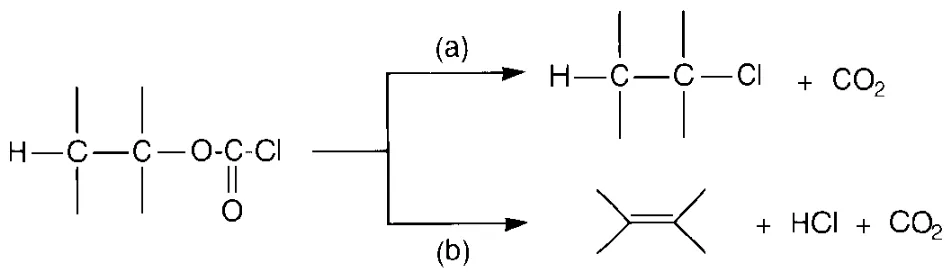
Scheme 26. Decomposition paths of aliphatic chloroformates.
Temperature of decomposition varies widely depending :
– on the structure of the aliphatic radical ;
– on the presence and nature of other compounds, especially amines or quaternary ammonium salts (SNi or SN2 mechanisms).
Therefore, the preparation of aminoalkyl chloroformates requires carefully selected conditions (Ref. 23) :
– Low temperatures (below + 10°C) ;
– Addition of amino alcohols into phosgene solutions ;
– Solvents selected in order to have a complete precipitation of the hydrochlorides ;
– Filtration carried out away from any trace of moisture.
Amino chloroformates are generally isolated as their hydrochlorides and stored under dry nitrogen at low temperature (< +5°C). They are interesting potent intermediates for pharmaceuticals. Thus, 2-(N,N-diethylamino) ethyl chloroformate is used in the preparation of new cardiovascular agents for the acylation of quinolylthiadiazinone (Ref. 24) [Scheme 27] :
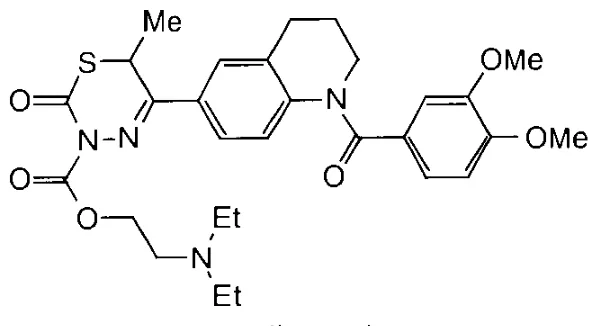
Scheme 27. New cardiovascular agent.
The manufacture of aromatic chloroformates bearing electrons withdrawing groups is posing a problem. For example, the phosgenation of p-nitrophenol in presence of a catalyst to afford p-nitrophenyl chloroformate is equilibrated. The balance is easily tipped towards starting materials by elimination of phosgene excess. As a consequence, attempts of purification by distillation give rise to the formation of 4,4′-dinitrodiphenyl carbonate and, more hazardous, phosgene according to the mechanism depicted on scheme 28 :
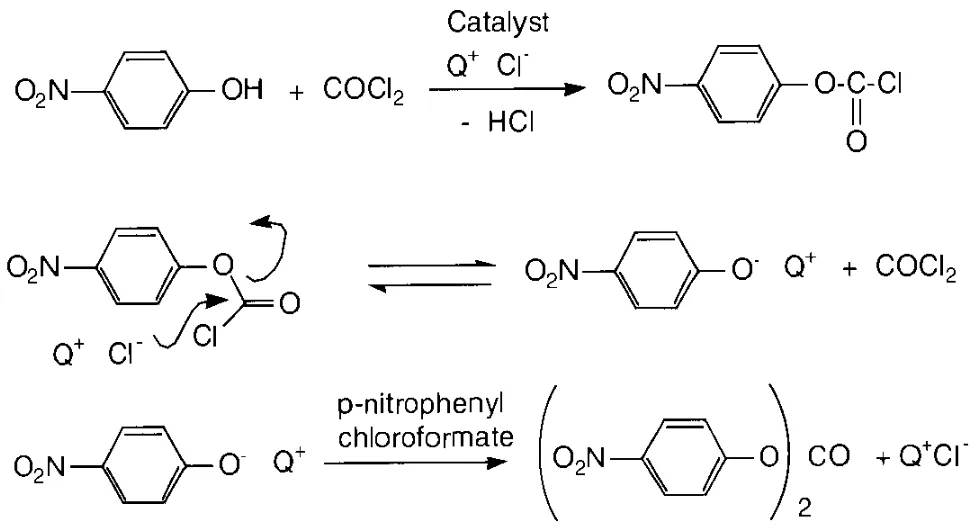
Scheme 28. The problem of p-nitrophenyl chloroformate synthesis.
Again, this difficulty was overcome by complete elimination of the catalyst from the mixture before distillation thus giving a pure and stable chloroformate.
p-Nitrophenyl chloroformate is widely used in industrial chemistry, especially as a protecting agent or as a phosgene substitute in the synthesis of urethanes. For example, a new amine photogenerator was prepared from p-nitrophenyl chloroformate (Ref. 25) according to the scheme 29.
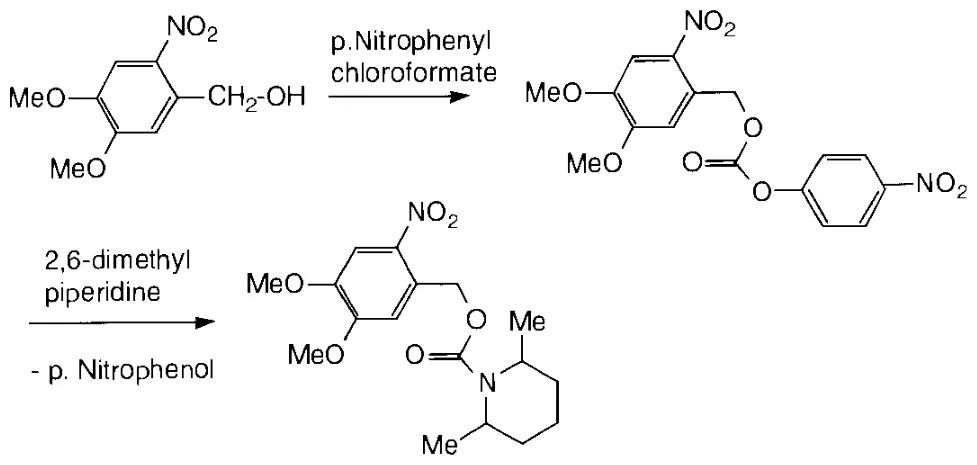
Scheme 29. Preparation of a new amine photogenerator.
In another example, p-nitrophenyl chloroformate was required to introduce a sophisticated carbamate function in a multi-steps synthesis of retroviral protease inhibiting compounds (Ref. 26). The structure of the intermediate carbonate is given in scheme 30.
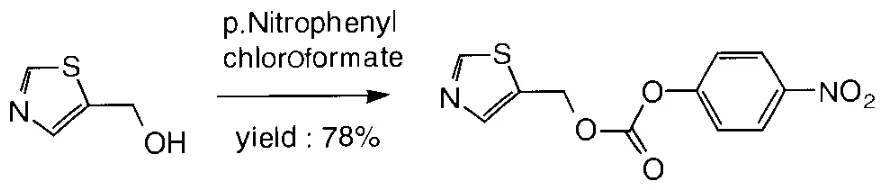
Scheme 30. Preparation of a key intermediate for the synthesis of retroviral protease inhibitors.
The final result of the reaction of phosgene with certain hydroxy compounds may depend drastically on the catalyst used. For example, the phosgenation of 3,5-dichloro-2-hydroxy pyridine in toluene, in presence of DMF, gives 2,3,5-trichloropyridine in good yields. This compound is a valuable intermediate for producing herbicides (Ref. 27). Surprisingly, we found that the phosgenation in presence of hexabutylguanidinium chloride hydrochloride (HBGCl.HCl) leads quantitatively to 3,5-dichloro-2-pyridinyl chloroformate (Ref. 28). On further heating, in presence of HBGCl.HCl, this new chloroformate decomposes slowly to afford starting material and phosgene almost quantitatively (reverse reaction, see scheme 31).
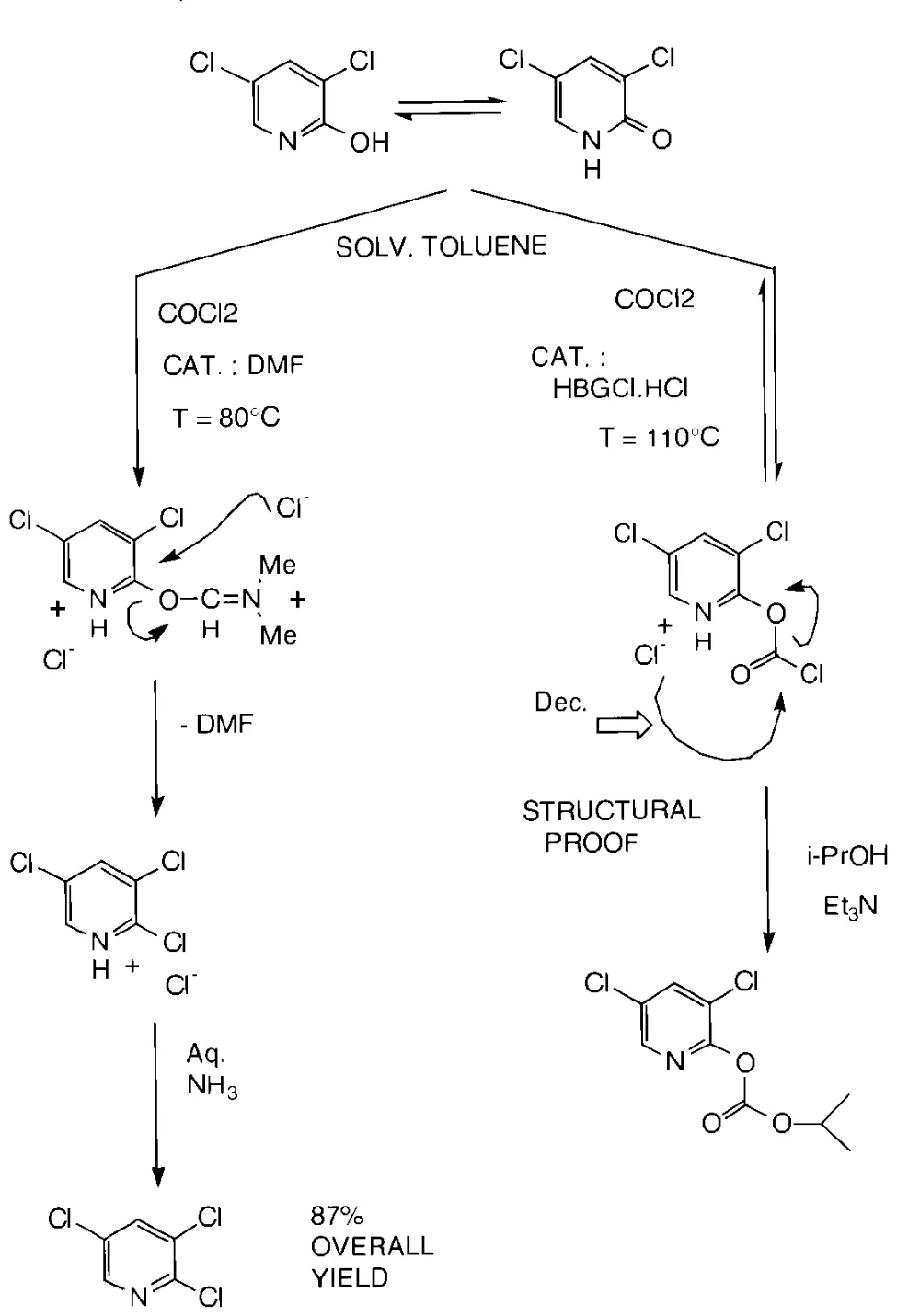
Scheme 31. Unusual reaction of phosgene with 3,5-dichloro-2-pyridone.
Phosgene in excess reacts with thiols in presence of a catalyst to afford thiochloroformates. However, in industrial processes, it is often difficult to avoid formation of side products, especially disulfides and thiocarbonates.
As already discussed in section 2-2, use of HMGCl.HCl catalyst, soluble during the reaction, insoluble after completion and removed by simple filtration, gives high quality products. For example, n-octyl thiochloroformate, useful intermediate for the manufacture of herbicides [See scheme 32] is obtained in quantitative yield, without any traces of side products. Moreover, the filtered catalyst is indefinitely reusable.
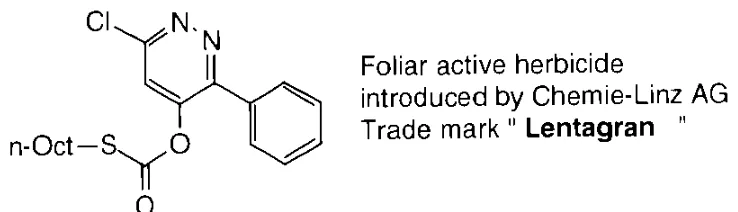
Scheme 32. PYRIDATE from n-Octyl thiochloroformate.
Chlorination of methyl chloroformate and dimethyl carbonate affords useful phosgene substitutes : chloromethyl chloroformate [I], trichloromethyl chloroformate [II] also called « Diphosgene » and bis(trichloromethyl) carbonate [III] known as « Triphosgene » [see scheme 33] :
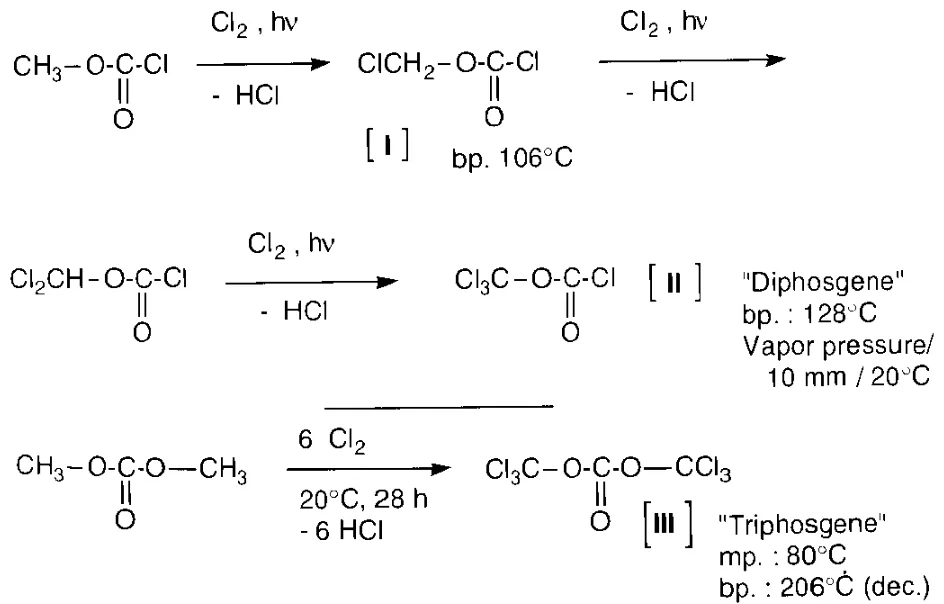
Scheme 33. Chlorination products from methyl chloroformate and dimethyl carbonate.
The properties of chloromethyl chloroformate which has been made also by phosgenation of monomeric formaldehyde (Ref. 29), are discussed further in section 3-2-2.
Some interesting relationships between « Diphosgene », phosgene (Ref. 30) and the dismutation of phosgene into carbon tetrachloride and carbon dioxide (Ref. 31) are depicted in scheme 34 :
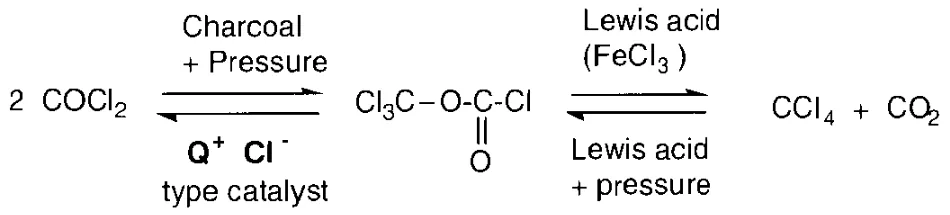
Scheme 34. Reverse dismutation of phosgene.
The reversibility of the decomposition of « Diphosgene » into carbon tetrachloride and carbon dioxide is still a controversial topic. However, the production of phosgene by reaction of carbon tetrachloride and carbon dioxide over catalysts such as Lewis acids was recently claimed in Russian patents (Ref. 32). The reaction is assumed to proceed through the formation of trichloromethyl chloroformate or bis(trichloromethyl) carbonate.
At the present time, one crucial question still remains : what is the industrial value of « Diphosgene » and « Triphosgene » as liquid and solid substitutes for phosgene ? Are the two reagents really safer than phosgene ?
Both reagents have proved to be useful substitutes for phosgene in all its main applications. Indeed, they are sold commercially as the efficient equivalents of 2 and 3 phosgene molecules respectively in processes yielding chloroformates, carbonates, carbamates, ureas and isocyanates, as well as in chlorinations, carboxylations and dehydrations (For a recent review of « Triphosgene » use in organic synthesis, see Ref. 33).
Accurate amounts can be easily weighed, limiting problems due to excess reagent. It is possible also to increase reagent concentrations compared with phosgene itself. However, there is little prospect that either reagent will be utilized in significant industrial processes.
Both reagents decompose to phosgene on heating, slowly when pure, very rapidly and quantitatively in presence of a nucleophile such as a « naked » chloride anion [Scheme 35] :
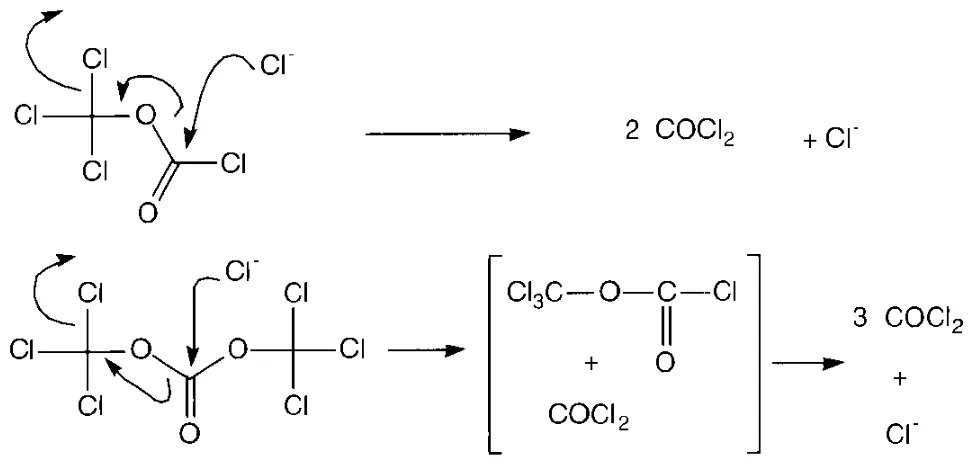
Scheme 35. Decomposition of « Diphosgene » and « Triphosgene ».
As noted by S. Damle (Ref. 34), the toxicity of both diphosgene and triphosgene is exactly the same of phosgene since both decompose on heating and upon reaction with any nucleophile. Even a trace of moisture leads to formation of phosgene.
Thus, in any transportation or handling accident, both compounds are phosgene.
The manufacture of symmetrical or mixed carbonates by reaction of chloroformates with alcohols or phenols is well documented. In the course of different studies devoted to the manufacture of aromatic carbonates, we have designed a one-step procedure that affords diphenyl carbonate in excellent yield and purity using simple equipment and no solvent [Scheme 36] :
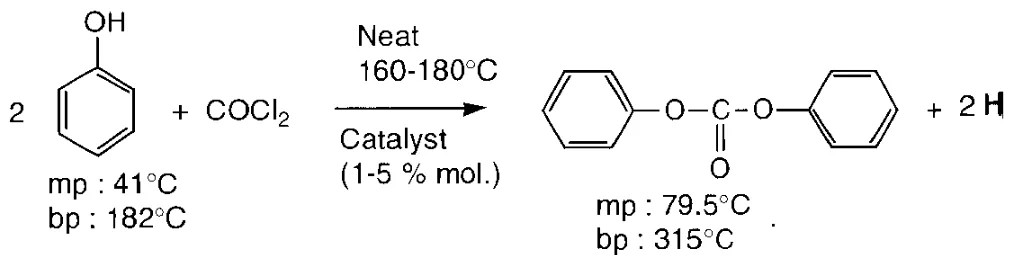
Scheme 36. Improved diphenyl carbonate synthesis.
Table 3-2 gives a comparison between some catalysts :
Table 3-2. Comparison of the efficiency of some catalysts in the synthesis of diphenyl carbonate in bulk (3% Mol. Catalyst/phenol).
| Catalyst | Temperature | Time for 100% conversion |
|---|---|---|
| HBGCl.HCl | 160 - 175 °C | 7.75 H |
| HMGCl.HCl | 165 - 170 °C | 5.25 H |
| IMIDAZOLE | 160 - 170 °C | 2.50 H |
HBGCl.HCl = Hexa n-butyl guanidinium chloride hydrochloride.
HMGCl.HCl = Hexamethyl guanidinium chloride hydrochloride.
Among the numerous applications of diphenyl carbonate, the preparation and chemistry of dichlorodiphenoxy methane appears somewhat neglected. This phosgene derivative can be prepared in good yield by treatment of diphenyl carbonate with phosphorus pentachloride at high temperature (Ref. 35) according to scheme 37 :
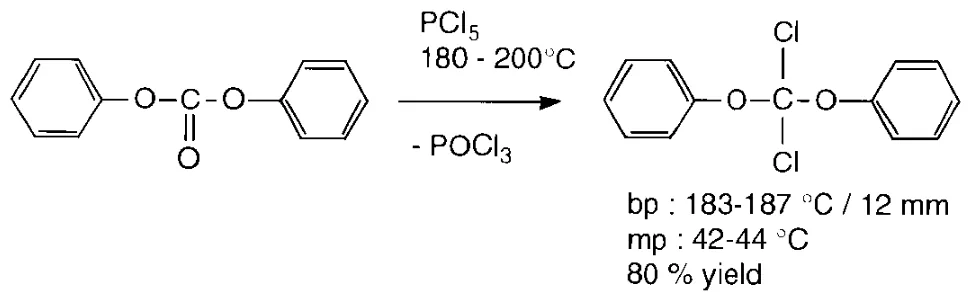
Scheme 37. Preparation of dichlorodiphenoxy methane.
Besides being a key starting material for the preparation of polyorthocarbonates, dichlorodiphenoxy methane is a versatile synthon for the construction of heterocyclic systems of medicinal interest (Ref. 36). Its condensation with cyanamide affords diphenyl cyanocarbonimidate in high yield (Ref. 35) as shown in scheme 38 :
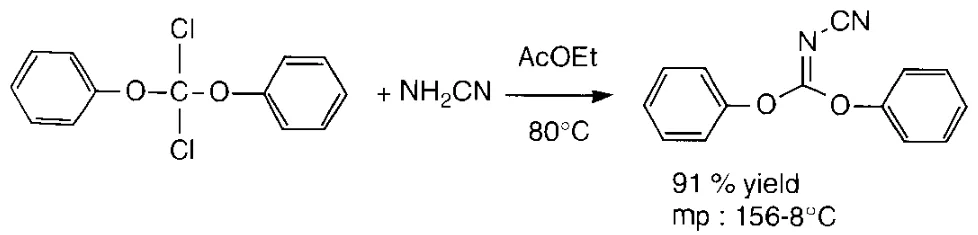
Scheme 38. Preparation of diphenyl cyanocarbonimidate from dichloro diphenoxy methane.
The availability of diphenyl cyanocarbonimidate provides a simple, low cost, high yield access to N-cyanoguanidines which are active as histamine H2 antagonists.
For example, researchers from Smith Kline & French Laboratories has described (Ref. 36) a new facile synthesis of the anti-ulcer drug Cimetidine (« Tagamet ») depicted on scheme 39 :
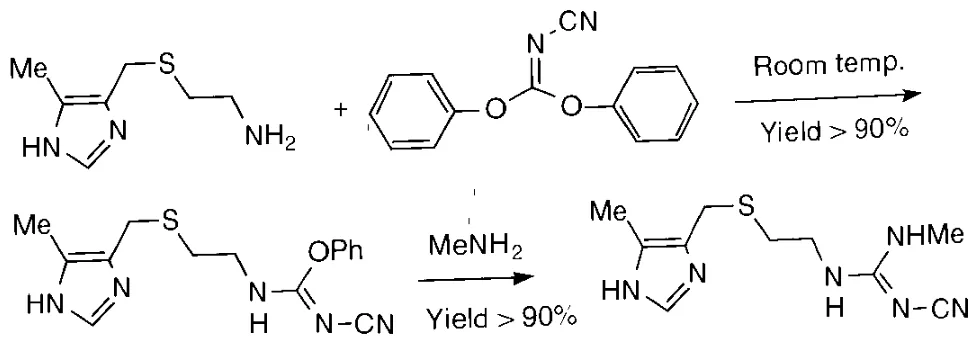
Scheme 39. Preparation of Cimetidine from diphenyl cyanocarbonimidate.
Scheme 40 shows some other examples of applications in heterocyclic chemistry (Ref. 35).
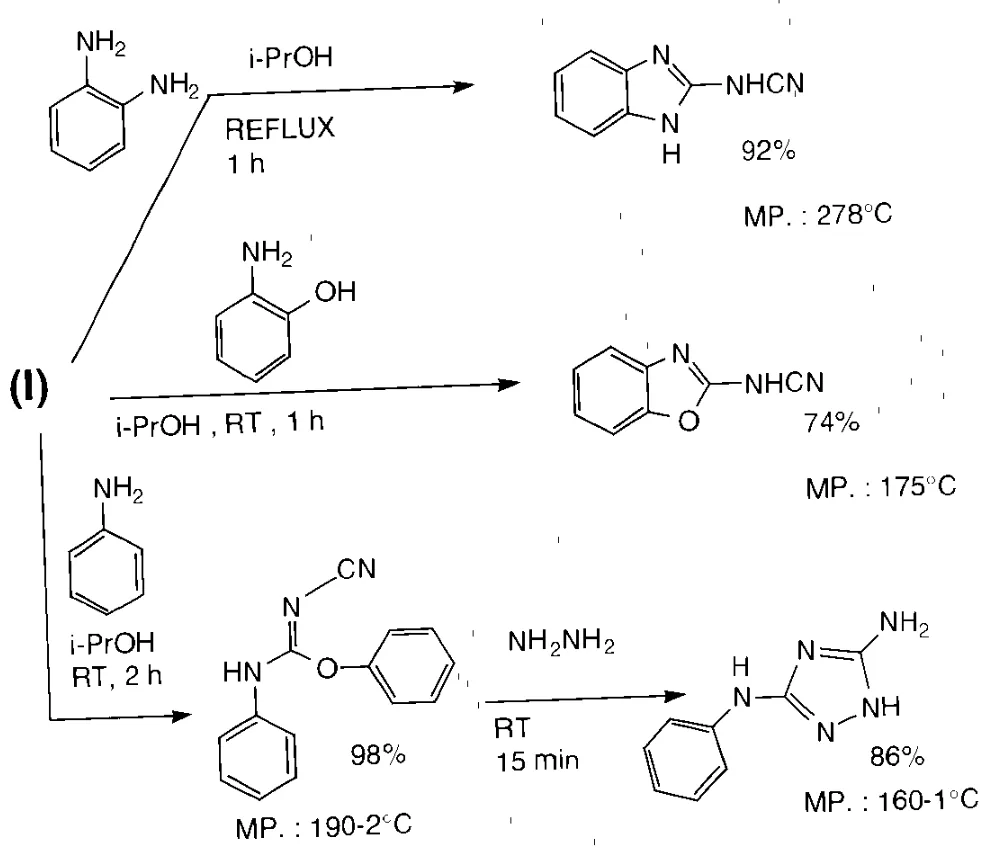
Scheme 40. Examples of diphenyl cyanocarbonimidate (I) applications.
The decarboxylation of aromatic carbonates substituted by electron withdrawing groups is an efficient method to get substituted diphenyl ethers. We found that pentaalkyl guanidines are superior catalysts for the synthesis of 4,4′-dinitrodiphenyl ether from 4,4′-dinitro diphenyl carbonate (Ref. 37). The generally accepted mechanism involves nucleophilic attack by the substituted guanidine at the carbonyl of the carbonate to form an acylated guanidinium phenoxide salt. In a second step, the p.nitro phenoxide anion attacks the aromatic ring of the acylated guanidinium cation (SNAr reaction) to lead to the expected ether after loss of CO2 [Scheme 41].
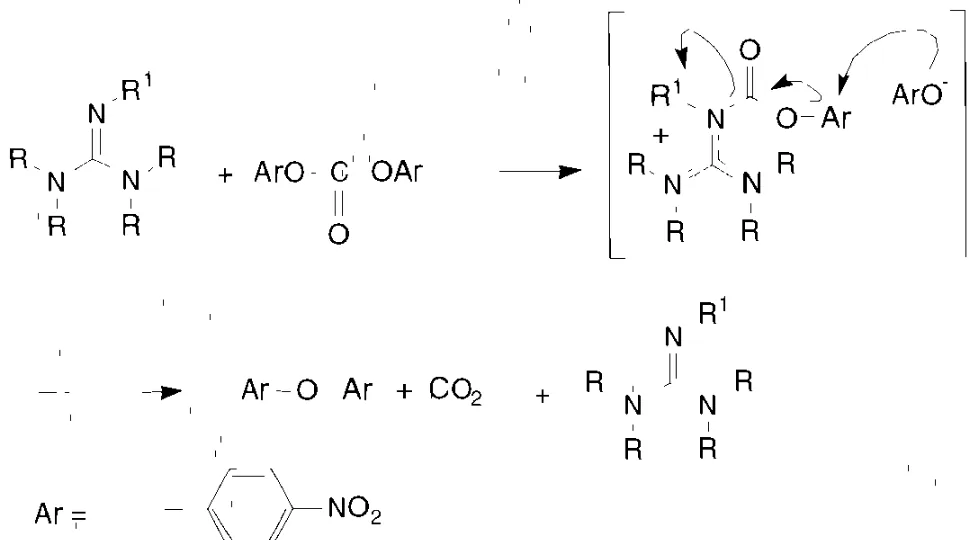
Scheme 41. Mechanism of the decarboxylation of 4,4′-dinitrodiphenyl carbonate catalyzed by pentaalkyl guanidines.
Nucleophilicity of the guanidine must be carefully controlled to avoid arylation of the catalyst itself. This could be easily accomplished through a proper choice of the substituents. Note also that delocalization of charge over the three nitrogens in the assumed intermediate guanidinium cation enhances the nucleophilicity of its counter anion, e.g. the p.nitro phenoxide anion.
With 2-methyl-1,1,3,3-tetrabutyl guanidine as catalyst, the decarboxylation proceeds at temperature lower than those described with conventional base catalysts. The result is even better compared with using 4-N,N-dimethylamino pyridine (DMAP) as shown in scheme 42.
4,4′-Dinitro diphenyl ether can be easily hydrogenated to 4,4′-diamino diphenyl ether especially suitable for the manufacture of polymers such as polyimides.
The required pentaalkyl guanidines were easily prepared through phosgenation of the appropriate urea to give the corresponding chloroformamidinium salt which reacts with an excess of amine to yield the expected guanidine (Ref. 37).
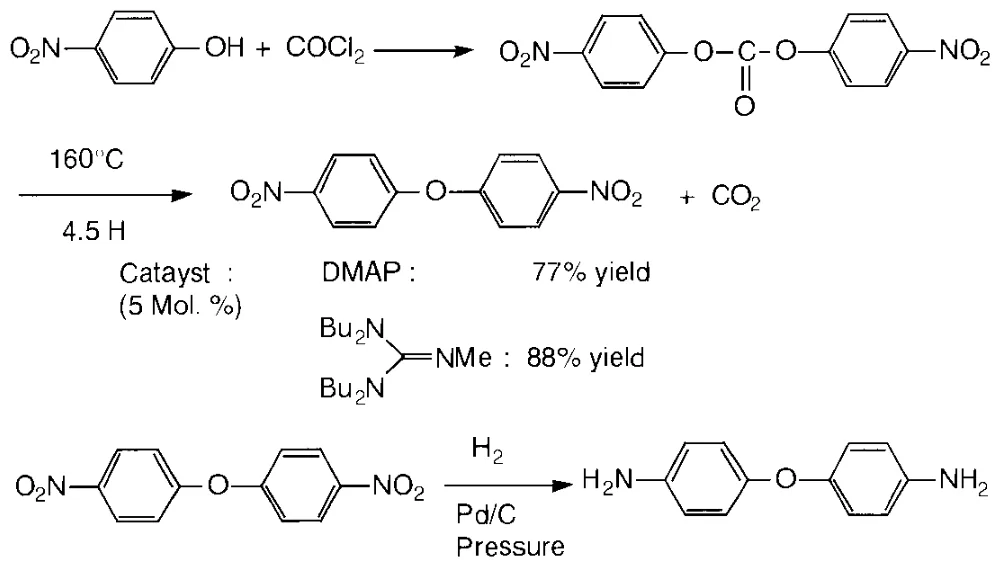
Scheme 42. Improved synthesis of 4,4′-dinitro diphenyl ether and 4-4′-diamino diphenyl ether.
One of the most convenient esterification methods developed earlier was based on the decarboxylation of unstable mixed carboxylic-carbonic anhydrides prepared by reaction of chloroformates with carboxylic acids (Ref. 38) according to scheme 43.
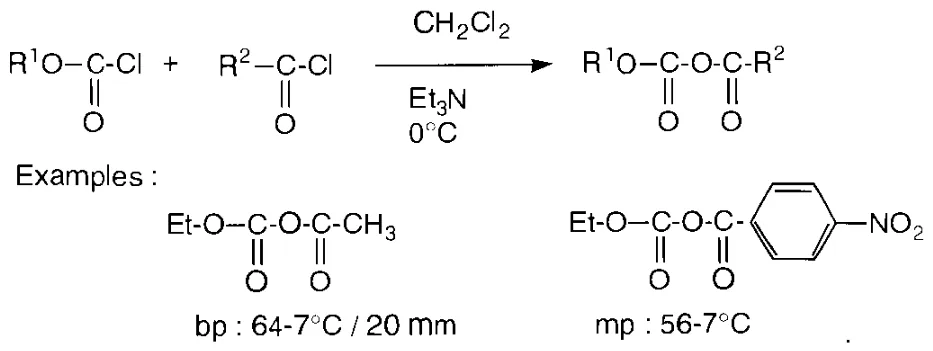
Scheme 43. Preparation of mixed carboxylic-carbonic anhydrides.
The course of the decomposition of the mixed anhydrides [Scheme 44] which leads to the formation of expected esters (path A) or to a mixture of symmetrical carbonates and anhydrides (path B) strongly depends on the structures of the chloroformate and the carboxylic acid but also on the choice of the catalyst.. Because selective production of esters if or is (in the editors’ view) of great interest, we have studied the thermal instability of the mixed anhydrides and developed a new efficient and selective esterification reaction with chloroformates using a silica supported guanidinium catalyst (Ref. 39). This method will be discussed in vol. 2 section 4-4.
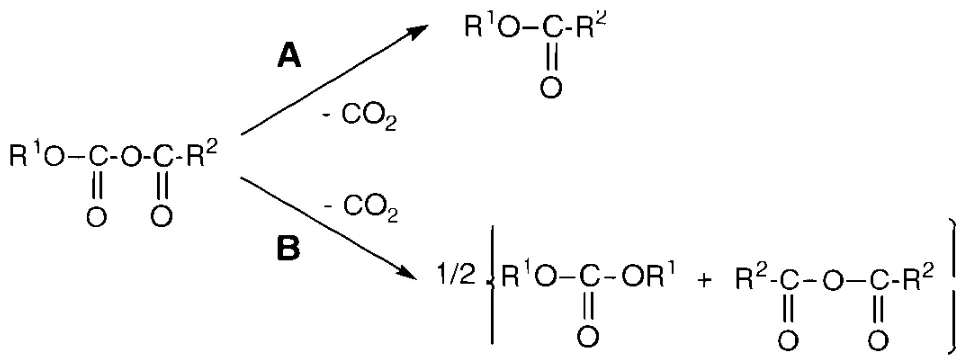
Scheme 44. Decomposition paths of mixed carboxylic-carbonic anhydrides.
The use of the mixed carboxylic-carbonic anhydrides is also a powerful method of carboxylic acids activation for the formation of amide bounds or bonds (in the editors’ view) in peptide chemistry (see vol. 2, section 4-4).
Reaction of chloroformates with sodium alkyl carbonates, easily available through reaction of carbon dioxide with sodium alkoxides, affords dicarbonates also called pyrocarbonates as shown in scheme 45.

Scheme 45. Preparation of dicarbonates from chloroformates.
Pyrocarbonates find useful applications in several fields, such as :
– Preservatives for wines, soft drinks, fruit juices, especially in the case of diethyl pyrocarbonate : R = R1 = Ethyl.
– Blowing agents for plastics, polyurethane foams as Freon® substitutes. For example, t.butyl methyl pyrocarbonate (R = methyl, R1 = t. butyl) was claimed as a foaming agent added during processing of polymers to achieve a cellular structure by liberation of carbon dioxide (Ref. 40).
– Protection of amino groups. Di-t.butyl dicarbonate called (Boc)2O (which is not made from the very unstable t.butyl chloroformate) is well known as the most popular reagent for the preparation of t.Boc protected amines, especially t.Boc-amino acids in peptide chemistry.
We reported the synthesis (data on table 3-3) and some applications of dibenzyl dicarbonate (Ref. 41) and diallyl dicarbonate (Ref. 42).
Table 3-3. Synthesis of new useful dicarbonates.
| Dicarbonate | Yield | mp or bp |
|---|---|---|
| Dibenzyl dicarbonate | 79 % | mp. 28 °C |
| Diallyl dicarbonate | 82 % (60 % distilled) | bp. 65 °C/0.05 Torr |
Dibenzyl dicarbonate offers some advantages in the preparation of N-benzyloxycarbonyl amino-acids, compared to the widely used benzyl chloroformate. For example, preparation of dipeptide-free N-benzyloxycarbonyl glycine is easily achieved under standard pH-stat conditions if the pH is carefully regulated.
Diallyl dicarbonate was used for the allyloxycarbonyl protection of amino compounds including amino acids, amino sugars and nucleosides. Except for the reaction with amino acids, the reagent does not require an additional base, and the only by-products, allyl alcohol and carbon dioxide are both volatile. For example, N-allyloxycarbonyl glucosamine was obtained analytically pure by simple evaporation of the reaction mixture.
These two reagents, Z2O and (Alloc)2O, conveniently supplement the known chloroformates for the protection of amines.
Cyanoformate esters may be prepared through reaction of alkyl chloroformates with cyanides salts by procedures using phase-transfer catalysis with 18-crown-6 (Ref. 43) or quaternary ammonium salts (Ref. 44) according to scheme 46.
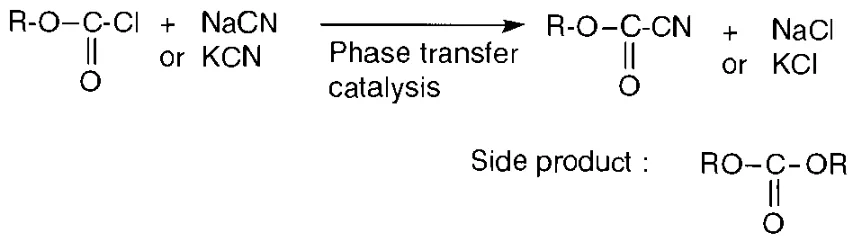
Scheme 46. Preparation of cyanoformate esters from chloroformates.
Although convenient for the preparation of small quantities of cyanoformate esters such as ethyl cyanoformate, we found the method to be unsatisfactory for the production on a larger scale because of the formation of carbonate esters reducing the yield.
In the course of our studies devoted to the scaling up of ethyl cyanoformate preparation, we noticed that the side reaction is strongly related to the nucleophilicity of the cyanide anion which depends on the structure of the counter cation of the catalyst. Quite good results can be achieved by a proper choice of the catalyst as depicted in scheme 47.
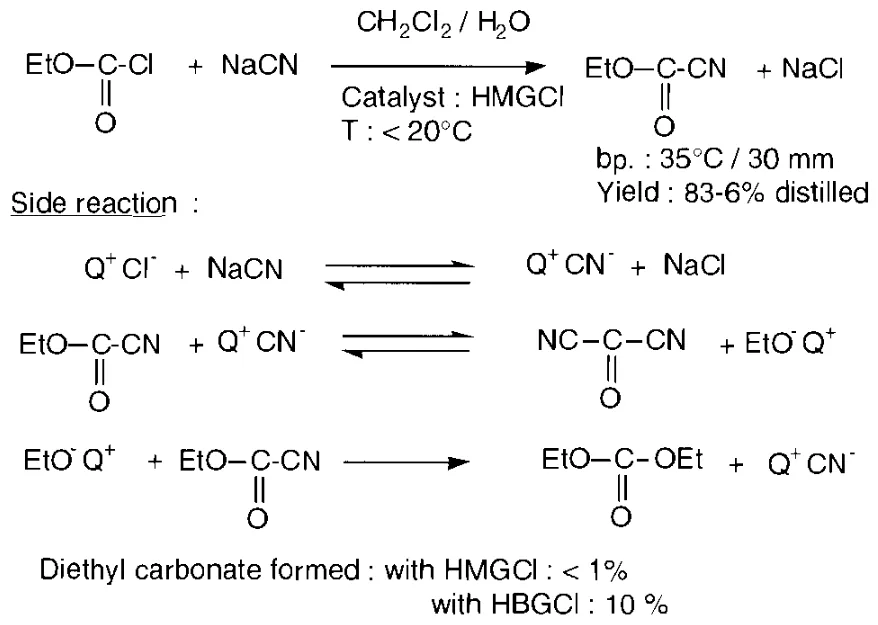
Scheme 47. Improved preparation of ethyl cyanoformate.
Ethyl cyanoformate is an effective dipolarophile undergoing 1,3-dipolar addition to azides, for example with ethyl azidoacetate to afford tetrazoleacetic acid derivatives (Ref. 45). Tetrazoleacetic acid is a key starting material for the preparation of pharmaceuticals such as the antibiotic « Cefazolin » [Scheme 48].
The chemistry of cyanoformate esters has been the subject of a recent review (Ref. 46).
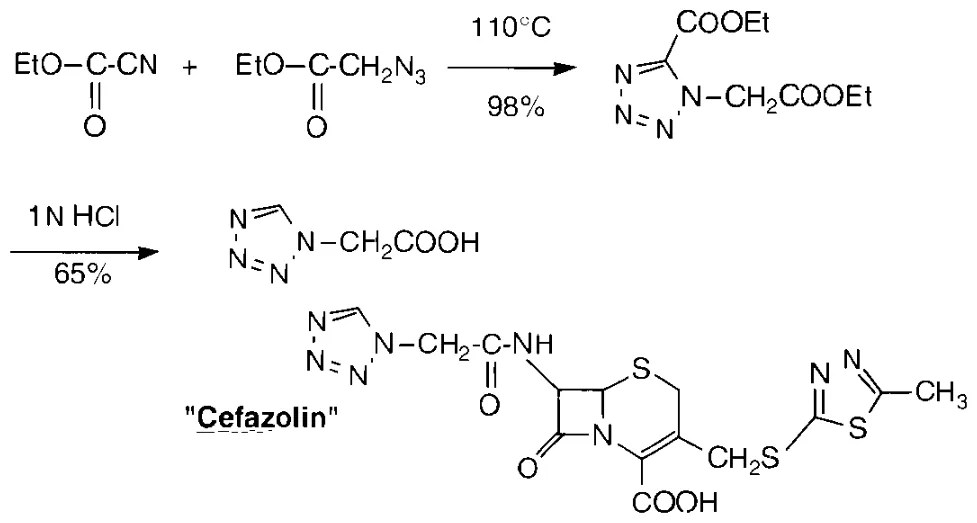
Scheme 48. Preparation and use of tetrazoleacetic acid starting from ethyl cyanoformate.