Jean-Pierre Senet - The Recent Advance in Phosgene Chemistry
In the course of several studies, we demonstrated that the Friedel-Crafts reaction of phosgene with aromatics depends critically on the purity of catalyst, the presence of water and on the ratio catalyst/substrate.
Generally, condensation of phosgene with aromatics in presence of Lewis acids affords benzophenones as the main products, unless a special mean is employed to remove the intermediate complex [Scheme 15] :
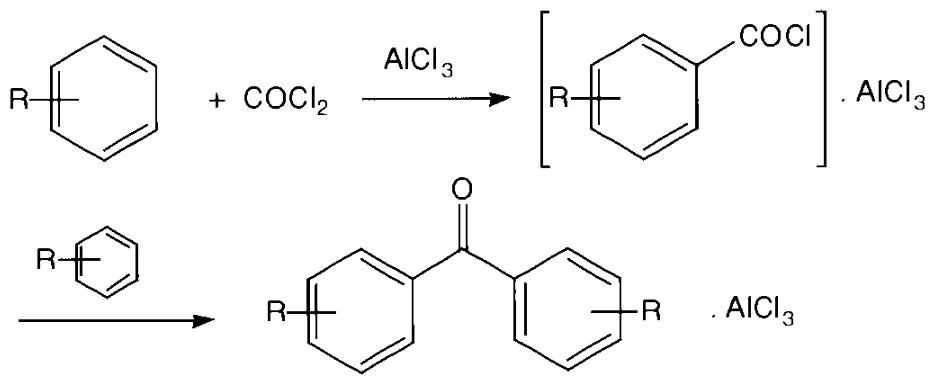
Scheme 15. Friedel-Crafts reaction of phosgene with aromatics.
Note that the adduct ketone/AlCl3 is much more stable than the adduct acid chloride/AlCl3.
For example, condensation of diphenyl ether with phosgene under Friedel-Crafts conditions gives 4,4′-diphenoxy benzophenone as the major product (Ref. 13). We developed an improved process which leads to a very pure product with low content of xanthone [Scheme 16] :
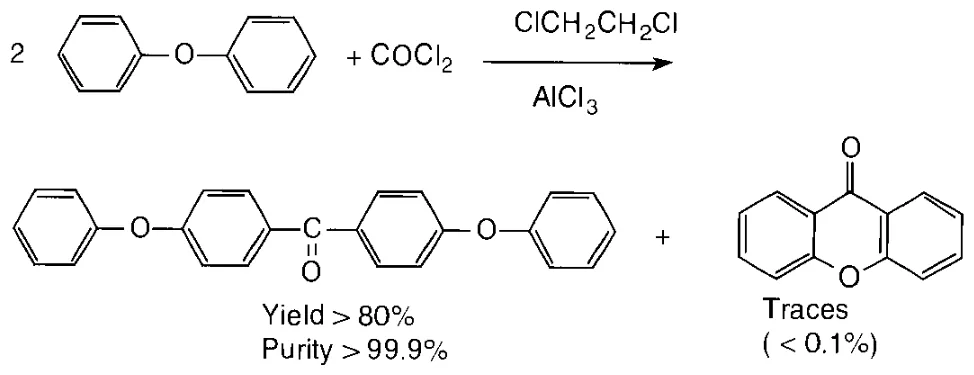
Scheme 16. Preparation of high purity 4,4′-diphenoxy benzophenone.
High purity 4,4′-diphenoxy benzophenone is a key starting material for the production of high molecular weight polymers. Thus, its polycondensation with terephtaloyl chloride in presence of Friedel-Crafts catalyst gives polyether-ether ketones (PEEK) with the structure depicted on scheme 17 :

Scheme 17. Structural unit of thermoplastic poly ether ether ketones.
Poly ether ether ketones are used as high performance engineering thermoplastics which offer an unique range of properties among them :
– continuous working temperature of 250°C ;
– high chemical resistance ;
– hydrolysis resistance on service of thousands of hours at temperature in excess of 250°C in steam under pressure ;
– easily processible.
Another example is the Friedel-Crafts phosgene reaction with o.xylene giving 3,3′,4,4′-tetramethylbenzophenone in high yield and free of isomers (Ref. 14). This substituted benzophenone is easily oxidized into benzophenone tetracarboxylic acid dianhydride (BTDA) widely used for the manufacture of polyimides [Scheme 18] :
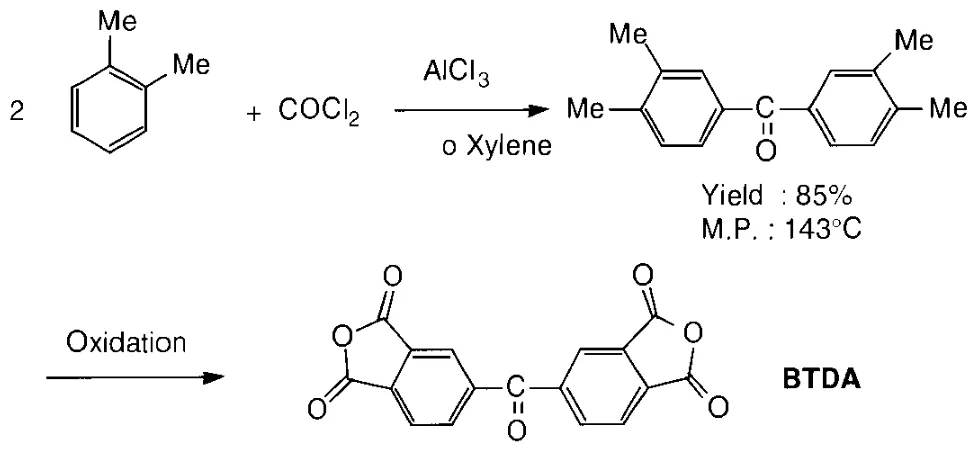
Scheme 18. Synthesis of benzophenone tetracarboxylic dianhydride.
Friedel-Crafts reaction of phosgene with heterocyclic aromatic compounds is also difficult to stop at the acid chloride stage. However, under selected conditions, heteroaromatics such as thiophene can be directly acylated to give thiophenecarbonyl chloride [Scheme 19] (Ref. 15) :
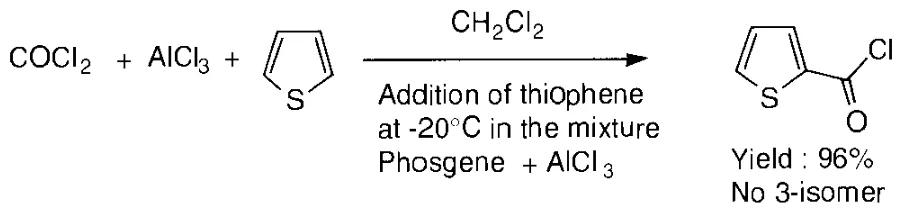
Scheme 19. Preparation of 2-thiophenecarbonyl chloride.
2-Thiophenecarbonyl chloride is used as intermediate in the synthesis of many pharmaceuticals. For example, its condensation with protected L-4-hydroxyproline followed by deprotection gives a product claimed as antiinflammatory and antidystrophic agent (Ref. 16).
Nucleophilic addition of vinyl ethers to phosgene is an efficient synthetic route to valuable 3-alkoxy and 3-phenoxy acryloyl chlorides. We studied an improved process based on literature data (Ref. 17) under special catalytic conditions [Scheme 20] :

Scheme 20. Phosgenation of vinyl ethers to give 3-alkoxyacryloyl chlorides.
E-3-alkoxyacryloyl chlorides are high potential intermediates in organic synthesis, especially for the preparation of various heterocycles, such as coumarins [Scheme 21] :
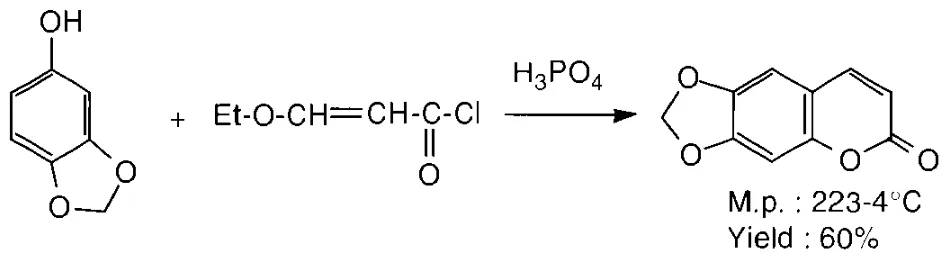
Scheme 21. Preparation of Ayapin using 3-ethoxyacryloyl chloride (Ref. 18).
or quinolines [Scheme 22] :
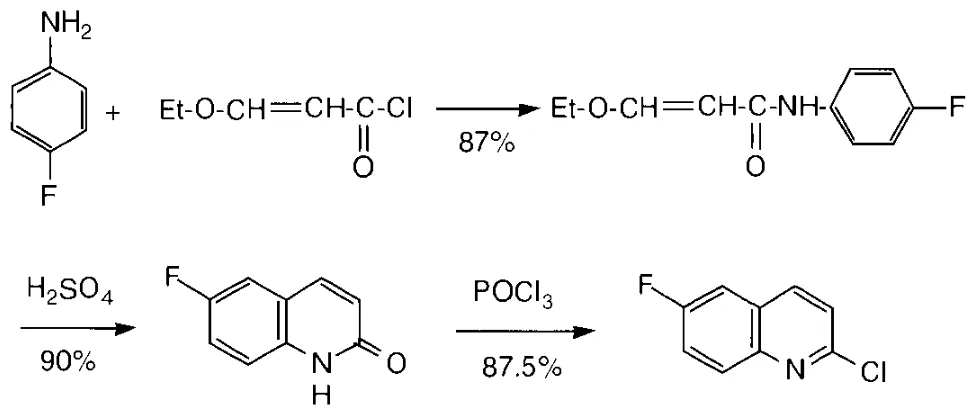
Scheme 22. Synthesis of quinoline derivatives, valuable intermediates for the preparation of herbicides (Ref. 19).
Another valuable application of 3-alkoxyacryloyl chlorides is the preparation of N-alkoxyacryloyl carbamates according to an original process developed at SNPE Group [Scheme 23] :
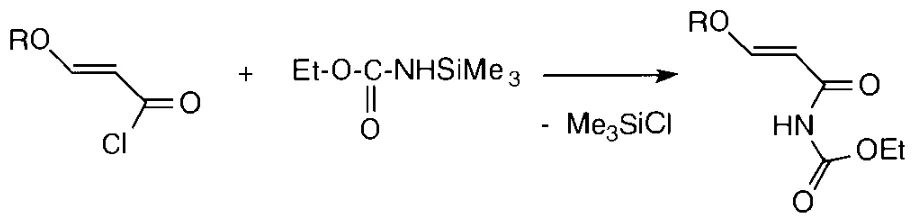
Scheme 23. Preparation of Ethyl N-alkoxyacryloyl carbamate.
N-alkoxyacryloyl carbamates offer an interesting option to avoid the use of toxic and expensive alkoxyacryloyl isocyanates in the synthesis of uracil derivatives with antiviral activity [Scheme 24] :
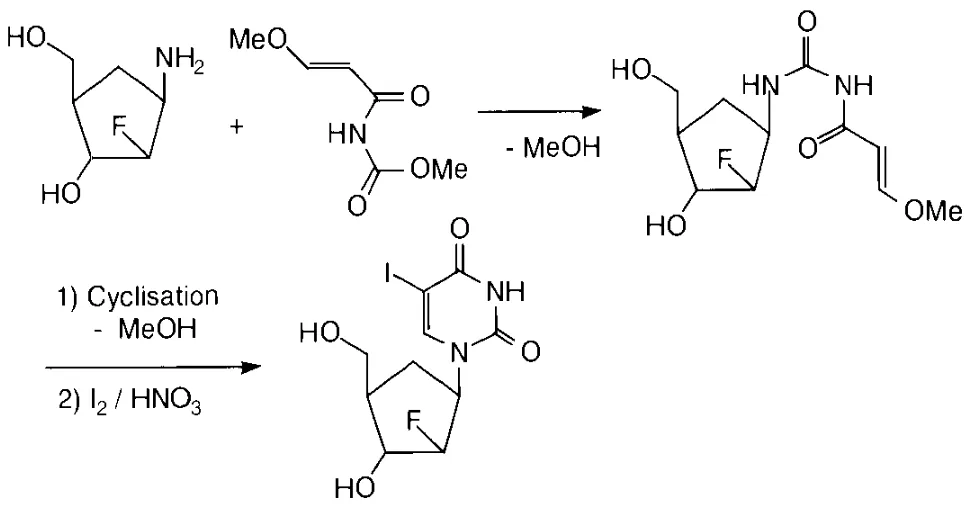
Scheme 24. Preparation of uracil derivatives as antivirals (Ref. 20).